
Rehabs for Parenting Challenges

Showing 20 of 64 Results (filtered)
Featured Rehab Centers


1411 W County Line Rd, Suite 1411A, Greenwood, IN 46142

91 West Mound Street, Nashville, IN 47448



Addiction Rehab Centers - ARC At Bayside | Indianapolis Drug & Alcohol Rehab
Indianapolis, Indiana
5929 Lakeside Blvd, Indianapolis, IN 46278
Get Personalized Rehab Matches in 60 Seconds
Tell us a few details and we’ll show a personalized shortlist of verified Indiana rehabs, making it simple to compare options and choose your next step with confidence.
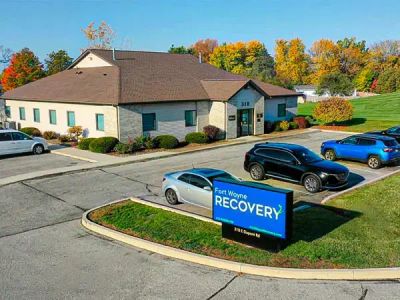

Fort Wayne Recovery
Fort Wayne, Indiana
310 E Dupont Rd, Fort Wayne, IN 46825

Hamilton Center Inc: Mathew Maleakal S MD
Terre Haute, Indiana
620 8th Ave, Terre Haute, IN 47804




La Verna Lodge
Westfield, Indiana
1550 East 156th Street, Westfield, IN, 46074



NorthShore Health Frontline Foundations
Chesterton, Indiana
801 Broadway Ave, Chesterton, IN 46304



Addiction Rehab Centers - ARC | Drug & Alcohol Rehab - Addiction Treatment in Indianapolis, IN
Indianapolis, Indiana
7322 Noel Rd, Indianapolis, IN 46278



Evolve Indy
Indianapolis, Indiana
8770 Guion Rd, Indianapolis, IN, 46268


SperoHealth - Indianapolis
Indianapolis, Indiana
8202 Clearvista Parkway, Indianapolis, IN, 46256



CleanSlate Outpatient Addiction Medicine
Muncie, Indiana
124 E Main St, Muncie, IN 47305



Turning Point SOC
Kokomo, Indiana
1234 N Courtland Ave, Kokomo, IN 46901


Centerstone Recovery Transitional Housing
Lexington, Indiana
2520 Parker Ln, Lexington, IN 47138



First City Recovery Center
Kokomo, Indiana
317 W Jefferson St, Kokomo, IN, 46901



CleanSlate Outpatient Addiction Medicine
Evansville, Indiana
4411 Washington Ave #105, Evansville, IN 47715



Parkdale Center
Chesterton, Indiana
350 Indian Boundary Rd., Chesterton, IN, 46304



The Gilead House
Indianapolis, Indiana
406 East Sycamore Street, Indianapolis, IN, 46901

Woodview Psychology Group
Indianapolis, Indiana
70 E 91st Street Suite 210, Indianapolis, IN, 46240

Centerstone - Madison
Madison, Indiana
3008 North Bevcher Street, Madison, IN 47250
Why Trust Indiana Rehabs
As Hoosiers helping Hoosiers, we understand the unique challenges our communities face. Our team meticulously verifies every Indiana treatment center, ensuring you find trusted, local care that truly understands your journey.
About our listingsLevels of Care
Explore popular treatment options by levels of care, from flexible treatment in Outpatient centers to intensive care in Residential rehabs.
Free · 24/7 · Confidential
Talk to a Treatment Specialist
Call now to get matched with Indiana facilities that accept your insurance.
(888) 568-9930
Free
Ins. check
4.9★
Rating
HIPAA
Protected
Can't travel to a facility?
Licensed Indiana therapists via secure video — same-week appointments, evenings & weekends available.
Do you ever feel like you're just guessing when it comes to parenting, hoping each choice leads your family in the right direction? Raising kids is equal parts wonder and worry, and it’s easy to feel both proud and totally unsure all at once. If you’ve ever wished for a little more confidence or clarity as you navigate the daily ups and downs, you’re not alone. The truth is, seeking guidance through parenting counseling can be a powerful way to gather new tools and build an even stronger, more connected family, one step at a time.

What Is Parent Counseling? Navigating Family Conflict
If you've ever thought, “Am I doing this right?” when it comes to parenting, you’re in good company. That question is a sign that you care deeply, and parenting counseling is a way to honor that care. It’s not about admitting failure; it’s about choosing to build more skills. Think of it as a collaborative support system where a professional provides tools, strategies, and a neutral space for parents to navigate challenges. The goal is to improve communication, manage conflicts, and strengthen the overall family dynamic. Counseling can address everything from co-parenting disagreements to helping a child with behavioral issues, giving your family a path forward. Many treatment facilities in Indiana offer services that involve family members, recognizing that support at home is key to well-being[1]. If you're struggling with family conflict, you'll find that counseling can provide a structured, safe environment to work through these issues.
There Are Many Reasons Parents Seek Counseling
Every family’s journey is unique, and so are the reasons for seeking support. Stress can come from many places, and it often affects family dynamics. Parents and co-parents turn to counseling for guidance on a wide range of issues. Some common challenges include:
- Navigating the complexities of co-parenting after a separation or divorce.
- Learning effective strategies to support children with a new diagnosis, such as ADHD or ODD.
- Addressing behavioral issues in teenagers, from defiance to disengagement.
- Finding harmony while blending families and managing step-parenting roles.
- Breaking cycles of poor communication and constant arguments.
- Coping with major life changes, like a move, loss, or job change, that impact the children.
Benefits of Healthy Co-Parenting
For parents who are no longer together, creating a united front is one of the greatest gifts you can give your child. Healthy co-parenting is all about providing stability and consistency, which are crucial for a child's well-being. When co-parents communicate effectively and reduce conflict, children feel more secure. Counseling helps you and your co-parent get on the same page. It fosters a peaceful and predictable environment by creating shared rules, discipline strategies, and schedules. This consistency between households minimizes confusion and stress for your child, allowing them to thrive emotionally and developmentally.
What to Expect In Parenting Counseling Sessions
Your first session is mostly a conversation. You’ll meet with a counselor to discuss your family’s history, current challenges, and what you hope to achieve. This initial meeting is about building a trusting relationship and setting clear goals for your therapy process. Depending on your situation, sessions might be for you alone, with a partner, or with the entire family. In Indiana, there are specific guidelines for when minors can consent to their own therapy, which your counselor can explain[2]. Perhaps the most important teaching in parent counseling isn’t a single piece of advice, but rather a new approach. The process itself teaches you a framework for listening, understanding, and solving problems together in a healthier way.
Strengthening Co-Parenting Through Effective Strategies
Parenting counseling moves beyond just talking about problems; it’s about building practical, tangible skills that you can use every day. So, what skills can be learned in parent therapy? You’ll focus on powerful strategies for better communication, conflict resolution, and managing your own emotions during stressful moments. This helps strengthen your co-parenting relationship and provides clear solutions for your family. By using evidence-based therapeutic models, counselors can offer structured guidance to help you make meaningful changes. These programs are designed to provide families with the tools they need for long-term success[3]. For instance, techniques like caregiver coaching and behavior management are often a core part of the process[4].

Foundations of Effective Communication
Clear and respectful communication is the bedrock of a healthy family. In counseling, you’ll learn specific techniques to turn frustrating conflicts into productive discussions. Here are a couple of key skills you'll practice:
- Active Listening: This means you’re listening to understand, not just to respond. It involves putting away distractions, making eye contact, and summarizing what you heard to make sure you got it right. Instead of planning your comeback, you’re truly hearing your partner’s or child’s perspective.
- Using "I" Statements: This simple shift in language can de-escalate conflicts immediately. Instead of saying, “You always make a mess,” you might say, “I feel stressed when the kitchen is messy.” "I" statements focus on your feelings and needs without placing blame, which invites cooperation instead of defensiveness.
Therapeutic Approaches and Strategies
Counselors use several evidence-based therapeutic approaches to help families. You don't need to be an expert on them, but it’s helpful to know the ideas behind them. Two common strategies are Family Systems Therapy and Solution-Focused Brief Therapy (SFBT). Family Systems Therapy views the family as an interconnected unit, where one person’s actions affect everyone else. The goal is to improve the entire system, not just "fix" one person. SFBT is a goal-oriented approach that focuses on what you want to achieve rather than dwelling on the past. It helps you identify your strengths and find practical solutions quickly.
What are the different parenting styles?
Understanding parenting styles can be a helpful tool for self-reflection. Most experts point to four main types, each with a different approach to expectations, discipline, and warmth. Seeing where you naturally fall can help you identify areas for growth. Remember, this isn’t about judgment, but about understanding.
| Parenting Style | Key Characteristics | Typical Child Outcomes |
|---|---|---|
| Authoritative | High expectations, clear boundaries, warm, responsive, and supportive. Values independence. | Happy, capable, and successful. Good at decision-making. |
| Authoritarian | High expectations, strict rules, and little warmth or feedback. "Because I said so" approach. | Obedient and proficient, but may have lower self-esteem, happiness, and social competence. |
| Permissive | Few rules or expectations. Very warm and nurturing, often more like a friend than a parent. | Tend to struggle with self-regulation and may have problems with authority. Often have high self-esteem. |
| Uninvolved | Few demands, low responsiveness, and little communication. Often detached from their child's life. | Rank lowest across all life domains. Lack self-control and may have low self-esteem. |
How can you support your child's mental health?
Your parenting skills have a direct impact on your child's well-being and mental health. Creating a supportive environment where your child feels safe to express their emotions is fundamental. You can do this by modeling healthy ways to cope with stress and validating their feelings, even if you don’t fully understand them. Saying, "I can see you're really sad about that," goes a long way. It's also important to recognize when your child might need professional help for mental health issues. Counseling can give you the tools to know what signs to look for and how to take the next step, ensuring your child gets the support they need to flourish.
Helping Families Reconnect
Ultimately, parenting counseling is a proactive and positive step toward building a healthier, more connected family. It offers guidance and support tailored to your unique needs, helping you and your loved ones reconnect and find a more peaceful way forward. Choosing to seek help is a sign of your strength and deep commitment to your family’s well-being. Whether you need help with Medicaid waivers to pay for services or just want to find a provider, there are resources available. For example, you can use the Indiana's official treatment finder to locate licensed professionals. You don't have to navigate these challenges alone; support is available to help your family thrive.
Every family deserves to feel connected and understood. If you’re ready to build stronger bonds and find more joy in your parenting journey, help is just a phone call away. The team at Indiana Rehabs is here to listen and guide you toward the right support for your family. Reach out to us at (888) 568-9930 or get in touch through our contact page to take the first step toward a more peaceful home.
Frequently Asked Questions About Parenting Counseling in Indiana
Can you go to therapy for parenting?
How do you know if you need parent coaching?
Is parent counseling effective?
What is the goal of parent counseling?
How much does parent counseling cost?
- Substance Abuse and Mental Health Services Administration. (2020). National Survey of Substance Abuse Treatment Services (N-SSATS), 2020: Data on Substance Abuse Treatment Facilities. Substance Abuse and Mental Health Services Administration. samhsa.gov
- National Center for Youth Law. (2024). Indiana: Minor Consent and Confidentiality. National Center for Youth Law. youthlaw.org
- Indiana Code. (2010). Title 12, Article 21, Chapter 5: Service Programs for Persons with Mental Illness. Justia. law.justia.com
- Indiana Health Coverage Programs. (11-29-2022). IHCP bulletin BT2022107: Caregiver Coaching and Behavior Management. Indiana Health Coverage Programs. in.gov