Rehabs for Weight Management

Showing 20 of 37 Results (filtered)
Featured Rehab Centers

1525 West Harrison street, Plymouth, IN 46563



Addiction Rehab Centers - ARC At Bayside | Indianapolis Drug & Alcohol Rehab
Indianapolis, Indiana
5929 Lakeside Blvd, Indianapolis, IN 46278

Hamilton Center Inc: Mathew Maleakal S MD
Terre Haute, Indiana
620 8th Ave, Terre Haute, IN 47804
Get Personalized Rehab Matches in 60 Seconds
Tell us a few details and we’ll show a personalized shortlist of verified Indiana rehabs, making it simple to compare options and choose your next step with confidence.
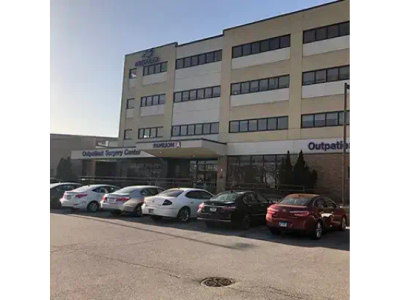

Methodist Hospitals Rehab Center
Merrillville, Indiana
101 E 87th Avenue Pavilion A, Third Floor, Merrillville, IN 46410
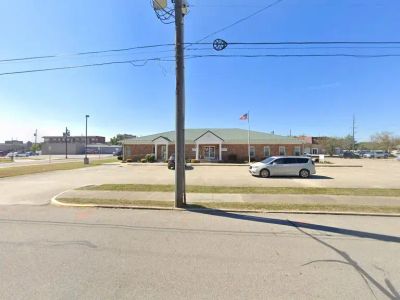

Samaritan Center - Vincennes
Vincennes, Indiana
121 Buntin Street, Vincennes, IN 47591



Boca Recovery Center - Fort Wayne, Indiana
Fort Wayne, Indiana
111 W Berry St #211, Fort Wayne, IN 46802



Evolve Indy
Indianapolis, Indiana
8770 Guion Rd, Indianapolis, IN, 46268

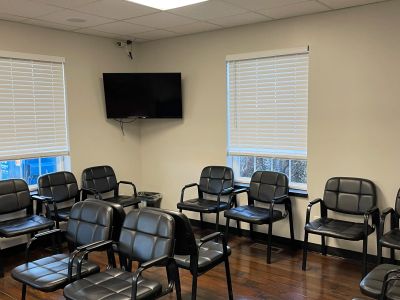
Dr. Malek’s Office – Primary Care, Senior Care & Mental Health
Evansville, Indiana
4972 Lincoln Ave #101, Evansville, IN 47715


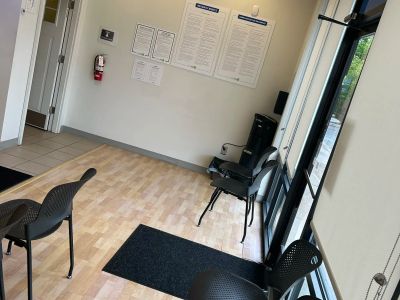
CleanSlate Outpatient Addiction Medicine
Greencastle, Indiana
833 Indianapolis Rd Suite E, Greencastle, IN 46135



CleanSlate Outpatient Addiction Medicine Merrillville
Merrillville, Indiana
8601 Connecticut St, Merrillville, IN 46410
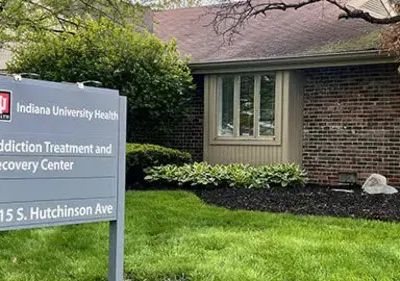


IU Health Ball Addiction Treatment & Recovery Center
Muncie, Indiana
215 S Hutchinson Ave, Muncie, IN 47303



Kentuckiana Integrative Medicine
Jeffersonville, Indiana
405 E Court Ave #102, Jeffersonville, IN 47130

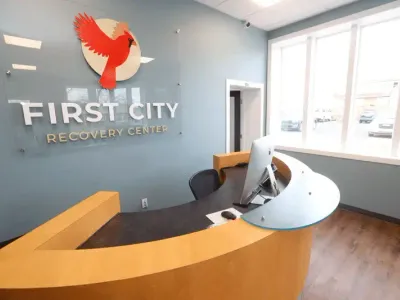

First City Recovery Center
Kokomo, Indiana
317 W Jefferson St, Kokomo, IN, 46901
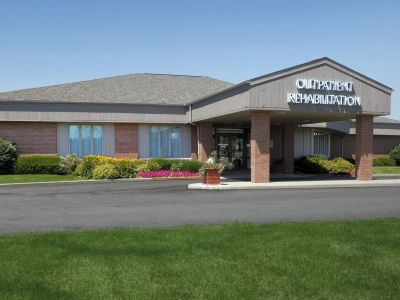
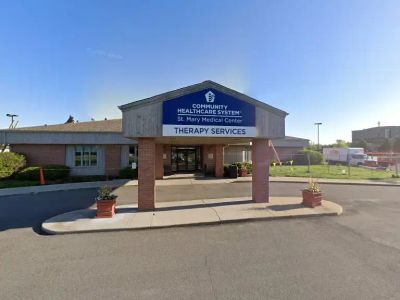
Outpatient Rehabilitation of St Mary Medical Center
Hobart, Indiana
320 W 61st Ave, Hobart, IN 46342
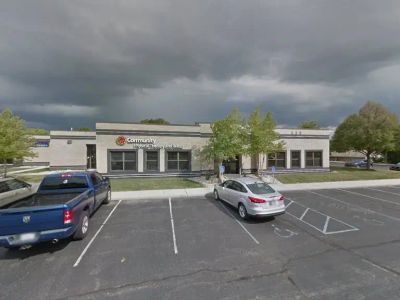
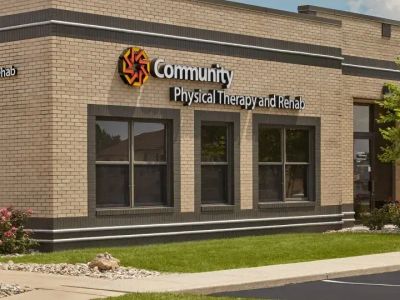
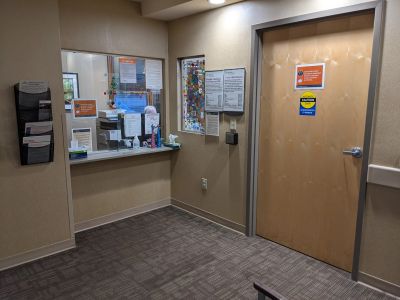
Physical Therapy & Rehab - Emerson Way
Greenwood, Indiana
225 S Emerson Ave Ste 100, Greenwood, IN 46143
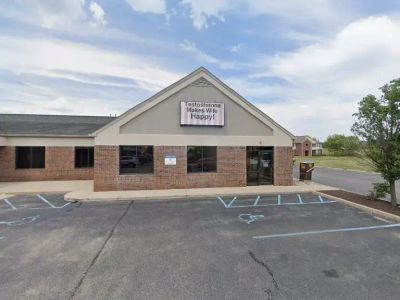


Innovative Medicine
Lafayette, Indiana
3554 Promenade Parkway Suite H, Lafayette, IN 47909



Parkdale Center
Chesterton, Indiana
350 Indian Boundary Rd., Chesterton, IN, 46304


Centerstone Recovery Center
Richmond, Indiana
1811 S 9th St, Richmond, IN 47374



Community Health Network - The Hendricks County
Plainfield, Indiana
6100 Clarks Creek Road, Plainfield, IN, 46168
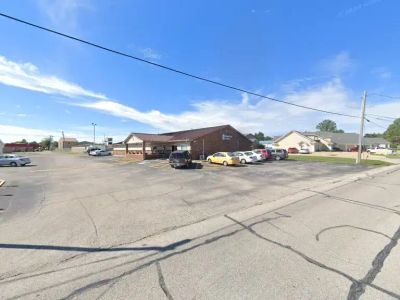

Good Samaritan Hospital - Washington
Washington, Indiana
2007 state street, Washington, IN, 47501
Why Trust Indiana Rehabs
As Hoosiers helping Hoosiers, we understand the unique challenges our communities face. Our team meticulously verifies every Indiana treatment center, ensuring you find trusted, local care that truly understands your journey.
About our listingsLevels of Care
Explore popular treatment options by levels of care, from flexible treatment in Outpatient centers to intensive care in Residential rehabs.
Free · 24/7 · Confidential
Talk to a Treatment Specialist
Call now to get matched with Indiana facilities that accept your insurance.
(888) 568-9930
Free
Ins. check
4.9★
Rating
HIPAA
Protected
Can't travel to a facility?
Licensed Indiana therapists via secure video — same-week appointments, evenings & weekends available.
Have you ever felt like managing your weight is a battle you’re fighting on your own, day after day? In Indiana, where rates of obesity and diabetes are higher than the national average, it’s easy to feel overwhelmed or isolated by the struggle. But you’re not alone, and the weight you carry, physically and emotionally, isn’t a sign of weakness. The truth is, weight management is a complex journey, and with the right support from compassionate professionals, there’s a sustainable way to reclaim your health and sense of self.
Introduction
When you hear the term “weight management counseling,” it’s easy to picture strict diets and intense workout regimens. But it’s so much more than that. This is a supportive, evidence-based health service designed to help you understand the complex factors influencing your weight and build sustainable, healthy habits for life. It’s not about quick fixes; it’s about creating lasting change with a compassionate expert by your side.
Managing your weight is a real medical issue, not a matter of willpower. It’s influenced by a mix of genetics, your environment, and even your mental health.[1] For many patients, conditions like obesity can increase the risks of other serious health problems, including type 2 diabetes and heart disease.[2] The journey can feel frustrating, but professional weight management counseling helps you navigate these challenges without judgment. Throughout Indiana, there are caring experts and proven programs ready to support you, and this guide will walk you through them.
Medical Nutrition Therapy for Weight Loss
One of the most effective paths to sustainable weight loss is Medical nutrition therapy, or MNT. Think of it as a roadmap for your health, created just for you. MNT is a personalized treatment plan developed in partnership with a registered dietitian. This isn't about a one-size-fits-all diet; it's a therapeutic approach that considers your unique health profile, lifestyle, and goals.
The process starts with a comprehensive assessment of your eating habits, medical history, and any health conditions you may have, such as diabetes or high blood pressure. From there, a dietitian works with you to create a tailored nutrition plan that feels manageable and nourishing. They become your partner, helping you build healthy, long-term habits instead of just handing you a list of foods to avoid.[3] This supportive relationship is key to making changes that stick, empowering you to take control of your health one step at a time.

What happens during medical nutrition therapy for weight loss?
Stepping into your first MNT session can feel like a big step, but knowing what to expect can make it easier. Your journey with a registered dietitian is a collaborative process focused on your success. Here’s what it typically looks like:
- Initial Appointment: Your first visit is all about getting to know you. It usually lasts about an hour. You’ll discuss your eating habits, review your health history, and talk about your lifestyle. You might be asked to keep a food diary beforehand to give your dietitian a clear picture of your current nutrition.
- Setting Goals Together: This is where you and your dietitian become a team. You’ll work together to set realistic and achievable goals for your health and weight. It’s a judgment-free zone where your hopes and challenges are heard.
- Creating Your Plan: Based on your conversation, your dietitian will develop a personalized nutrition plan. This isn't just a diet; it’s a guide to help you make healthier choices that fit into your life. The focus is on balance and sustainability, not deprivation.
- Ongoing Support: Change takes time, and you won’t be on your own. You’ll have follow-up visits to track your progress, celebrate your wins, and make any necessary adjustments to your plan. These check-ins provide the encouragement and accountability needed for long-term success with nutrition therapy.
What are the risks of medical nutrition therapy for weight loss?
When it comes to Medical nutrition therapy, the good news is that it’s incredibly safe when guided by a qualified professional. The primary "risks" are not related to the treatment itself but to the personal challenges that come with changing long-standing habits. It can be tough to adjust your routine, and you might feel discouraged at times. That’s completely normal, and it’s why having the support of a registered dietitian is so important.
The only real danger comes from seeking advice from someone who isn’t qualified. A registered dietitian has the training and credentials to provide safe, evidence-based guidance tailored to your specific health needs. They ensure your nutrition plan supports your overall well-being and doesn’t create new health problems. So, the most important step you can take is to make sure your treatment is with a certified professional.
Intensive Behavioral Therapy for Obesity
While nutrition is a huge piece of the puzzle, our behaviors and thought patterns around food also play a critical role. That’s where Intensive Behavioral Therapy (IBT) comes in. IBT is a structured treatment program that focuses on helping you change the eating and physical activity habits that are holding you back. It’s a hands-on approach that empowers you to understand your relationship with food and build healthier coping strategies.
In IBT, you’ll work with a provider to identify the specific situations or feelings that trigger overeating or unhealthy choices. Instead of just focusing on what you eat, you’ll explore why you eat. This therapy is often delivered by a multidisciplinary team that may include your doctor, a therapist, and a dietitian, all working together to support you. The goal is to make gradual, lasting changes. Research shows that even a modest weight loss of 5% to 10% of your total body weight can lead to significant health benefits, like lower blood pressure and reduced risk of diabetes.[4] IBT provides the tools and support to help you achieve and maintain that success.

Self-monitoring
One of the core components of Intensive Behavioral Therapy is self-monitoring. This is simply the practice of paying closer attention to your habits to gain insight into your own behavior. It often involves keeping a food and activity diary where you track what you eat, how much you move, and even how you’re feeling at the time. This isn’t about judging yourself or striving for perfection. Instead, self-monitoring is a powerful tool for awareness.
By writing things down, you and your therapist can start to see patterns you might have never noticed before. Maybe you realize you tend to snack when you’re stressed or bored. Or perhaps you discover you’re more likely to skip a walk on days you don’t sleep well. This information is invaluable because it helps you and your care team pinpoint the exact areas to focus on. It transforms the vague goal of "eating healthier" into a concrete plan tailored to your life, making it easier to track your progress and celebrate small victories along the way. Many people find that cognitive behavioral therapy techniques like this help reframe their thinking.
Screening for depression
Your mental and emotional health are deeply connected to your physical well-being, and weight management is no exception. That’s why Intensive Behavioral Therapy often includes a screening for depression and other mood disorders. Our feelings can have a huge impact on our eating behaviors and our motivation to exercise. When you’re dealing with stress, anxiety, or sadness, it can be much harder to stay on track with your health goals.
This screening is part of a holistic approach that recognizes you as a whole person. If a condition like depression is identified, your therapist can ensure you get the right support. Treating underlying mental health challenges can be one of the most important steps toward achieving sustainable weight loss. It’s about making sure every aspect of your well-being is cared for, so you have the strength and resilience to succeed on your journey.
Coverage details
Thinking about the cost of care can be stressful, but the good news is that many insurance plans cover weight management counseling. Because obesity is recognized as a medical condition with significant health impacts, counseling is often considered a preventive service. This means your plan may cover it to help you avoid more serious health issues down the road.[5]
For many people, this coverage is quite comprehensive. If your Body Mass Index (BMI) is 30 or higher, many private and commercial insurance plans offer preventive care benefits that include nutrition counseling, sometimes with 100% coverage and no deductible.[6] However, every plan is different. The best way to understand your specific benefits is to call your insurance provider directly. Ask them about your coverage for "medical nutrition therapy" or "intensive behavioral therapy for obesity" to get clear answers about your costs.
Your costs in Original Medicare
If you have Original Medicare, you also have coverage for weight management support. Medicare Part B covers intensive behavioral therapy for obesity if you have a BMI of 30 or more. This is great news for many seniors looking to improve their health. The coverage is designed to give you consistent, professional support to help you achieve your weight loss goals.
Here’s how it generally works: Medicare covers an initial obesity screening and a certain number of face-to-face counseling sessions per year.[7] These sessions must be with a qualified primary care provider in a doctor’s office or clinic. If your provider accepts assignment, you pay nothing for these services. There is no copay or deductible. To confirm your eligibility and find a participating provider, it's a good idea to discuss it with your doctor or review your insurance plan details.
Enhancing Healthcare Team Outcomes
The most important thing to remember is that you don’t have to do this alone. Successful, long-term weight management is a journey, not a destination, and it works best as a collaborative process. Think of it as building your own personal healthcare team, with you at the center.[8] Seeking professional help is a powerful, proactive step toward reclaiming your health and vitality.
A great first step is to talk to your primary care doctor. They can assess your overall health, discuss your goals, and provide referrals to a registered dietitian or a therapist specializing in behavioral change. They can help you connect with the right resources here in Indiana, like those offered through Health First Indiana. This team-based approach ensures that your physical and emotional needs are met, giving you the best possible chance for long-term success. Taking that first step to ask for support is the beginning of a positive new chapter.
Embarking on a journey to manage your weight is a courageous step toward a healthier, more fulfilling life. It’s about more than numbers on a scale; it’s about gaining energy, confidence, and control over your well-being. Remember that lasting change comes from consistent support and compassionate care, not quick fixes. You have the strength to do this, and you don’t have to do it alone. If you’re ready to explore your options and find the right support team in Indiana, our specialists are here to help. Call us at (888) 568-9930 or verify your insurance coverage through our online tool. The team at Indiana Rehabs is ready to help you take the next step.
Frequently Asked Questions About Weight Management Counseling in Indiana
What is the difference between Medical Nutrition Therapy and Intensive Behavioral Therapy?
Do I need a doctor's referral to see a weight management counselor in Indiana?
What makes weight management counseling different from just going on a diet?
Can counseling help if I have other health conditions like diabetes?
How do I find a qualified weight management counselor in Indiana?
What if I feel embarrassed or ashamed to talk about my weight?
- Rural Health Information Hub. (2025). Rural obesity and weight control overview. Rural Health Information Hub. ruralhealthinfo.org
- National Center for Biotechnology Information. (2024). Pharmacologic treatment of overweight and obesity in adults. National Institutes of Health. ncbi.nlm.nih.gov
- Crooks-Posey, R. A., et al. (2018). Weight management in Rural Health Clinics: The Midwest Diet and Exercise Trial. Contemporary Clinical Trials. pmc.ncbi.nlm.nih.gov
- Lagari, V. et al. (2024). An algorithm for the use of anti-obesity medications. npj Obesity. nature.com
- HealthCare.gov. (03-23-2010). Find out what Marketplace health insurance plans cover. HealthCare.gov. healthcare.gov
- George Washington University. (2024). Medicaid obesity treatment coverage 2024. STOP Obesity Alliance. stop.publichealth.gwu.edu
- Centers for Medicare & Medicaid Services. (10-31-2019). Billing and coding: Psychiatry and psychology services. CMS.gov. cms.gov
- Indiana Family and Social Services Administration. (n.d.). Indiana Behavioral Health Commission Report. IN.gov. in.gov