
Court-Mandated Program Rehab Programs

Showing 20 of 29 Results (filtered)
Featured Rehab Centers
Centerstone - New Castle
New Castle, Indiana
3221 S Memorial Dr, New Castle, IN 47362

Hamilton Center Inc: Mathew Maleakal S MD
Terre Haute, Indiana
620 8th Ave, Terre Haute, IN 47804
Spero Health
Richmond, Indiana
18 SW 5th St, Richmond, IN 47374
Get Personalized Rehab Matches in 60 Seconds
Tell us a few details and we’ll show a personalized shortlist of verified Indiana rehabs, making it simple to compare options and choose your next step with confidence.
Spero Health - Connersville
Connersville, Indiana
531 North Central Avenue Suite 6, Connersville, IN 47331
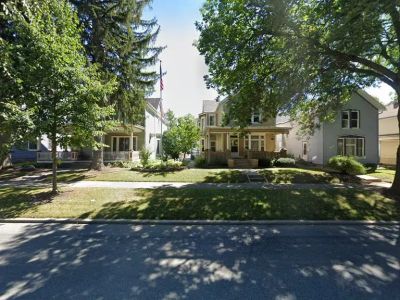
The Thirteen Step House
Fort Wayne, Indiana
1317 W Washington Blvd, Fort Wayne, IN, 46802
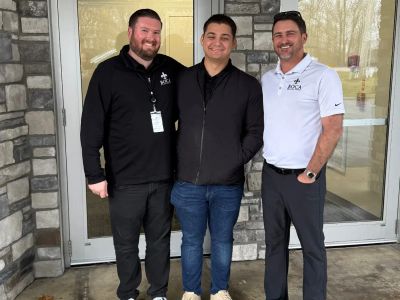
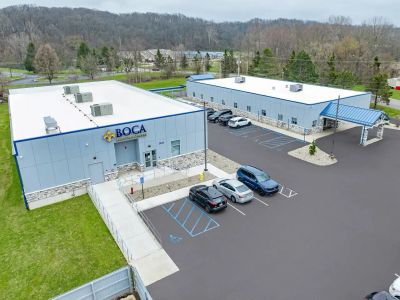

Boca Recovery Center - Indiana Drug and Alcohol Rehab
Huntington, Indiana
3040 W Park Dr, Huntington, IN 46750
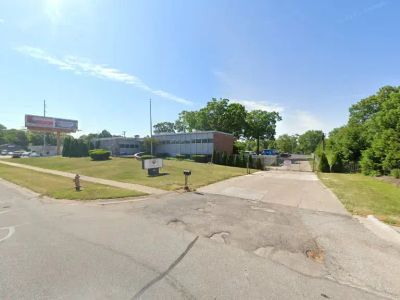
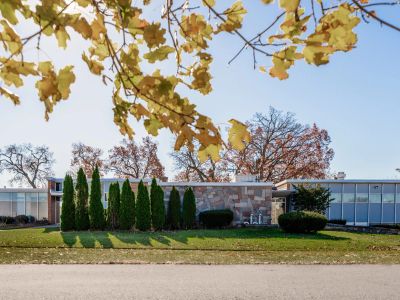
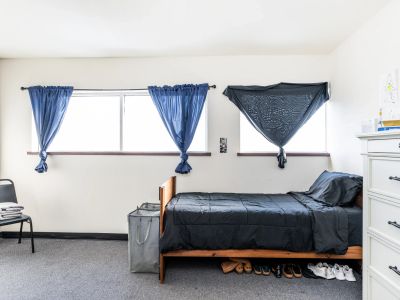
Cardinal Recovery
Franklin, Indiana
1130 West Jefferson St, Franklin, IN, 46131
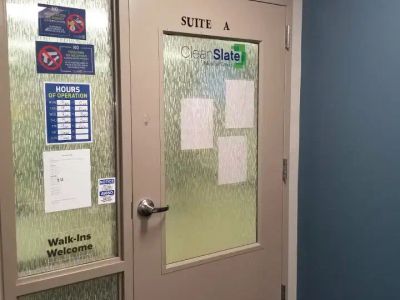
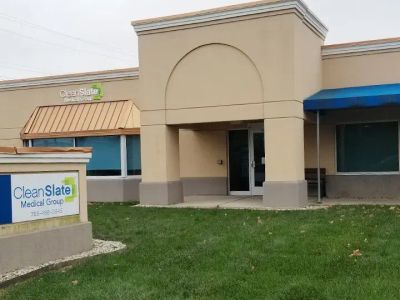
CleanSlate Outpatient Addiction Medicine
Richmond, Indiana
2302 Chester Blvd A, Richmond, IN 47374

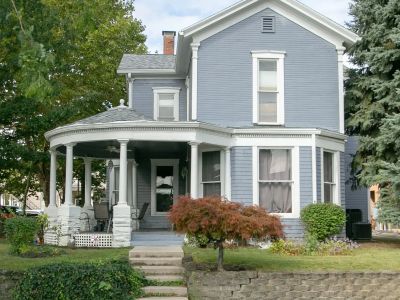
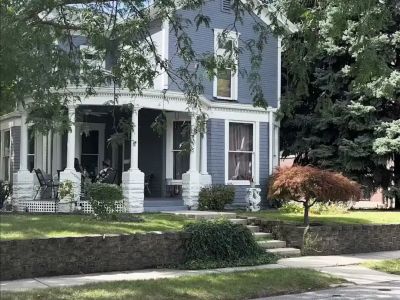
Elevate Recovery
Kokomo, Indiana
209 N Webster St, Kokomo, IN 46901


Recovery Centers of America at Indianapolis
Indianapolis, Indiana
8530 Township Line Rd, Indianapolis, IN 46260
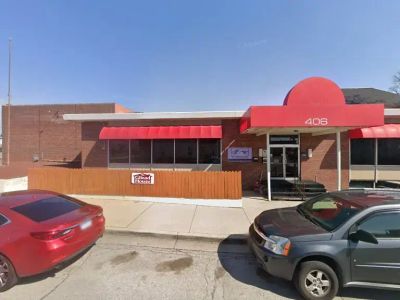

The Gilead House
Indianapolis, Indiana
406 East Sycamore Street, Indianapolis, IN, 46901
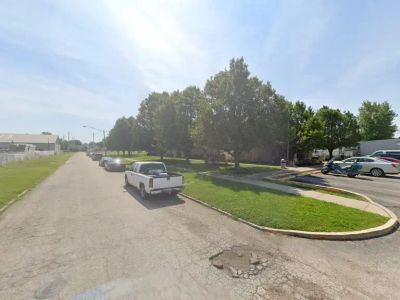
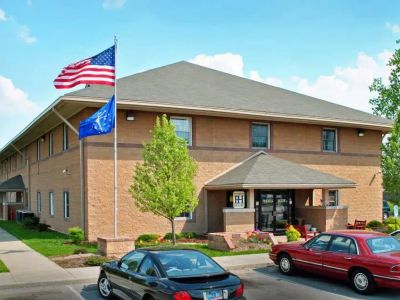

Aspire Indiana Health - Progress House
Indianapolis, Indiana
201 Shelby St., Indianapolis, IN, 46202

Centerstone - Madison
Madison, Indiana
3008 North Bevcher Street, Madison, IN 47250
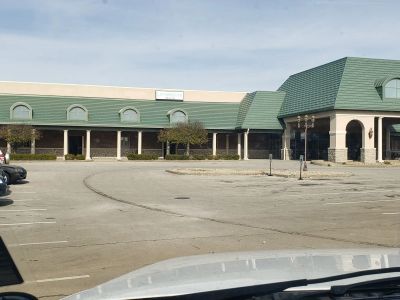
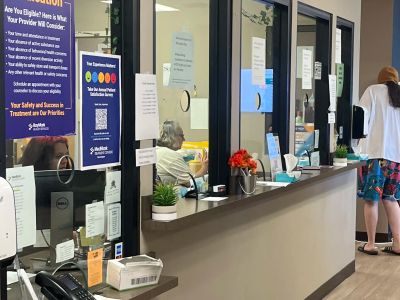
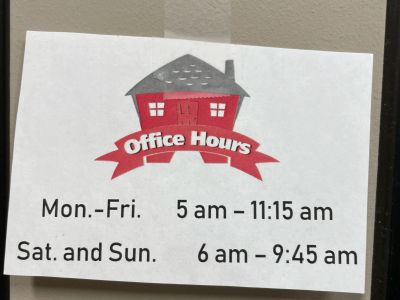
MedMark Treatment Centers Bloomington
Bloomington, Indiana
2100 Liberty Dr Suite A, Bloomington, IN 47403


Fresh Start Counseling Services - Merrillville
Merrillville, Indiana
3490 West 81st Avenue, Merrillville, IN 46410

Centerstone - Mooresville
Mooresville, Indiana
11370 North State Route 67, Mooresville, IN, 46158

Fresh Start Counseling Services - Valparaiso
Valparaiso, Indiana
1552 West Lincoln Way, Valparaiso, IN 46385
Southwestern Behavioral Healthcare - Dennis N. Moran Center
Evansville, Indiana
60 South stockwell Road, Evansville, IN, 47714
Volunteers of America - Indianapolis
Indianapolis, Indiana
4181 E. 96th Street, Suite 280, Indianapolis, Indiana 46240
Regional Mental Health Center - Hobart
Hobart, Indiana
7783 East Ridge Road, Hobart, IN, 46342
Why Trust Indiana Rehabs
As Hoosiers helping Hoosiers, we understand the unique challenges our communities face. Our team meticulously verifies every Indiana treatment center, ensuring you find trusted, local care that truly understands your journey.
About our listingsLevels of Care
Explore popular treatment options by levels of care, from flexible treatment in Outpatient centers to intensive care in Residential rehabs.
Free · 24/7 · Confidential
Talk to a Treatment Specialist
Call now to get matched with Indiana facilities that accept your insurance.
(888) 568-9930
Free
Ins. check
4.9★
Rating
HIPAA
Protected
Can't travel to a facility?
Licensed Indiana therapists via secure video — same-week appointments, evenings & weekends available.
Hearing a judge mandate rehab can feel like your world has suddenly tipped, leaving you standing in an unfamiliar place with anxiety piling up and questions swirling. You might be wondering what comes next, how this decision will shape your case, and what it really means for your future. While court-ordered treatment may feel overwhelming at first, it can also be a turning point, a structured pathway toward change, steadied by clear steps that can help you regain a sense of control and hope as you move forward.
What Is Court-Ordered Rehab?
Court-ordered rehab is a type of sentencing where a judge requires an individual to attend a substance use disorder treatment program instead of, or in addition to, jail time. It’s a path often taken for non-violent, drug-related crimes, shifting the focus from punishment to recovery. The goal is twofold: to help you fulfill your legal obligations while also giving you the tools and support to address the root causes of addiction. In Indiana, where a significant portion of the incarcerated population has a substance use disorder, this approach recognizes that treatment is often a more effective solution than prison alone[1]. Specialized courts, often called drug courts, are designed to handle these cases, guiding individuals through a structured court mandated rehab program that supports long-term healing[2].
How Does Court-Ordered Rehab Work?
Navigating the process of court-ordered rehab might seem complicated, but it follows a clear, structured path. Once a judge makes the order, several steps are set in motion to ensure you get the right help while meeting the court's requirements. The journey is a partnership between you, the courts, and your treatment provider, with clear lines of communication to track your progress. It all starts with understanding what the court needs from you and finding a program that fits.
Here’s a look at the typical process:
- The Judge's Order: The process begins in the courtroom when a judge officially mandates treatment as part of your sentence.
- Clinical Assessment: Before you can enroll in a program, you’ll need a professional assessment. This evaluation helps determine the specific type and intensity of care you need based on your substance use history and other factors.
- Choosing a Facility: You and your legal counsel will need to find a state-approved rehab facility that meets the court’s criteria and can provide the necessary documentation.
- Enrollment and Treatment Plan: Once you’re enrolled, the facility’s clinical team will create a personalized treatment plan for you. This plan outlines your therapy sessions, activities, and recovery goals.
- Ongoing Monitoring: The court requires regular updates on your progress. This often involves frequent drug testing, attendance tracking, and reports from your counselor to your probation officer or the court system[3]. It's essential to follow all the rules to remain in good standing.
Are There Different Types of Court-Ordered Treatment?
Yes, courts can order various types of treatment programs, and the one chosen for you will depend on the clinical assessment of your needs. The goal is to match the level of care to the severity of the substance use disorder and the circumstances of your case. All programs, whether inpatient or outpatient, must be certified by the state to ensure they provide quality care[4]. The different levels of care ensure that you get the right amount of support, structure, and therapy to build a strong foundation for recovery.

Common types of court-ordered treatment include:
- Detoxification (Detox): This is often the first step, providing medical supervision to help you safely manage withdrawal symptoms from drugs or alcohol.
- Inpatient/Residential Treatment: In this setting, you live at the facility for a set period, usually 30 to 90 days. It offers an immersive, highly structured environment with 24/7 support, individual counseling, and group therapy.
- Intensive Outpatient Programs (IOP): IOPs provide structured treatment for several hours a day, multiple days a week, but you return home each evening. This option allows you to maintain some daily responsibilities while still receiving intensive care.
- Outpatient Programs (OP): This is the least intensive option, involving regular therapy sessions, often once or twice a week. It’s best for individuals with a strong support system at home who need ongoing support to maintain their recovery.
Who Is Eligible For Court-Ordered Rehab?
The option for court-ordered rehab isn't available for every case. A judge considers several factors to determine if a defendant is a good candidate for a treatment program instead of incarceration. The primary focus is on individuals whose legal troubles are directly linked to a substance use disorder and who are likely to benefit from a structured recovery environment. Ultimately, the decision is made to help people who need it most, directing them toward a path of healing rather than punishment.
Eligibility criteria often include:
- A Non-Violent Offense: This option is typically reserved for non-violent drug or alcohol-related charges, such as DUIs or possession.
- Link Between Crime and Substance Use: The court must see a clear connection showing that the defendant’s substance use was a contributing factor to the crime.
- Limited Criminal History: Individuals with a minimal or non-existent criminal history are often seen as better candidates.
- Willingness to Participate: A judge may consider whether the defendant seems genuinely open to participating in treatment and making a positive change.
- Focus on Rehabilitation: Treatment courts are specifically designed to help individuals whose primary problem is addiction, not those involved in large-scale drug trafficking or violent crime[2].
How Long Is Court-Ordered Rehab?
There isn't a one-size-fits-all answer for the duration of a court-ordered rehab program. The length of your treatment is determined by both the judge's orders and your individual clinical needs. Some inpatient programs might last 30, 60, or 90 days, while outpatient programs and monitoring can extend for several months or even a year. The time you spend in a program is less about marking days off a calendar and more about making real progress. Your treatment team will work with you to set recovery goals, and completion often depends on meeting these clinical milestones, not just finishing a set amount of time[3]. The key is to stay engaged and focus on your recovery, which is the surest path to successfully fulfilling the court's requirements.
What Happens After Court-Ordered Rehab?
Successfully completing a court-ordered rehab program is a huge accomplishment, and it can have a powerful positive impact on both your legal situation and your life. When you finish the program, the court is notified, which can lead to reduced sentences, dismissed charges, or the fulfillment of your probation terms. But more importantly, you leave with new skills and a much healthier outlook. Studies on Indiana's treatment court programs show that participants have dramatically better health outcomes and are far less likely to die prematurely[5]. Nationally, graduates of drug court programs have significantly lower rates of re-offending[2]. To maintain this progress, it’s crucial to continue with aftercare, which might include ongoing therapy, support groups, or sober living arrangements. This continued support helps you build on the foundation you created in treatment and stay on the path of long-term recovery.
What Happens If Someone Fails To Complete Court-Ordered Rehab?
Failing to complete a court-ordered rehab program is treated as a serious violation by the courts and comes with significant consequences. Non-compliance tells the judge that you have not fulfilled the terms of your sentence, which can lead to strict penalties. It's important to understand that the opportunity for treatment is given in place of harsher punishment, and not following through can revoke that chance.
Potential consequences of non-compliance include:
- Jail Time: The judge can impose the original jail or prison sentence that was suspended in favor of treatment.
- Additional Fines: The court may levy new fines on top of any existing ones.
- Stricter Probation: Your probation terms could become more restrictive, with more frequent check-ins and stricter rules.
- Revocation of the Deal: Any agreement for reduced or dismissed charges will likely be canceled, and you may face the original, more severe charges.
Who Pays for Court-Ordered Rehab?
One of the first questions many people have is about the costs of treatment. In most cases, the individual is responsible for paying for their court-ordered rehab. While this can feel like another burden, there are several options available to help manage the expense. Many private insurance plans offer coverage for substance use disorder treatment, and public programs like Indiana Medicaid can also be a valuable resource[6]. Additionally, many treatment facilities understand the financial strain and offer payment plans or sliding scale fees based on your income. Don’t let worries about payment stop you from getting the help you need. The first step is to explore your options and see what kind of coverage you have. You can verify your insurance to understand what your plan covers and what financial support is available to you.
How to Find Court-Ordered Alcohol Rehab
Finding the right rehab facility is a critical step in fulfilling your legal obligations. It’s essential to choose a program that is not only effective but also approved by the courts. The first person to talk to is your defense attorney, as they often have a list of trusted, court-approved providers. You should look for a treatment center that is certified by Indiana's Division of Mental Health and Addiction (DMHA), as this ensures they meet state standards for care[7]. An experienced facility will also know exactly how to handle the required progress reports and documentation for the court. Using a trusted resource like SAMHSA's FindTreatment.gov or our directory of rehab facilities in Indiana can help you filter for programs that specifically work with court-mandated individuals, making the search much simpler.
Fulfilling Your Legal Requirements and Building a New Future
A court order for rehab can feel daunting, but it's also an opportunity to reset your life and build a healthier future. This path provides the structure and professional support that can make lasting recovery possible. By successfully completing your program, you not only satisfy your legal requirements but also gain the tools to overcome addiction and move forward with confidence. You don't have to navigate this journey alone; help is available right here in Indiana. Taking that first step is the most important part of the process.
If you're ready to learn more or need help finding a court-approved program, our team at Indiana Rehabs is here for you. Call us at (888) 568-9930 or contact us today to find the support you need to fulfill your obligations and build a new beginning.
Frequently Asked Questions About Court-Ordered Rehab in Indiana
What happens if you can't afford court-ordered rehab in Indiana?
Can you choose your own rehab for court-ordered treatment?
What's the difference between court-ordered rehab and voluntary rehab?
Does court-ordered rehab go on your record?
Can I still work or go to school during court-ordered rehab?
- Indiana Family and Social Services Administration. (November, 2024). Progress report. Indiana Family and Social Services Administration. in.gov
- (2022). A national report on treatment courts in the United States. National Treatment Court Resource Center. ntcrc.org
- Center for Behavioral Health and Justice. (n.d.). Evidence based treatment for justice-involved populations in Allen County. Wayne State University. behaviorhealthjustice.wayne.edu
- U.S. Department of Health and Human Services. (August, 2021). State residential treatment for behavioral health: A survey of state licensure and certification requirements for Indiana. U.S. Department of Health and Human Services. aspe.hhs.gov
- Menachemi, N. et al. (2025). Indiana adults who participated in treatment court programs had substantially better health outcomes than nonparticipants. Health Affairs. healthaffairs.org
- Indiana General Assembly. (2023). IC 12-15 Article 15. Medicaid. Indiana General Assembly. iga.in.gov
- Indiana Family and Social Services Administration. (07-14-2020). Certification and licensure rules and Indiana code. Indiana Family and Social Services Administration. in.gov