Evidence Based Rehab Programs

Showing 20 of 234 Results (filtered)
Featured Rehab Centers
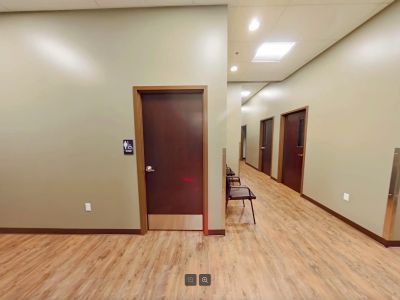
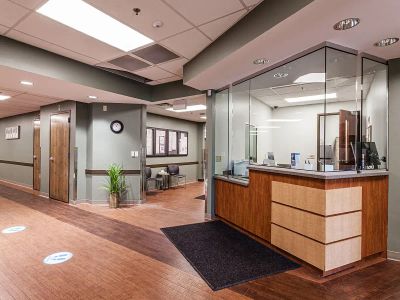
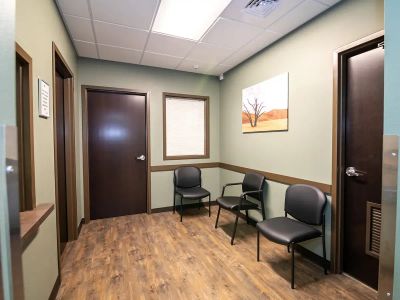
Comprehensive Treatment Centers - Evansville
Evansville, Indiana
1510 West Franklin Street, Evansville, IN 47710


AD Rehab - Addiction Treatment Center
Merrillville, Indiana
5382 Washington St, Merrillville, IN 46410

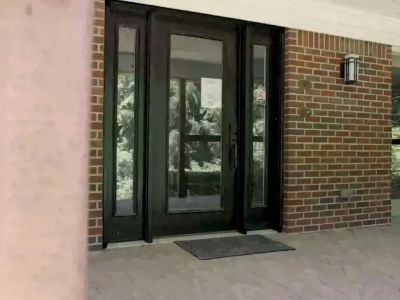
Addiction Rehab Centers - ARC at Fox Hill | Drug & Alcohol Rehab - Mooresville Indiana
Mooresville, Indiana
12168 N Mann Rd, Mooresville, IN 46158
Get Personalized Rehab Matches in 60 Seconds
Tell us a few details and we’ll show a personalized shortlist of verified Indiana rehabs, making it simple to compare options and choose your next step with confidence.

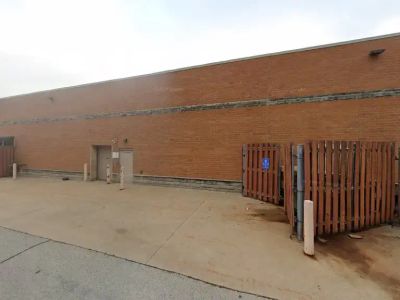
ADTR Center - Addiction Treatment
Gary, Indiana
1601-35 W 25th Ave, Gary, IN 46404
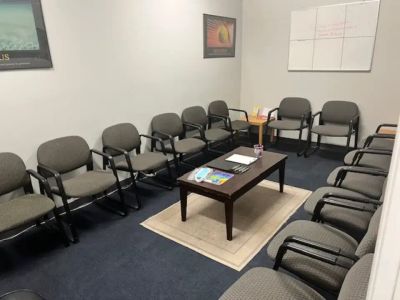
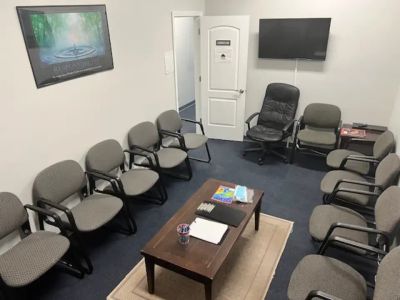
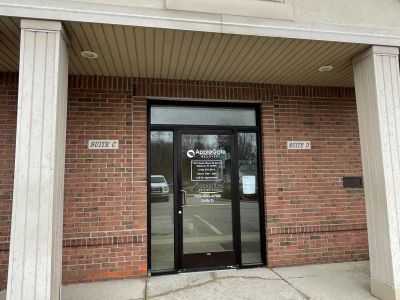
AppleGate Recovery Kokomo
Kokomo, Indiana
1542 S Dixon Rd STE C, Kokomo, IN 46902

Crossroads Healing Center - Addiction & Mental Health Treatment in Indiana
Connersville, Indiana
450 Erie Ave, Connersville, IN 47331

Hamilton Center Inc: Mathew Maleakal S MD
Terre Haute, Indiana
620 8th Ave, Terre Haute, IN 47804
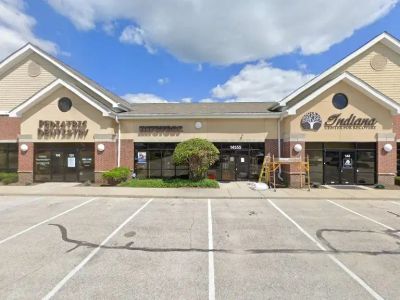
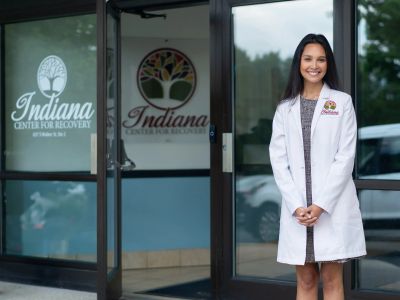
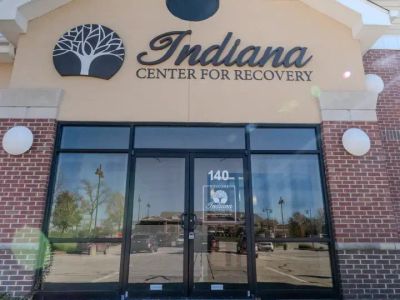
Indiana Center For Recovery - Alcohol & Drug Rehab Center Carmel
Carmel, Indiana
14555 Hazel Dell Pkwy #140, Carmel, IN 46033
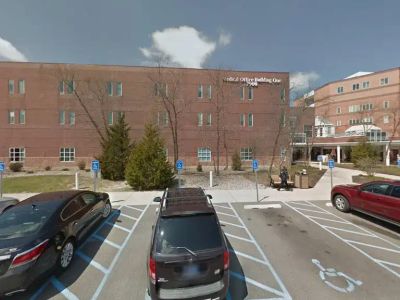
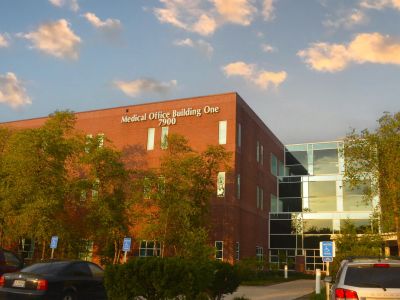
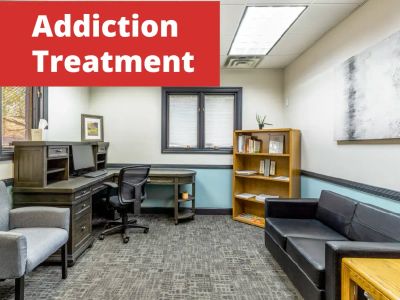
Indiana Center for Recovery - Alcohol & Drug Rehab Center Fort Wayne
Fort Wayne, Indiana
7900 W Jefferson Blvd, Fort Wayne, IN 46804
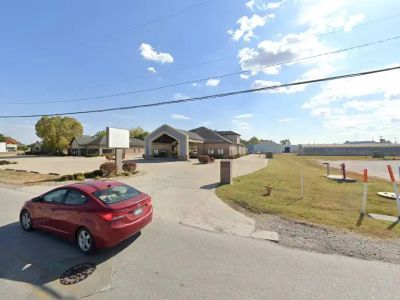
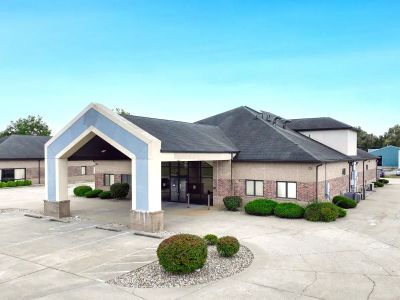
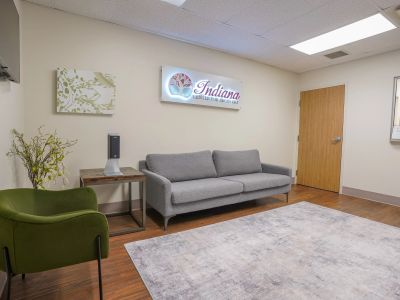
Indiana Center For Recovery- Alcohol & Drug Rehab Terre Haute
Terre Haute, Indiana
135 E Hospital Ln, Terre Haute, IN 47802



Indiana Treatment Centers
Columbus, Indiana
1888 Poshard Dr, Columbus, IN 47203


JRNY Counseling LP
Carmel, Indiana
708 Adams St suite 209, Carmel, IN 46032
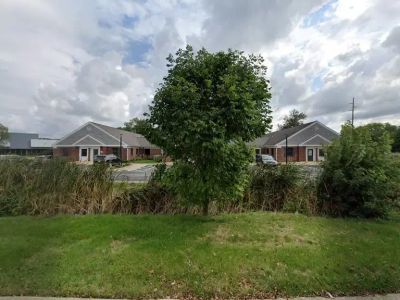
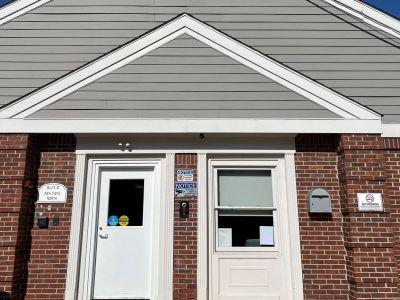
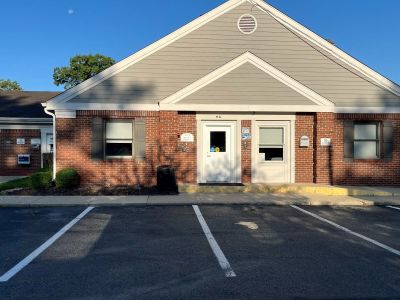
New Vista North
Indianapolis, Indiana
4010 W 86th St suite d, Indianapolis, IN 46268


Recover Together - Martinsville
Martinsville, Indiana
225 Morton Ave Martinsville, IN 46151
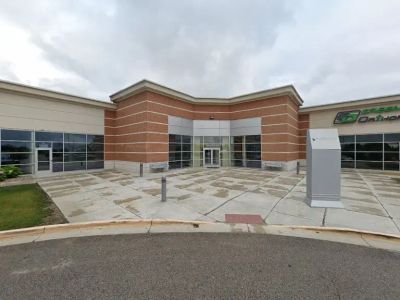
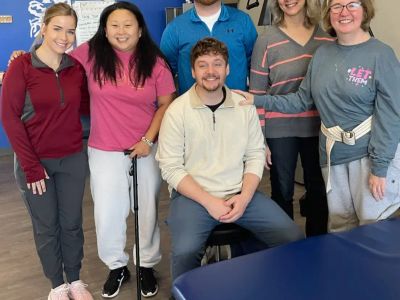
Rehab Without Walls - Indianapolis Neuro Therapy Center
Greenwood, Indiana
965 Emerson Pkwy Unit G, Greenwood, IN 46143

Spero Health
Richmond, Indiana
18 SW 5th St, Richmond, IN 47374
Spero Health - Connersville
Connersville, Indiana
531 North Central Avenue Suite 6, Connersville, IN 47331



Addiction Rehab Centers - ARC | Drug & Alcohol Rehab - Addiction Treatment in Indianapolis, IN
Indianapolis, Indiana
7322 Noel Rd, Indianapolis, IN 46278

ADTR Center - Alcohol & Drug Addiction Treatment
Crown Point, Indiana
10707 Randolph St, Crown Point, IN 46307


215 North Rogers Street, Bloomington, IN 47404
Why Trust Indiana Rehabs
As Hoosiers helping Hoosiers, we understand the unique challenges our communities face. Our team meticulously verifies every Indiana treatment center, ensuring you find trusted, local care that truly understands your journey.
About our listingsLevels of Care
Explore popular treatment options by levels of care, from flexible treatment in Outpatient centers to intensive care in Residential rehabs.
Free · 24/7 · Confidential
Talk to a Treatment Specialist
Call now to get matched with Indiana facilities that accept your insurance.
(888) 568-9930
Free
Ins. check
4.9★
Rating
HIPAA
Protected
Can't travel to a facility?
Licensed Indiana therapists via secure video — same-week appointments, evenings & weekends available.
When you or someone close to you needs help, how do you sort through all the rehab choices and know which one actually works? It’s overwhelming, wading through promises and programs, hoping to find something that feels trustworthy. That’s where evidence-based rehab comes in, care built on real science, not just good intentions. Understanding what makes a program truly effective is the first step toward making the right choice for a lasting recovery, especially here in Indiana where the options can feel endless.
What Does Evidence Based Rehab Treatment Mean?
It’s easy to get lost in clinical terms, but "evidence-based rehab" is actually a very simple idea: it means using treatment methods that have been rigorously tested and proven to be effective through scientific research[1]. Think of it as the difference between following a well-tested recipe and just guessing at the ingredients. The goal of this approach is to make sure that the care you receive has the highest possible chance of success.
This isn't just one specific type of therapy. Instead, it’s a whole approach to healthcare that moves away from models based on tradition or what "seems" to work. An evidence-based practice uses data and results to guide every decision, ensuring that the treatment plan is built on a foundation of solid proof. This is especially important here in Indiana, where about 1 in 12 people meet the criteria for a substance use disorder and need care they can count on[2]. By choosing an evidence-based program, you’re not just hoping for a good outcome, you’re choosing a path to recovery that is backed by science.
Evidence Based Rehab Treatment Components
So, what does an evidence-based approach actually look like when you walk into a treatment center? It’s much more than just the therapy sessions. It’s a thoughtful and collaborative process built on three core pillars that work together to create a truly personalized plan for each patient.

The three essential components of evidence-based practice are:
- The Best Available Scientific Research: At its heart, this approach uses therapies and interventions that have been proven effective in clinical trials and studies. This means the methods used in your treatment have a track record of helping people with similar challenges.
- The Clinician’s Professional Expertise: A skilled therapist or doctor uses their training and experience to interpret the research and apply it to your specific situation. They know how to adapt proven methods to fit your needs, making crucial judgments that a textbook alone can't provide.
- The Patient’s Unique Values and Circumstances: This is where you come in. Your personal preferences, cultural background, past experiences, and goals are a critical part of the equation. True evidence-based care respects your voice and ensures the treatment plan aligns with who you are and what you want for your life.
When you’re looking for a rehab program, you can ask how they incorporate these three elements. A good program will be able to explain how they use a comprehensive assessment to understand your unique needs and how your personal input will shape your care plan. It's this combination of science, expertise, and personal choice that makes evidence-based treatment so effective.
Proven Therapeutic Modalities
Within the framework of evidence-based care, several specific therapies have consistently shown great success. These interventions are often the building blocks of a strong treatment plan.
- cognitive behavioral therapy (CBT): This therapy helps you identify and change the destructive thinking patterns and behaviors that fuel substance use and mental health challenges[3]. It's a practical, goal-oriented approach to developing healthier coping skills.
- dialectical behavior therapy (DBT): DBT is particularly effective for people who experience intense emotions. It teaches skills in mindfulness, distress tolerance, emotional regulation, and interpersonal effectiveness.
- motivational interviewing: This is a collaborative conversation style that helps you find your own motivation to change. Instead of telling you what to do, the therapist helps you resolve your own uncertainties and commit to your recovery goals.
Medication-Assisted Treatment (MAT)
Medication-Assisted Treatment (MAT) is another cornerstone of modern, evidence-based care, especially for opioid and alcohol use disorders[4]. This approach combines FDA-approved medications with counseling and behavioral therapies to treat the whole person. The medications work to reduce cravings and withdrawal symptoms, which stabilizes your body and allows you to focus more effectively on the therapy and counseling part of your treatment. When used correctly, MAT is a safe and highly effective way to support long-term recovery.
How to Find Vetted Evidence-Based Rehab in Indiana
Finding the right rehab program can feel like searching for a needle in a haystack, but you don’t have to do it alone. Here in Indiana, resources are available to help you identify high-quality, evidence-based care. The key is knowing what to look for and what questions to ask.
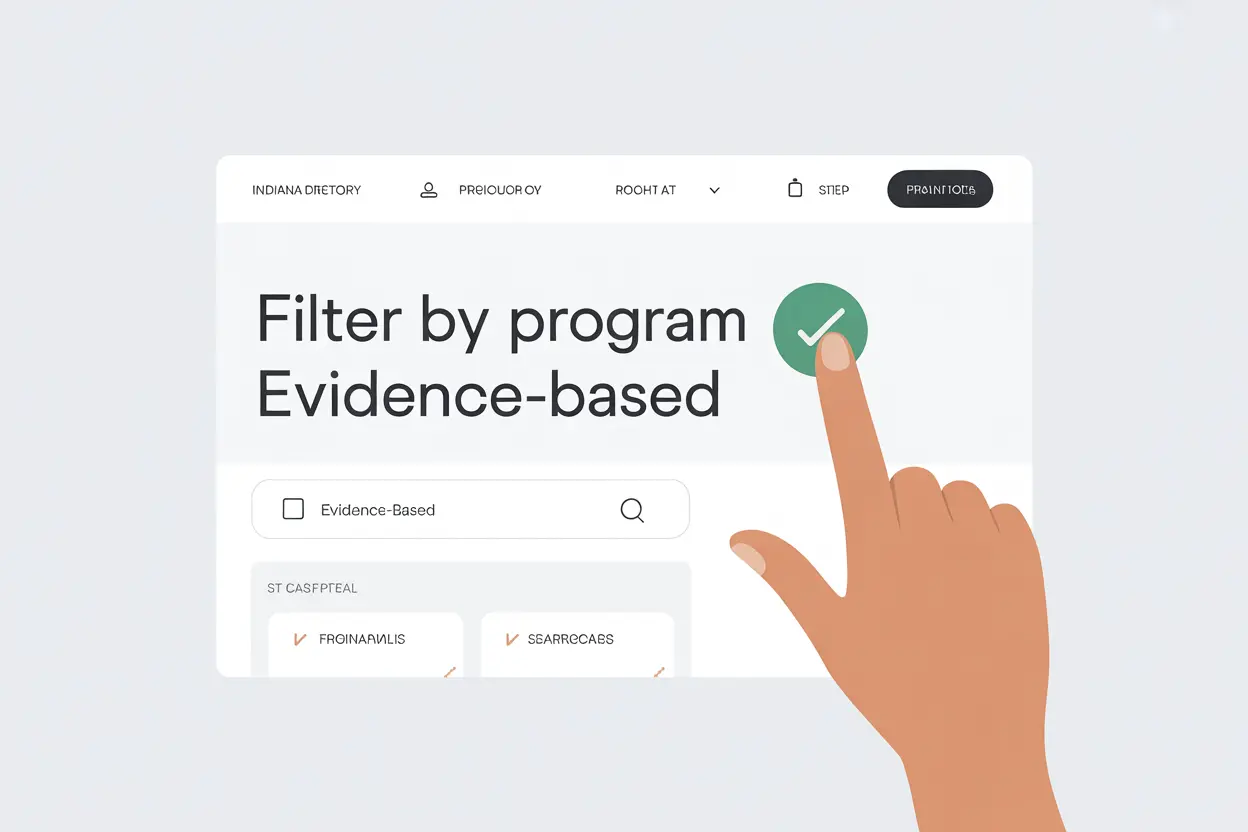
Our directory is designed to make this process easier. Every facility listed is licensed by the state, which means they meet important standards for safety and care quality overseen by Indiana's Division of Mental Health and Addiction (DMHA)[5]. You can use our filters to narrow your search to programs that specifically offer "Evidence-Based Practices" or particular therapies like CBT, DBT, or MAT services.
Once you have a shortlist of programs, the next step is to reach out and talk to an admissions counselor. This is your chance to advocate for yourself or your loved one. Don’t be afraid to ask direct questions. Here are a few to get you started:
- What specific evidence-based therapies do you use in your programs?
- How do you create a personalized treatment plan for each patient?
- How do you measure treatment success and track progress?
- Can you describe how your clinical staff stays up-to-date on the latest research?
The answers to these questions will tell you a lot about a facility's commitment to providing proven care. For additional guidance on what to expect during the first call, our admissions information page can help you prepare. You can also use external resources like the Treatment Atlas for Indiana to cross-reference and find vetted providers.
Your Next Step Toward Proven Recovery
Choosing to seek help is a huge act of courage, and you deserve a rehab program that honors that decision with the best possible care. Opting for an evidence-based approach gives you the strongest foundation for a lasting recovery because it's a path that’s personalized, respectful, and backed by science. It’s about more than just getting through detox; it’s about building the skills and resilience for a healthier future.
Here in Indiana, we’ve seen how expanding access to this kind of effective treatment can lead to incredible outcomes, including a significant reduction in overdose deaths[6]. Recovery is not just possible, it’s expected. You don't have to figure this out on your own. Taking that first step is the most important part of the journey. If you’re unsure where to begin, you can always call SAMHSA's National Helpline for free, confidential guidance.
You’ve already taken a powerful step just by seeking out this information. Remember that choosing a rehab program built on evidence gives you the best chance at a successful, long-term recovery. If you’re ready to talk about your options here in Indiana, our team is here to help you find a path forward. You can call us at (888) 568-9930 for a confidential conversation or explore the different types of treatment available. At Indiana Rehabs, we’re committed to connecting you with the care you deserve. Please reach out to us today.
Frequently Asked Questions About Evidence-Based Rehab in Indiana
Why is evidence-based treatment important for addiction recovery?
What is the difference between evidence-based therapy and traditional therapy?
Does insurance cover evidence-based rehab programs in Indiana?
What role do I play in my own evidence-based treatment plan?
How can I be sure the therapy is working?
- Substance Abuse and Mental Health Services Administration. (01-08-2025). Evidence-Based Practices Resource Center. SAMHSA. samhsa.gov
- Hinton, K., Evans, D., & Woodcox, S. Evidence-based Approaches to Substance Use Disorders. Purdue University Extension. extension.purdue.edu
- Hogue, A., Dauber, S., & Liddle, H. A. (March, 2023). Evidence-based Treatment for SUDs in Community Settings. Current Opinion in Psychology. pmc.ncbi.nlm.nih.gov
- Indiana Family and Social Services Administration. (06-16-2021). Substance Use Disorder (SUD)/Serious Mental Illness (SMI) Treatment. Indiana Medicaid. in.gov
- U.S. Department of Health & Human Services. (August, 2021). INDIANA | State Residential Treatment for Behavioral Health. Office of the Assistant Secretary for Planning and Evaluation. aspe.hhs.gov
- Indiana Family and Social Services Administration. (November, 2024). Indiana Drug Overdose Prevention Program Progress Report. State of Indiana. in.gov