Trauma-Informed Rehab Programs

Showing 19 of 72 Results (filtered)
Featured Rehab Centers
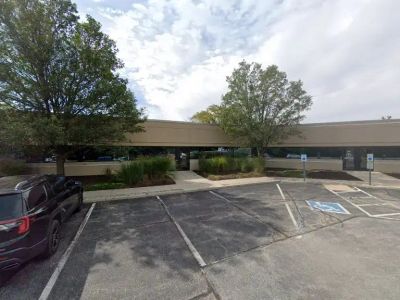
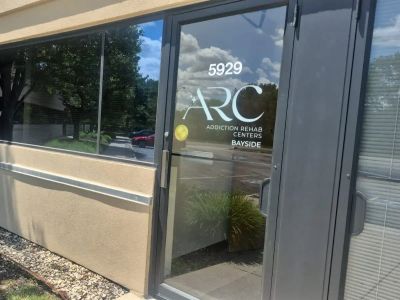

Addiction Rehab Centers - ARC At Bayside | Indianapolis Drug & Alcohol Rehab
Indianapolis, Indiana
5929 Lakeside Blvd, Indianapolis, IN 46278
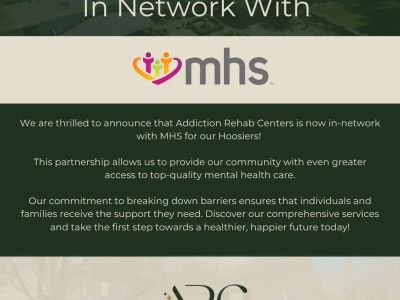


Addiction Rehab Centers - ARC at Fox Hill | Drug & Alcohol Rehab - Mooresville Indiana
Mooresville, Indiana
12168 N Mann Rd, Mooresville, IN 46158
Centerstone - New Castle
New Castle, Indiana
3221 S Memorial Dr, New Castle, IN 47362
Get Personalized Rehab Matches in 60 Seconds
Tell us a few details and we’ll show a personalized shortlist of verified Indiana rehabs, making it simple to compare options and choose your next step with confidence.

Crossroads Healing Center - Addiction & Mental Health Treatment in Indiana
Connersville, Indiana
450 Erie Ave, Connersville, IN 47331
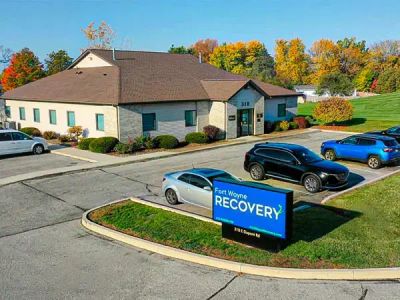

Fort Wayne Recovery
Fort Wayne, Indiana
310 E Dupont Rd, Fort Wayne, IN 46825

Hamilton Center Inc: Mathew Maleakal S MD
Terre Haute, Indiana
620 8th Ave, Terre Haute, IN 47804



Indiana Treatment Centers
Columbus, Indiana
1888 Poshard Dr, Columbus, IN 47203



Spero Health
Richmond, Indiana
18 SW 5th St, Richmond, IN 47374
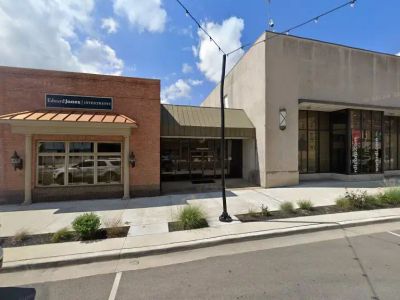

Spero Health - Connersville
Connersville, Indiana
531 North Central Avenue Suite 6, Connersville, IN 47331



Addiction Rehab Centers - ARC | Drug & Alcohol Rehab - Addiction Treatment in Indianapolis, IN
Indianapolis, Indiana
7322 Noel Rd, Indianapolis, IN 46278

CleanSlate Outpatient Addiction Medicine
Noblesville, Indiana
18051 River Rd Suite 101, Noblesville, IN 46062

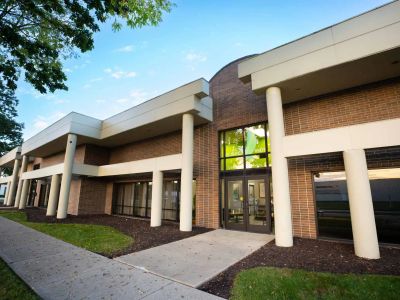
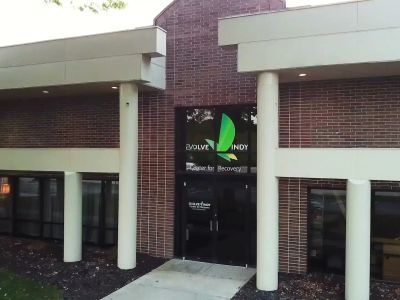
Evolve Indy
Indianapolis, Indiana
8770 Guion Rd, Indianapolis, IN, 46268
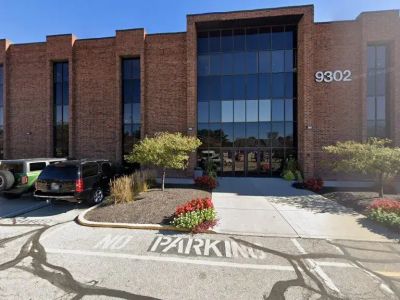


Spark Recovery - Outpatient Drug Addiction Treatment Indianapolis
Indianapolis, Indiana
9302 N Meridian St Ste 101, Indianapolis, IN 46260



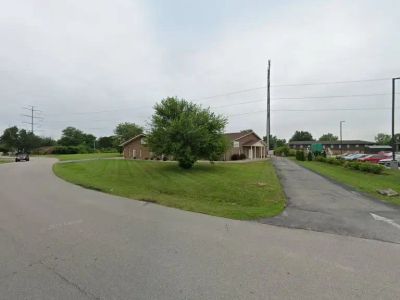
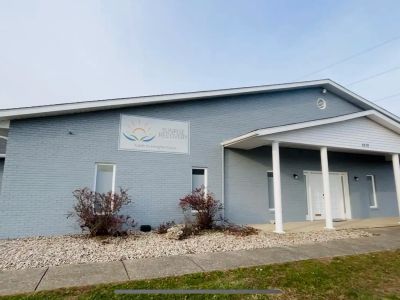
Sunrise Recovery - Drug and Alcohol Men's Rehab in Clarksville
Clarksville, Indiana
628 Eastern Blvd, Clarksville, IN 47129
Sunrise Recovery - Drug and Alcohol Women's Rehab in Clarksville
Clarksville, Indiana
1610 Blackiston View Dr, Clarksville, IN 47129

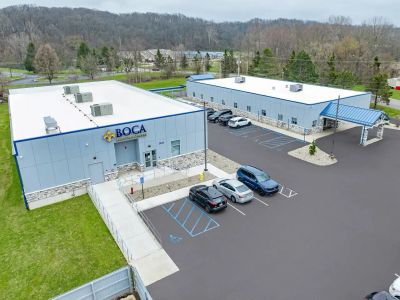

Boca Recovery Center - Indiana Drug and Alcohol Rehab
Huntington, Indiana
3040 W Park Dr, Huntington, IN 46750


Cardinal Recovery
Franklin, Indiana
1130 West Jefferson St, Franklin, IN, 46131

Amethyst House - Women's House
Bloomington, Indiana
322 West 2nd Street, Bloomington, IN 47401


215 North Rogers Street, Bloomington, IN 47404
Why Trust Indiana Rehabs
As Hoosiers helping Hoosiers, we understand the unique challenges our communities face. Our team meticulously verifies every Indiana treatment center, ensuring you find trusted, local care that truly understands your journey.
About our listingsLevels of Care
Explore popular treatment options by levels of care, from flexible treatment in Outpatient centers to intensive care in Residential rehabs.
Free · 24/7 · Confidential
Talk to a Treatment Specialist
Call now to get matched with Indiana facilities that accept your insurance.
(888) 568-9930
Free
Ins. check
4.9★
Rating
HIPAA
Protected
Can't travel to a facility?
Licensed Indiana therapists via secure video — same-week appointments, evenings & weekends available.
Have you ever felt like something crucial was being missed in your recovery journey, as if the real weight you carry isn’t fully seen or understood? You’re far from alone, nearly 70 percent of adults have lived through at least one traumatic event, an invisible burden that often shapes the path to addiction and healing. When recovery overlooks these deeper wounds, it can leave you feeling stuck and unheard. The truth is, real healing begins when treatment recognizes the roots of your pain, and trauma informed rehab offers a kinder, more holistic way forward.

What Is Trauma-Informed Care?
At its heart, trauma-informed care is a profound shift in perspective. Instead of asking, “What’s wrong with you?” this approach gently asks, “What happened to you?” It’s not a single type of therapy but a complete framework that shapes every part of the treatment experience, from the first phone call to the day you complete your program. This approach recognizes that trauma is widespread and that its effects can ripple through a person's entire life.
The Substance Abuse and Mental Health Services Administration (SAMHSA) leads the way in defining this compassionate model. A trauma-informed approach doesn't assume everyone has a history of trauma, but it operates as if they might, creating an environment that feels safe, respectful, and empowering for everyone. It’s about understanding that past experiences can influence how a person interacts with the world and their own healing journey. This understanding is built into every policy, procedure, and staff interaction, ensuring that the care you receive supports your recovery without accidentally causing more harm. By focusing on what you’ve survived, this form of care helps you build on your own strength for lasting healing.
The connection between trauma and addiction
When you experience something traumatic, your body’s alarm system, the nervous system, can get stuck in the "on" position. Imagine a smoke detector that won’t stop blaring long after the smoke has cleared, that’s what it can feel like. This constant state of high alert, or hypervigilance, is exhausting and overwhelming. The brain is flooded with stress hormones, making it hard to feel safe, calm, or in control. For many, turning to substances becomes a way to quiet that alarm and cope with the relentless symptoms of unresolved trauma, like anxiety, flashbacks, and nightmares.
This is why trauma and addiction so often go hand-in-hand. It’s not a matter of weakness, it’s a matter of survival. When these two issues exist together, they are known as co-occurring disorders, and they need to be treated at the same time for recovery to be effective[1]. Simply treating the substance use without addressing the underlying trauma is like patching a crack in a dam without fixing the pressure building behind it. The connection is especially strong for certain groups, for example, it's estimated that over two out of ten veterans with PTSD also struggle with a substance use disorder. A dual diagnosis program provides the integrated care necessary to heal both conditions, paving the way for a more stable and complete recovery.
Guiding Principles of Trauma-Informed Care
To create a truly healing environment, trauma-informed care is built on a set of core principles defined by SAMHSA[2]. These aren’t just abstract ideas, they are the pillars that ensure every aspect of your treatment is designed to feel safe, respectful, and supportive. Think of them as the foundation of a house, you may not always see them, but they provide the stability needed for everything else to stand strong.
Trust and Transparency
Trust is the cornerstone of healing. In a trauma-informed rehab, this means being open and honest in every interaction. From the moment you inquire about a program, you should receive clear, consistent information about what to expect, from treatment plans and daily schedules to costs and staff roles. There are no hidden surprises. This transparency helps rebuild the sense of predictability and reliability that trauma often takes away, allowing you to feel secure enough to engage fully in your recovery.
Peer Support
There is incredible healing power in knowing you’re not alone. Peer support connects you with others who have walked a similar path and understand what you’re going through on a personal level. These individuals offer living proof that recovery is possible, creating a sense of hope and belonging. Sharing experiences with peers helps build trust, reduces feelings of isolation, and reinforces the idea that your feelings are valid, making it easier to collaborate in your own healing.
Collaboration and Empowerment
A trauma-informed approach recognizes that you are the expert on your own life. Instead of a top-down model where staff make all the decisions, treatment is a partnership. Your voice matters, and you are given a real choice in your care plan. This collaboration levels the power dynamic, fostering a sense of agency and self-worth. By empowering you to be an active participant in your recovery, this principle helps you reclaim the control that trauma may have stolen.
Recognizing Strengths and Resilience
So often, people who have experienced trauma focus on what’s "wrong." This principle shifts the focus to what is strong. A trauma-informed approach helps you see that the ways you’ve coped, even if they were unhealthy, were survival strategies. It validates your resilience and helps you identify the incredible strengths you already possess. Treatment then becomes about building on those strengths, rather than just fixing deficits, which is a far more empowering way to heal.
Cultural Sensitivity and Awareness
Everyone’s background and identity shape their experience of trauma and healing. This principle means that a treatment center actively works to move beyond stereotypes and biases. Staff are trained to understand and respect different cultural, racial, and gender identities. This includes recognizing the impact of historical and generational trauma. By offering culturally responsive care, a facility ensures that your unique experiences are honored and that treatment feels relevant and safe for you as an individual.

Common methods of trauma-informed care
While trauma-informed care is the overall philosophy that guides a treatment program, it often includes specific, evidence-based therapies designed to directly address the impacts of trauma[3]. A rehab center doesn’t need to offer every single one to be effective, but having trained professionals who can use these methods is a key sign of a quality program. These therapies are the tools used within the safe and supportive structure that a trauma-informed approach provides.
Dialectical Behavioural Therapy (DBT)
Originally developed to treat borderline personality disorder, dialectical behavioural therapy (DBT) is now widely used for individuals with a history of trauma. It’s a skills-based approach that helps you learn how to manage overwhelming emotions, tolerate distress without turning to substances, and build healthier relationships. The four main modules, mindfulness, emotion regulation, distress tolerance, and interpersonal effectiveness, give you practical tools to navigate the challenges of daily life and find balance.
Eye movement desensitization and reprocessing (EMDR)
Traumatic memories can often feel "stuck," causing you to relive the event as if it’s happening right now. eye movement desensitization and reprocessing (EMDR) is a powerful therapy designed to help your brain reprocess these memories so they no longer have the same emotional charge. During an EMDR session, a therapist guides you through bilateral stimulation, such as side-to-side eye movements, while you recall the traumatic event. This helps your brain’s natural healing process kick back into gear, allowing the memory to be stored properly without the intense distress.
Seeking Safety
seeking safety is a therapy model designed specifically for people dealing with both trauma/PTSD and substance abuse. Unlike some other therapies, it is present-focused, meaning you don't have to go into detail about past traumatic events to benefit from it. The main goal is right in the name: helping you achieve safety in the here and now. It teaches coping skills to manage triggers, ground yourself during moments of distress, and end substance use, creating a stable foundation for long-term recovery.
The Benefits of Trauma-Informed Care
So, what does this all mean for you? Choosing a rehab program that practices trauma-informed care can make a world of difference in your healing journey. It’s an approach that benefits everyone involved, from clients to the clinical staff, creating a healthier and more effective environment for recovery[4]. This is especially true for veterans, survivors of childhood abuse, and anyone dealing with co-occurring disorders.
- Increased Safety and Trust: The entire environment is designed to feel physically and emotionally safe, which helps you lower your defenses and build trust with your care team.
- Reduced Risk of Re-traumatization: Staff are trained to recognize trauma triggers and avoid practices that could accidentally re-traumatize you, making treatment a place of healing, not harm.
- Improved Client Engagement: When you feel seen, heard, and respected, you’re more likely to stay engaged in your treatment plan and actively participate in your own recovery.
- Better Long-Term Outcomes: By addressing the root causes of addiction instead of just the symptoms, this approach gives you the tools for more sustainable, long-term healing and reduces the likelihood of relapse.
- Empowerment and Resilience: The focus on your strengths and your active role in decision-making helps you reclaim your sense of power and build confidence in your ability to heal.
- A Healthier Environment for Staff: When staff feel supported and work in a collaborative, respectful environment, it reduces burnout and helps them provide better, more compassionate care.
Finding Trauma-Informed Rehab in Indiana
Finding the right treatment center can feel like a daunting task, but knowing what to look for can make it much easier. When you’re searching for a trauma informed rehab in Indiana, you’re looking for more than just a list of services, you’re looking for a philosophy of care. During a tour or on a facility’s website, pay attention to the environment. Does it feel welcoming and calm? Are the rules clear and explained respectfully? How do staff and clients interact with each other?
Don't hesitate to ask direct questions when you speak with an admissions coordinator. This is your chance to advocate for your needs. Consider asking:
- How is your staff trained in trauma-informed care?
- How do you ensure both physical and emotional safety for your clients?
- Can you describe how you involve clients in their own treatment planning?
- What specific therapies for trauma, like EMDR or DBT, do you offer?
A truly trauma-informed program will welcome these questions and provide clear, thoughtful answers. You can also explore trusted resources like the Indiana DMHA Treatment Finder to locate certified facilities. Your recovery is worth the effort to find a place where you feel genuinely safe and supported.
Your Path to Healing Can Start Today
True recovery isn't just about stopping the use of a substance; it's about healing the deep wounds that led you there in the first place. Trauma-informed care provides a compassionate, respectful, and effective path forward, one that honors your story and builds on your incredible resilience. It acknowledges what you’ve been through and empowers you to create a future defined by hope, not hurt.
Reaching out for help is a profound act of strength. If you’re ready to find a place that understands the whole picture, our team at Indiana Rehabs is here to listen without judgment. You can call us anytime at (888) 568-9930 to speak with a caring specialist who can guide you toward the right support. You don't have to carry this weight alone anymore. Please contact us today to take the first step on your journey to healing.
Frequently Asked Questions About Trauma-Informed Rehab in Indiana
What is the difference between trauma-informed care and trauma-focused therapy?
Does trauma-informed care mean I have to talk about my trauma?
Is trauma-informed care only for people with PTSD?
Can trauma-informed care help with co-occurring disorders?
- American Academy of Pediatrics. (August, 2021). Trauma-Informed Care. Pediatrics. publications.aap.org
- Substance Abuse and Mental Health Services Administration. (12-03-2024). Trauma-Informed Approaches and Programs. Substance Abuse and Mental Health Services Administration. samhsa.gov
- Substance Abuse and Mental Health Services Administration. (01-08-2025). Evidence-Based Practices Resource Center. Substance Abuse and Mental Health Services Administration. samhsa.gov
- University of Wisconsin Population Health Institute. (10-24-2024). Trauma-informed health care. County Health Rankings & Roadmaps. countyhealthrankings.org