
Rehabs that Offer Discharge Planning

Showing 20 of 28 Results (filtered)
Featured Rehab Centers
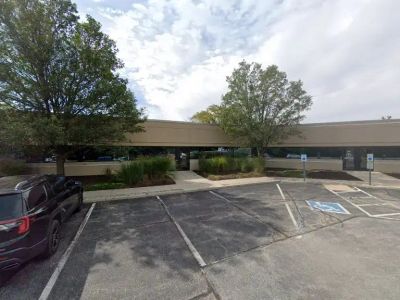
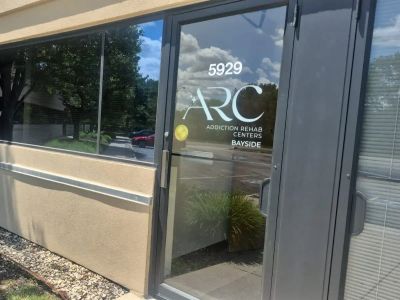

Addiction Rehab Centers - ARC At Bayside | Indianapolis Drug & Alcohol Rehab
Indianapolis, Indiana
5929 Lakeside Blvd, Indianapolis, IN 46278

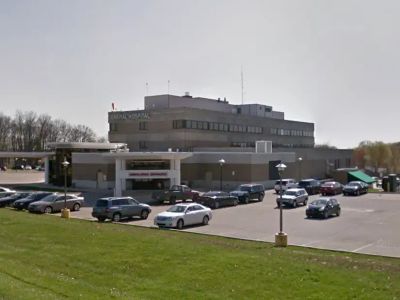

1185 County Rd 1000 W, Linton, IN 47441

Crossroads Healing Center - Addiction & Mental Health Treatment in Indiana
Connersville, Indiana
450 Erie Ave, Connersville, IN 47331
Get Personalized Rehab Matches in 60 Seconds
Tell us a few details and we’ll show a personalized shortlist of verified Indiana rehabs, making it simple to compare options and choose your next step with confidence.
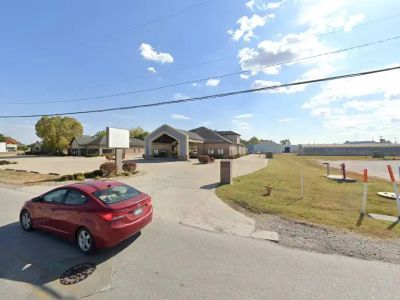
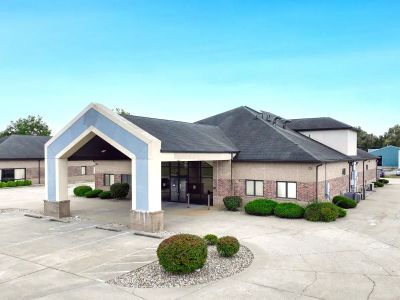
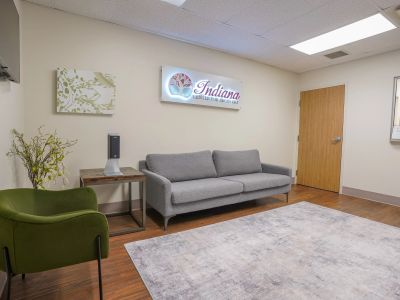
Indiana Center For Recovery- Alcohol & Drug Rehab Terre Haute
Terre Haute, Indiana
135 E Hospital Ln, Terre Haute, IN 47802

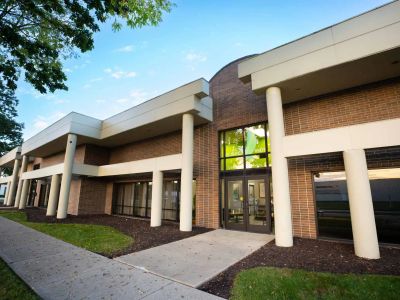

Evolve Indy
Indianapolis, Indiana
8770 Guion Rd, Indianapolis, IN, 46268
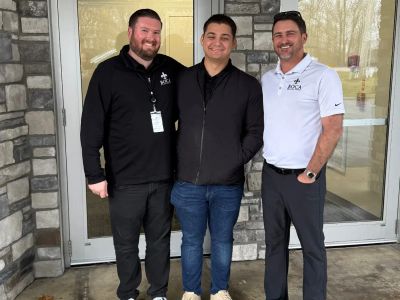
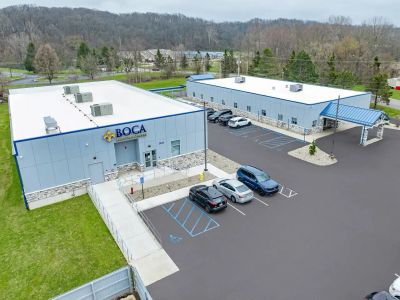

Boca Recovery Center - Indiana Drug and Alcohol Rehab
Huntington, Indiana
3040 W Park Dr, Huntington, IN 46750
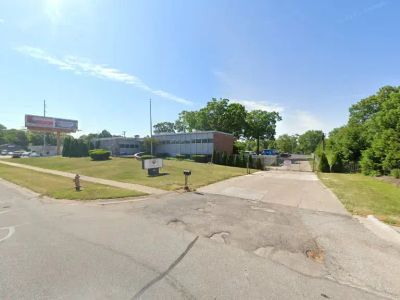


Cardinal Recovery
Franklin, Indiana
1130 West Jefferson St, Franklin, IN, 46131
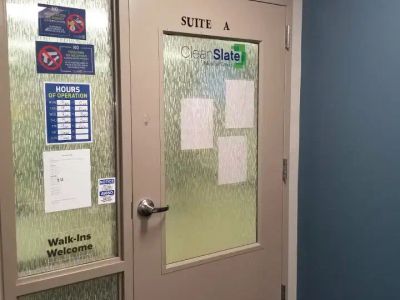
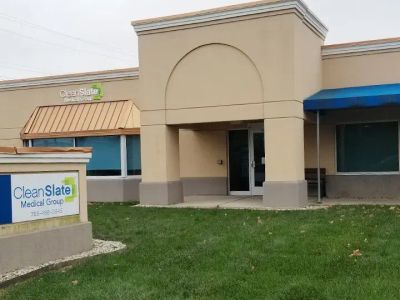
CleanSlate Outpatient Addiction Medicine
Richmond, Indiana
2302 Chester Blvd A, Richmond, IN 47374
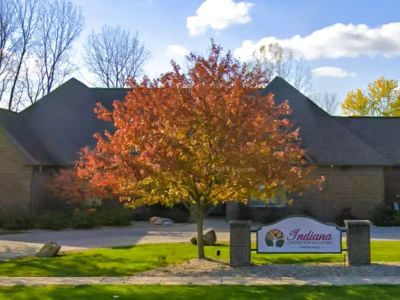

Indiana Center for Recovery - Alcohol & Drug Rehab Center Indianapolis
Indianapolis, Indiana
5510 S Emerson Ave, Indianapolis, IN 46237
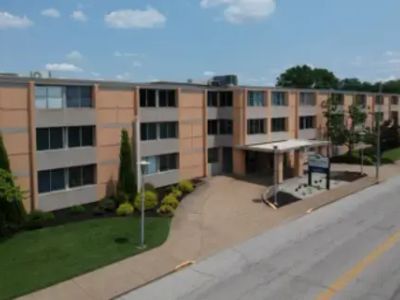
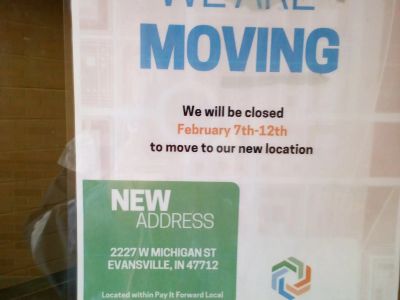
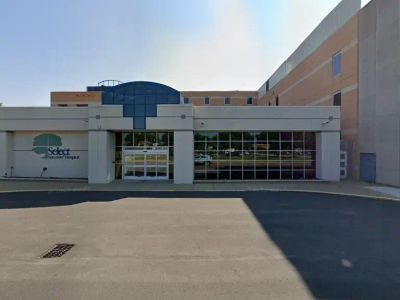
Southwestern Behavioral Healthcare - School Based Services
Evansville, Indiana
414 SE 4th St, Evansville, IN, 47714
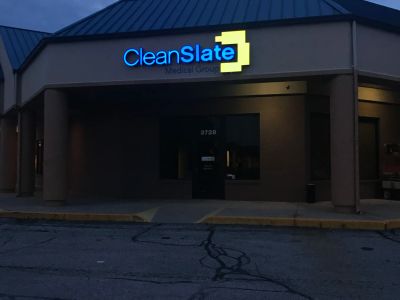
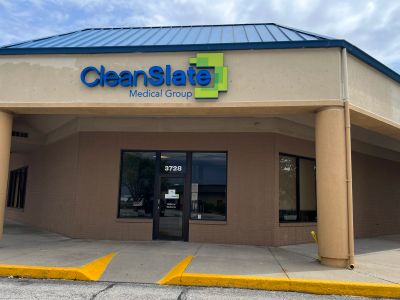
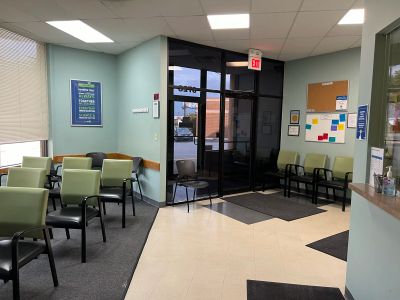
CleanSlate Outpatient Addiction Medicine
Kokomo, Indiana
3728 S Reed Rd, Kokomo, IN 46902


215 W 4th St, Mishawaka, IN 46544
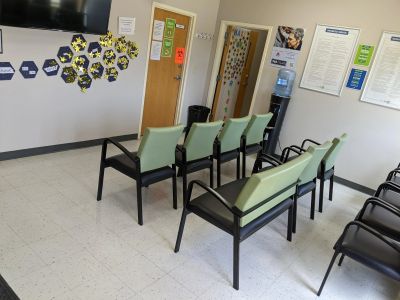
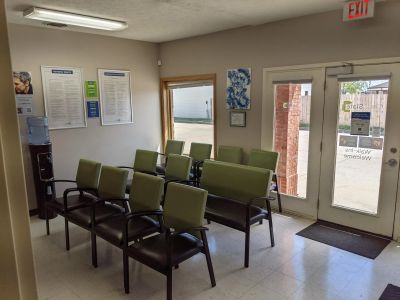

CleanSlate Outpatient Addiction Medicine
Lafayette, Indiana
30 Professional Ct #2A, Lafayette, IN 47905



Recovery Centers of America at Indianapolis
Indianapolis, Indiana
8530 Township Line Rd, Indianapolis, IN 46260

Centerstone - Madison
Madison, Indiana
3008 North Bevcher Street, Madison, IN 47250


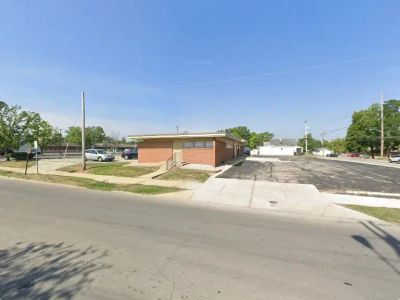
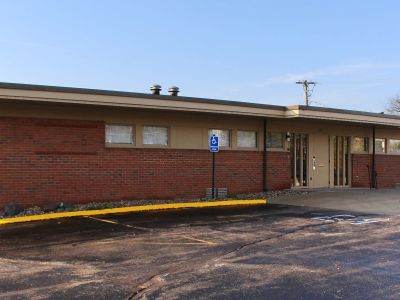

Aspire Indiana Health - Anderson
Anderson, Indiana
215 West 19th St Anderson, Anderson, IN, 46016
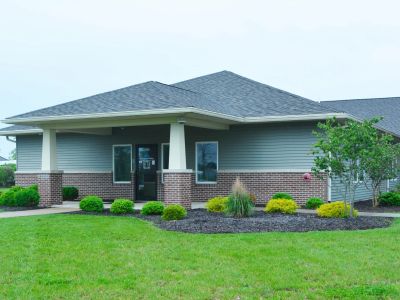

Pinnacle Treatment Centers - Cambridge City
Cambridge City, Indiana
2060 State Road 1 North, Cambridge City, IN, 47327
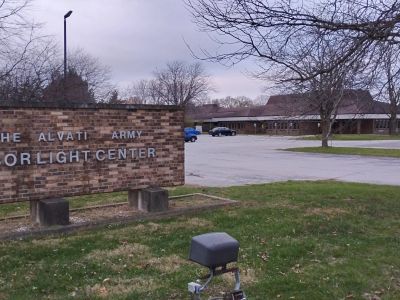
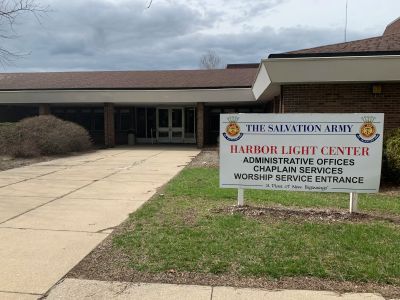

Salvation Army Harbor Light Center
Indianapolis, Indiana
2400 N Tibbs Ave, Indianapolis, IN 46222

Southwestern Behavioral Healthcare - Lillian G. Moulton Center
Evansville, Indiana
1 North Barker Avenue, Evansville, IN, 47712
Why Trust Indiana Rehabs
As Hoosiers helping Hoosiers, we understand the unique challenges our communities face. Our team meticulously verifies every Indiana treatment center, ensuring you find trusted, local care that truly understands your journey.
About our listingsLevels of Care
Explore popular treatment options by levels of care, from flexible treatment in Outpatient centers to intensive care in Residential rehabs.
Free · 24/7 · Confidential
Talk to a Treatment Specialist
Call now to get matched with Indiana facilities that accept your insurance.
(888) 568-9930
Free
Ins. check
4.9★
Rating
HIPAA
Protected
Can't travel to a facility?
Licensed Indiana therapists via secure video — same-week appointments, evenings & weekends available.
You’ve worked hard in treatment, and the day you’ve been waiting for is finally here. As you pack up, hope and nervousness mingle, a part of you is eager for a fresh start, while another part quietly wonders, what comes next? The truth is, leaving rehab isn’t just about stepping out the door; it’s about finding the right support to help you stay steady and strong on your own. A thoughtful discharge plan can be your blueprint for making that leap with confidence.

Definition/Introduction
When you hear the term “discharge planning,” it might sound like just another piece of paperwork to complete before you leave rehab. But it’s so much more than that. Think of it as a personalized roadmap for your recovery journey, designed to guide you through the first crucial days, weeks, and months after treatment ends. It’s a process of identifying what you’ll need to stay healthy and then connecting you with the right resources to meet those needs[1].
This plan isn’t just a final step; it’s a core part of your treatment. The goal is to make the transition from the structured environment of a treatment center back to your daily life as smooth and safe as possible. A good plan anticipates challenges, helps you recognize potential triggers, and builds a strong support system you can lean on before you even face them. Nationally, about 80% of individuals in inpatient rehabilitation are successfully discharged back into their communities, and a solid plan is key to that success[2]. Having a clear aftercare strategy is one of the most effective tools for preventing relapse and sustaining the progress you’ve made.
Leaving rehab without a plan can feel like navigating a new city without a map. That’s why professional discharge planning services are so critical. They provide the structure and support needed to turn the hope you feel on your last day of treatment into a lasting reality.
Who Should Help with My Plan?
Your discharge plan is a collaborative effort, and you are the most important member of the team. It’s a process built with you, not for you. In Indiana, the process is designed to be a team effort, ensuring all your needs are considered and you're connected with follow-up care[3]. Your honesty about your fears, strengths, and home environment is crucial for creating a plan that truly works. While the treatment team helps build the framework, you are the one who will bring it to life.
Several people will be there to guide and support you during this planning process. Here’s who you can expect to work with:
- You (the Patient): Your voice is the most important. Your goals, concerns, and preferences are the foundation of the entire plan. Being an active participant means asking questions, sharing your thoughts honestly, and taking ownership of your recovery path.
- Therapists and Counselors: Your primary therapist or counselor knows your story and the progress you've made. They will help you identify emotional triggers, develop coping strategies, and set up ongoing counseling or therapy sessions to continue your personal growth.
- Case Manager or Social Worker: This person often coordinates the entire discharge process. They are experts at connecting you with practical resources like housing, employment support, and local support groups. Think of them as the logistical hub of your treatment team. The coordinated support from case management services ensures no detail is overlooked.
- Medical Staff (Physician, Nurses): If you have medical needs or are on prescribed medication, the medical team will ensure your plan includes a clear schedule for medication management, follow-up appointments with your physician, and guidance on maintaining your physical health.
- Supportive Family and Friends: Involving trusted family members or friends can be incredibly helpful. They can offer emotional support, provide accountability, and learn how to best help you navigate your new sober lifestyle. Their involvement should be supportive and respectful of your recovery goals.
Drug Rehab Discharge Planning: Key Considerations
A strong discharge plan is much more than just a list of appointments. It’s a comprehensive guide that touches on multiple areas of your life to create a holistic support structure for long-term recovery. In fact, nearly all substance abuse treatment facilities in the country recognize its importance and offer discharge planning[4]. In Indiana, treatment programs are required to have clear, written policies for this process to ensure every patient has a roadmap for success[5]. Your plan should be tailored to your unique needs, addressing everything from ongoing therapy to where you’ll live. Let’s break down the key components that make up a solid aftercare plan.

Continuing Care and Support
Recovery doesn't stop when you leave the treatment center; it’s a lifelong journey. Continuing care is the cornerstone of a successful discharge plan. This involves scheduling consistent therapy sessions and finding support groups that resonate with you. Your plan should include specific dates and times for your first few appointments with a therapist or counselor, ideally scheduled before you even walk out the door. It should also have a list of local support groups like Alcoholics Anonymous (AA), Narcotics Anonymous (NA), or other recovery communities. Having contact information for your sponsor, counselors, and supportive friends readily available gives you an immediate network to call upon when you need it.
Medication and Health Management
If you take any prescribed medications, your discharge plan must include a detailed medication plan. This document should clearly list each medication, its dosage, the schedule for taking it, and its purpose. It should also outline the plan for refills and include contact information for the prescribing physician. Beyond medication, recovery involves healing your whole self. Your plan might include nutritional guidelines, an exercise routine, and scheduled follow-up appointments with your primary care doctor to address any physical health concerns that arose from or were neglected during active substance use. Proper health management is a vital part of feeling your best and staying strong in recovery.
Housing and Lifestyle Adjustments
Where you live after treatment can have a huge impact on your recovery. A safe, stable, and substance-free environment is essential. For some, this may mean returning home with a new set of boundaries and rules. For others, a structured environment like a sober living home might be the best next step. Your plan should address your specific housing situation and identify any potential triggers for relapse in your environment. Creating a structured daily routine is another powerful tool. Simple things like waking up at the same time, scheduling meals, and planning healthy activities can provide a sense of stability and purpose that supports your new lifestyle.
Family Support and Emergency Planning
Addiction affects the whole family, and their support can be a powerful asset in your recovery. Your discharge plan can include resources for your loved ones, such as information on Al-Anon meetings or family therapy sessions. Educating your family helps them understand your journey and learn how to support you in a healthy, constructive way. Just as important is having an emergency plan. This is a clear, written set of steps to take if you experience intense cravings or a crisis. It should include who to call first, whether it's your sponsor, therapist, or a trusted friend, and what to do to keep yourself safe until help arrives. Knowing these steps ahead of time can make all the difference in a difficult moment.
Your Next Steps to a Supported Recovery
Your discharge plan is more than just a document; it’s a commitment to yourself and your future. It is an active, ongoing process that empowers you to take control of your recovery journey. Think of it as a living guide, one that you can and should adjust as your needs change. Long-term success is built on the foundation you create in treatment, and this plan is the blueprint for continuing that important work. One of the most critical steps you can take is scheduling your first follow-up appointment before you even leave your treatment facility, as this simple act dramatically increases the likelihood of continued success[6].
The journey of recovery has its challenges, but you don't have to walk it alone. With the right preparation and support system, a healthy, fulfilling life is entirely within your reach. In Indiana, a strong network of professionals is ready to help you create a robust aftercare plan that builds on your progress and paves the way for a stable future. Engaging with a dedicated aftercare planning service can connect you with the local resources and ongoing support you need to thrive.
Remember that every step forward, no matter how small, is a victory. Your recovery is a testament to your strength and resilience. If you're ready to build a confident future, the team at Indiana Rehabs is here to help you find the right support. You can start today by calling us at (888) 568-9930 or reaching out through our contact page. Taking that next step is a powerful move toward the lasting peace you deserve.
Frequently Asked Questions About Rehab Discharge Planning
What is the difference between a discharge plan and an aftercare plan?
What is a discharge summary for substance abuse?
What should be on my discharge plan checklist?
How can family help with a discharge plan?
What is the first thing to do after being discharged from rehab?
- (2023). Discharge Process in Inpatient Rehabilitation. University of Indianapolis ScholarWorks. scholarworks.indianapolis.iu.edu
- Medicare Payment Advisory Commission. (March, 2025). Chapter 8: Inpatient rehabilitation facility services. Medicare Payment Advisory Commission. medpac.gov
- (2014). 440 IAC 1.5-3-10: Discharge planning services. Indiana Administrative Code. law.cornell.edu
- Substance Abuse and Mental Health Services Administration. (2020). National Survey of Substance Abuse Treatment Services (N-SSATS). SAMHSA. samhsa.gov
- U.S. Department of Health and Human Services. (2021). State behavioral health conditions of participation: Indiana. ASPE. aspe.hhs.gov
- Tensing, M., et al. (01-21-2022). Right on schedule: Improving the rate of clinic appointments scheduled before discharge. Pediatric Quality & Safety. pmc.ncbi.nlm.nih.gov