Rehabs that Offer Tobacco Cessation Program

Showing 20 of 25 Results (filtered)
Featured Rehab Centers
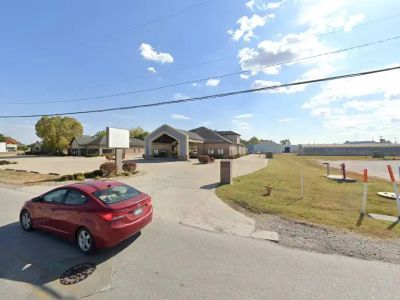

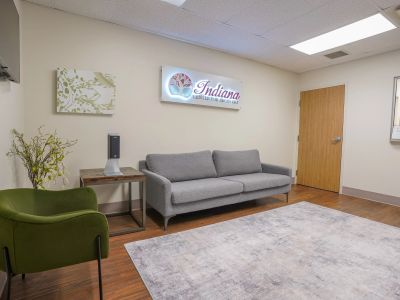
Indiana Center For Recovery- Alcohol & Drug Rehab Terre Haute
Terre Haute, Indiana
135 E Hospital Ln, Terre Haute, IN 47802
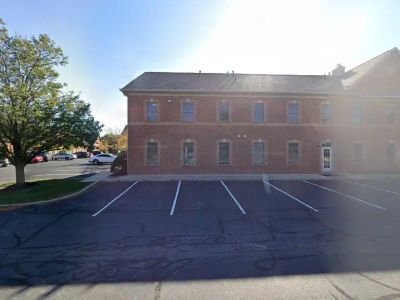


JRNY Counseling LP
Carmel, Indiana
708 Adams St suite 209, Carmel, IN 46032

Spero Health
Richmond, Indiana
18 SW 5th St, Richmond, IN 47374
Get Personalized Rehab Matches in 60 Seconds
Tell us a few details and we’ll show a personalized shortlist of verified Indiana rehabs, making it simple to compare options and choose your next step with confidence.


Spero Health - Connersville
Connersville, Indiana
531 North Central Avenue Suite 6, Connersville, IN 47331
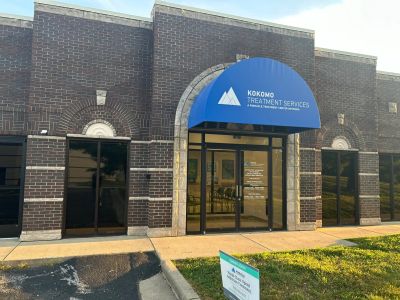
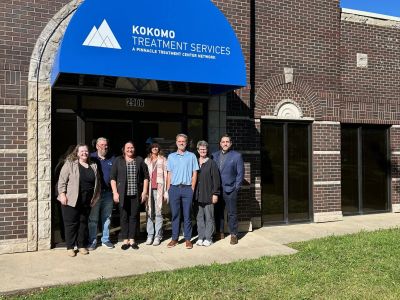
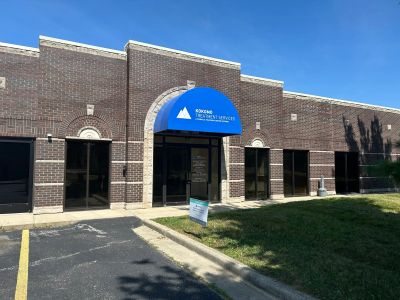
Pinnacle Treatment Centers - Kokomo
Kokomo, Indiana
2906 S. Reed Rd. Kokomo, IN 46902
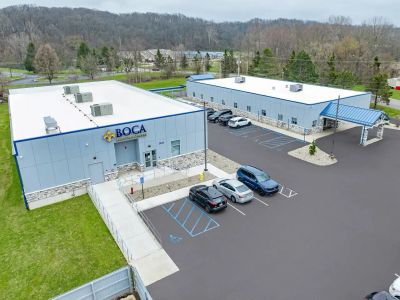

Boca Recovery Center - Indiana Drug and Alcohol Rehab
Huntington, Indiana
3040 W Park Dr, Huntington, IN 46750



Cardinal Recovery
Franklin, Indiana
1130 West Jefferson St, Franklin, IN, 46131

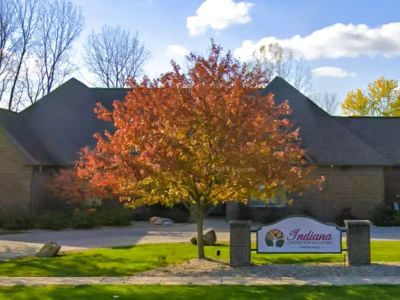

Indiana Center for Recovery - Alcohol & Drug Rehab Center Indianapolis
Indianapolis, Indiana
5510 S Emerson Ave, Indianapolis, IN 46237

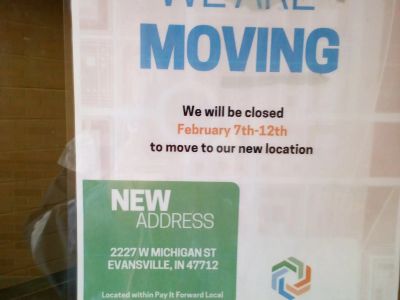

Southwestern Behavioral Healthcare - School Based Services
Evansville, Indiana
414 SE 4th St, Evansville, IN, 47714
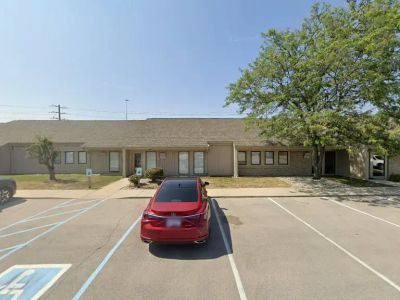
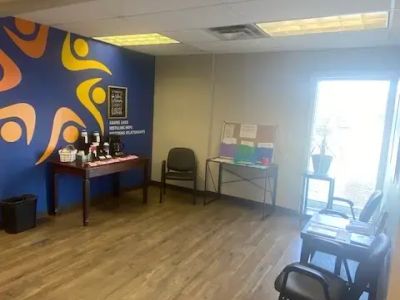
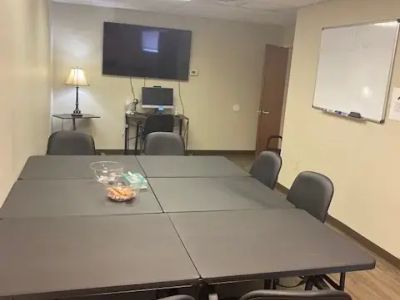
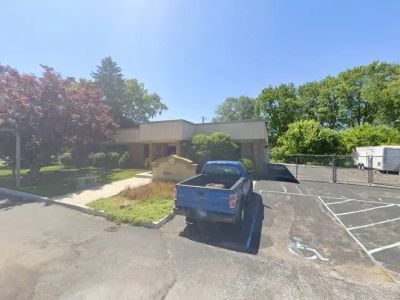
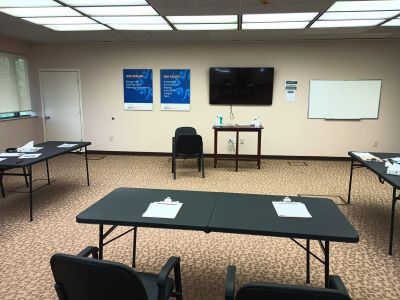
SperoHealth - Indianapolis
Indianapolis, Indiana
8202 Clearvista Parkway, Indianapolis, IN, 46256

SperoHealth - Greenwood
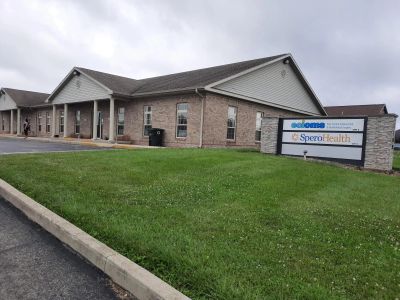
Greenwood, Indiana
7750 Madison Avenue, Greenwood, IN, 46227


SperoHealth - Muncie
Muncie, Indiana
3700 North Briarwood Lane, Muncie, IN, 47304


215 W 4th St, Mishawaka, IN 46544

CleanSlate Outpatient Addiction Medicine
Lafayette, Indiana
30 Professional Ct #2A, Lafayette, IN 47905


Pinnacle Treatment Centers - Cambridge City
Cambridge City, Indiana
2060 State Road 1 North, Cambridge City, IN, 47327


Southwestern Behavioral Healthcare - Lillian G. Moulton Center
Evansville, Indiana
1 North Barker Avenue, Evansville, IN, 47712


Southwestern Behavioral Healthcare – Youth Day Treatment
Evansville, Indiana
101 N Barker Ave, Evansville, IN 47712
Dove Recovery House for Women
Indianapolis, Indiana
3351 N Meridian St #110, Indianapolis, IN 46208


Southwestern Behavioral Healthcare - Evansville
Evansville, Indiana
415 Mulberry Street, Evansville, IN, 47713


Centerstone - North Marr Road
Columbus, Indiana
720 North Marr Road, Columbus, IN, 47201
Why Trust Indiana Rehabs
As Hoosiers helping Hoosiers, we understand the unique challenges our communities face. Our team meticulously verifies every Indiana treatment center, ensuring you find trusted, local care that truly understands your journey.
About our listingsLevels of Care
Explore popular treatment options by levels of care, from flexible treatment in Outpatient centers to intensive care in Residential rehabs.
Free · 24/7 · Confidential
Talk to a Treatment Specialist
Call now to get matched with Indiana facilities that accept your insurance.
(888) 568-9930
Free
Ins. check
4.9★
Rating
HIPAA
Protected
Can't travel to a facility?
Licensed Indiana therapists via secure video — same-week appointments, evenings & weekends available.
Imagine waking up and not immediately reaching for a cigarette or your vape, breathing in deeply, feeling more in control of your health, and savoring a bit of freedom you might not have felt in years. For many in Indiana, that vision can feel out of reach, almost like chasing daylight through fog. But quitting tobacco isn’t just wishful thinking; it’s absolutely possible, especially with the right support in your corner. There are proven programs designed to lift some of the weight off your shoulders and make quitting stick for good.

Overview of Tobacco Cessation Therapy
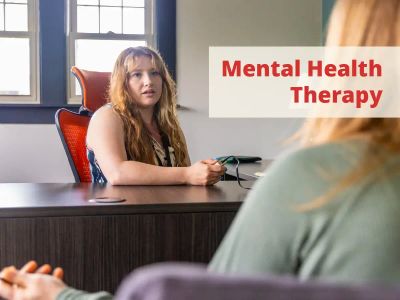
When you hear the term tobacco cessation program, think of it as a structured support system, a dedicated game plan to help you quit for good. The main goal is to give you the tools and encouragement you need to overcome nicotine dependence. These programs aren't one-size-fits-all; they create a personalized quit plan that fits your life. Whether you're dealing with cigarettes, chewing tobacco, or the unique challenges of quitting vaping and e-cigarettes, the right support can make all the difference. Core components often include one-on-one counseling, group therapy sessions, and even telehealth options for convenience. These resources provide a safe space for you to understand your triggers and develop healthier coping strategies for managing your nicotine use.[1]
Counseling plus medications
Quitting tobacco isn't just about willpower; it's about addressing both the mental and physical sides of nicotine dependence. That's why the most effective, evidence-based strategy combines behavioral support with medical support. Think of it this way: counseling and therapy help you rewire the habits and thoughts tied to smoking, while medication helps manage the physical cravings that can make quitting feel so tough. Studies show that this combination dramatically increases your chances of success. For example, some programs report a 57% quit rate at six months when counseling is used with an FDA-approved cessation medication. Another study found that smokers who get help from a nurse have a 28% higher chance of quitting for at least five months compared to those who go it alone. This powerful duo of counseling and medication provides a steady foundation for recovery. The two main types of medical support are nicotine replacement therapy (NRT) and prescription pills, both of which can be a key part of your patient care plan.[2][3]
You can use Nicotine Replacement Therapy (NRT)
One of the most common tools to help manage nicotine withdrawal is nicotine replacement therapy (NRT). NRT works by giving you a controlled dose of nicotine without the harmful chemicals found in tobacco products. This helps reduce cravings and withdrawal symptoms, so you can focus on changing your habits. Many NRT products are available over-the-counter and come in several forms, allowing you to choose what works best for you:
- Patches: Stick on your skin and deliver a steady, slow dose of nicotine throughout the day.
- Gum: Offers a quick dose of nicotine to manage sudden cravings.
- Lozenges: Dissolve in your mouth to release nicotine slowly.
- Inhalers: Mimic the hand-to-mouth action of smoking, which can be helpful for behavioral habits.
- Nasal sprays: Provide a fast-acting dose of nicotine to combat intense cravings.
You can talk to your health care provider about using a pill prescription medication
Beyond NRT, there are also non-nicotine prescription medications that can be very effective. Pills like varenicline and Bupropion work differently by reducing cravings and blocking the pleasurable effects of nicotine in your brain. This can make smoking less enjoyable if you do have a slip-up. Because these are prescription treatments, it’s essential to talk with your doctor or another health care provider. They can help you understand if one of these medications is a good fit for you based on your health history and your specific needs as a patient. A professional can guide you toward the safest and most effective option for your quit journey.

What is the cost of the program?
It’s completely normal to worry about the cost of getting help, but you have more options than you might think. Many health insurance plans, including those under the Affordable Care Act (ACA) and Indiana Medicaid, are required to cover tobacco cessation services. This often includes counseling sessions and medication at little to no cost to you.[4] The best first step is to check your specific plan details or call your insurance provider to see what’s covered. Additionally, Indiana offers excellent free resources for all residents. The Healthy Indiana Plan (HIP) tobacco cessation program provides support, and the Indiana Tobacco Quitline is available to everyone. You can get confidential coaching and support without worrying about the expense.
What if I start using tobacco or nicotine again?
First, take a deep breath. Having a slip-up doesn't mean you've failed. Relapse is a common part of the quit journey for many people, not a sign of weakness.[5] Nicotine dependence is powerful, and it can take a few tries to quit for good. Tobacco cessation programs are designed with this in mind. They teach you relapse prevention skills to identify your triggers and manage cravings before they become overwhelming. If you do start using tobacco again, the support system is still there for you. Your counselor or group can help you understand what happened, learn from the experience, and get right back on track. Each attempt gives you more insight into your own patterns, bringing you one step closer to lasting success.
Get help quitting today
Ready to take the next step? Finding help in Indiana is easier than you think. A great starting point for every resident is the Indiana Tobacco Quitline at 1-800-QUIT-NOW. This free resource offers coaching and support to get you started. Beyond the Quitline, there are many types of programs available to fit your needs, from in-person classes and support groups to virtual counseling and individual therapy. You have options to improve your health. Take a moment to browse local listings to find a program that feels right for your location, schedule, and personal preferences.
It's All About Your Quit Journey
Starting the journey to a tobacco-free life is one of the best things you can do for your health, but it's okay to feel overwhelmed. Remember that quitting is a process, and you don’t have to do it alone. Proven support is available right here in Indiana to help you succeed. Combining counseling with medication gives you the strongest foundation for success, addressing both the mental and physical aspects of nicotine addiction. Every step you take, no matter how small, is a victory. Be patient with yourself and focus on the incredible benefits that are waiting for you.
Your path to a healthier life is unique, and the right support can make all the difference. Quitting tobacco is possible, and there are compassionate people ready to help you every step of the way. If you’re ready to explore your options, call us at (888) 568-9930 to speak with someone who understands. You can also find more information and resources at Indiana Rehabs or contact us to learn more about programs near you. Taking that first step is the most important part of your journey.
Frequently Asked Questions About Tobacco Cessation in Indiana
How do I choose the right tobacco cessation program?
Are there free tobacco cessation programs in Indiana?
How long does a tobacco cessation program last?
What kind of support can I expect from a tobacco cessation program?
How is quitting vaping different from quitting smoking?
What are the benefits of quitting tobacco?
- The Public Health Law Center. (n.d.). U.S. state laws requiring tobacco-free grounds for mental health & substance use facilities. The Public Health Law Center. publichealthlawcenter.org
- American Lung Association. (09-10-2024). Tobacco cessation treatment: What is covered?. American Lung Association. lung.org
- National Cancer Institute. (February, 2004). Medicaid insurance coverage of tobacco cessation treatments. National Cancer Institute. progressreport.cancer.gov
- Centers for Disease Control and Prevention. (04-11-2024). State medicaid coverage for tobacco cessation treatments ... United States, 2022. Centers for Disease Control and Prevention. cdc.gov
- Truth Initiative. (06-28-2019). 2019 Indiana tobacco use fact sheet. Truth Initiative. truthinitiative.org