
Rehabs Offering ACT (Acceptance and Commitment Therapy)

Showing 17 of 17 Results (filtered)
Featured Rehab Centers



1411 W County Line Rd, Suite 1411A, Greenwood, IN 46142


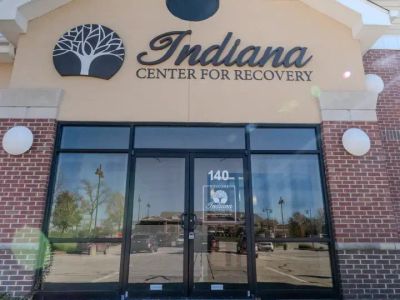
Indiana Center For Recovery - Alcohol & Drug Rehab Center Carmel
Carmel, Indiana
14555 Hazel Dell Pkwy #140, Carmel, IN 46033



Indiana Treatment Centers
Columbus, Indiana
1888 Poshard Dr, Columbus, IN 47203
Get Personalized Rehab Matches in 60 Seconds
Tell us a few details and we’ll show a personalized shortlist of verified Indiana rehabs, making it simple to compare options and choose your next step with confidence.






Evolve Indy
Indianapolis, Indiana
8770 Guion Rd, Indianapolis, IN, 46268

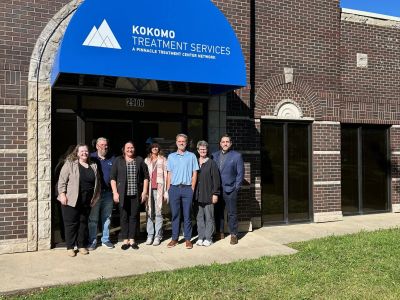

Pinnacle Treatment Centers - Kokomo
Kokomo, Indiana
2906 S. Reed Rd. Kokomo, IN 46902



Cardinal Recovery
Franklin, Indiana
1130 West Jefferson St, Franklin, IN, 46131



Indiana Center for Recovery - Alcohol & Drug Rehab Center Bedford
Bedford, Indiana
1600 23rd St, Bedford, IN 47421



The Loft Recovery
Kokomo, Indiana
1700 S Main St, Kokomo, IN 46902



First City Recovery Center
Kokomo, Indiana
317 W Jefferson St, Kokomo, IN, 46901



The Children Campus
Mishawaka, Indiana
1411 Lincolnway West, Mishawaka, IN 46544



Madison State Hospital
Madison, Indiana
711 Green Road, Madison, IN, 47250



Recovery Works Martinsville
Martinsville, Indiana
504 Grand Valley Blvd, Martinsville, IN 46151
Ascension Medical Group St Vincent - Lawrence Primary & Specialty Care
Indianapolis, Indiana
5629 Lee Rd Indianapolis, IN 46216
Pinnacle Treatment Centers - 581 E. Main Street
Hagerstown, Indiana
581 E. Main Street Hagerstown, IN 47346
Pinnacle Treatment Centers - 8955 Broadway
Merrillville, Indiana
8955 Broadway Merrillville, IN 46410
Southwestern Behavioral Healthcare - Faren E. Levell Center
Evansville, Indiana
410 Mulberry St. Evansville, IN 47713
Why Trust Indiana Rehabs
As Hoosiers helping Hoosiers, we understand the unique challenges our communities face. Our team meticulously verifies every Indiana treatment center, ensuring you find trusted, local care that truly understands your journey.
About our listingsLevels of Care
Explore popular treatment options by levels of care, from flexible treatment in Outpatient centers to intensive care in Residential rehabs.
Free · 24/7 · Confidential
Talk to a Treatment Specialist
Call now to get matched with Indiana facilities that accept your insurance.
(888) 568-9930
Free
Ins. check
4.9★
Rating
HIPAA
Protected
Can't travel to a facility?
Licensed Indiana therapists via secure video — same-week appointments, evenings & weekends available.
Living with addiction can feel like you’re stuck in a never-ending tug-of-war with your own thoughts and emotions, hands sore from holding the rope so tightly. What if the answer wasn’t to pull harder, but to simply drop the rope and step away from the struggle? There’s a path that invites you to do just that, learning to make space for difficult thoughts while moving forward with what really matters to you. acceptance and commitment therapy offers practical tools to help you shift from fighting your inner battles to building a life filled with meaning, even as you work through recovery.

What is acceptance and commitment therapy?
acceptance and commitment therapy, often called ACT, is an action-oriented approach to psychotherapy that helps you stop fighting with your inner pain and start living a life that truly matters to you. Instead of trying to suppress or eliminate difficult feelings, ACT teaches you the skills to live a rich, meaningful life right alongside them. It’s about making room for your emotions without letting them call the shots.
Developed by psychologist Steven C. Hayes, this therapy is built on a core concept called psychological flexibility. Think of it as the ability to stay grounded in the present moment, even when you’re dealing with unpleasant thoughts or feelings, and to choose your actions based on your deepest values. Unlike traditional cognitive behavioral therapy (CBT), which often focuses on changing or restructuring negative thoughts, ACT therapy helps you change your relationship *to* your thoughts. You learn to see them for what they are, just thoughts, rather than absolute truths that have to control your behavior.
What are the six core processes of ACT?
ACT is built on six core processes that work together to increase your psychological flexibility. These aren't steps you master one by one, but rather interconnected skills you practice. They are the pillars that help you build a more flexible and value-driven life. A 2005 analysis found that these principles play a significant role in mental health, accounting for much of the variance in psychopathology.
- Acceptance: This is about opening up and making room for painful feelings, sensations, and urges instead of trying to fight them. It’s not about liking the pain, but about allowing it to be there without a struggle.
- Cognitive Defusion: This skill involves learning to step back and observe your thoughts without getting entangled in them. It's like seeing your thoughts as passing cars rather than getting stuck in the traffic. You recognize that thoughts are just thoughts, not commands you must obey.
- Being Present: This is the practice of bringing your awareness to the here and now, with openness and curiosity. It's about connecting with the world directly rather than being lost in your thoughts about the past or future. This is a key component of mindfulness.
- Self-as-Context: This means seeing yourself as the observer of your thoughts and feelings, rather than the thoughts and feelings themselves. You are the sky, and your emotions are the weather passing through, ever-changing, but not the essence of who you are.
- Values: This involves discovering what is most important to you deep in your heart. What kind of person do you want to be? Your values become a guide, directing your life’s path and motivating change.
- Committed Action: This is about taking effective action, guided by your values, even if it brings up discomfort. It means setting meaningful goals and taking concrete steps toward them, building a life of purpose and meaning.
How It Works
In addiction treatment, ACT provides a powerful framework for change. It helps individuals stop the exhausting struggle with cravings, withdrawal symptoms, and painful memories. Instead of pouring energy into fighting these internal experiences, you learn to acknowledge them with acceptance and mindfulness. This frees you up to focus on what truly matters: taking committed, value-driven actions toward your recovery goals. The focus shifts from getting rid of "bad" feelings to building a "good" life, one where your choices are guided by your personal values, not by the pull of addiction. This approach has shown effectiveness in treating not just addiction, but also co-occurring conditions like anxiety and depression.
What are the benefits of acceptance and commitment therapy?
When individuals engage with ACT, they often experience a profound shift in their psychological well-being and overall quality of life. The benefits go beyond just managing symptoms; they help build a foundation for lasting change and resilience.
- Increased psychological flexibility: You become better at adapting to challenging situations without getting stuck.
- Reduced impact of painful thoughts: Cravings and negative self-talk lose their power to control your actions.
- Greater self-compassion: You learn to treat yourself with kindness, especially during difficult moments in recovery.
- Improved ability to handle stress: Mindfulness and acceptance skills help you navigate triggers and stressors more effectively.[1]
- A clearer sense of life purpose: By connecting with your values, you gain a sense of direction that guides your recovery journey.
Who is a good candidate for acceptance and commitment therapy?
ACT can be helpful for a wide range of individuals, especially those who feel "stuck" in a cycle of struggling with their own thoughts and feelings. If you've tried to control your cravings, anxiety, or painful memories and found it only made things worse, ACT offers a different path. It's particularly effective for people with substance use disorders, anxiety disorders, depression, OCD, and chronic pain. Many people dealing with addiction also face mental health challenges, and ACT is well-suited to address these co-occurring substance use disorders. More than any specific diagnosis, a good candidate is someone with a willingness to be open, curious, and ready to try a new way of relating to their inner world.
What are the risks of acceptance and commitment therapy?
While ACT is a gentle approach, it’s important to understand the challenges. The process of turning toward and making space for difficult feelings can be uncomfortable at first, especially if you’ve spent years avoiding them. This isn't a passive therapy; it requires active participation and a real commitment to taking value-driven actions outside of your sessions. It’s not a quick fix. Building psychological flexibility takes patience and consistent practice. Working with a skilled therapist can help you navigate these risks and ensure the process feels safe and supportive.
How to find an ACT Therapist
Finding the right therapist is a crucial step. You want someone who not only understands the principles of ACT but can also apply them with compassion to addiction treatment. A great place to start is right here. You can use our directory to explore treatment centers in Indiana that list ACT as one of their therapeutic offerings. You can often filter results to find practitioners who specialize in this approach.
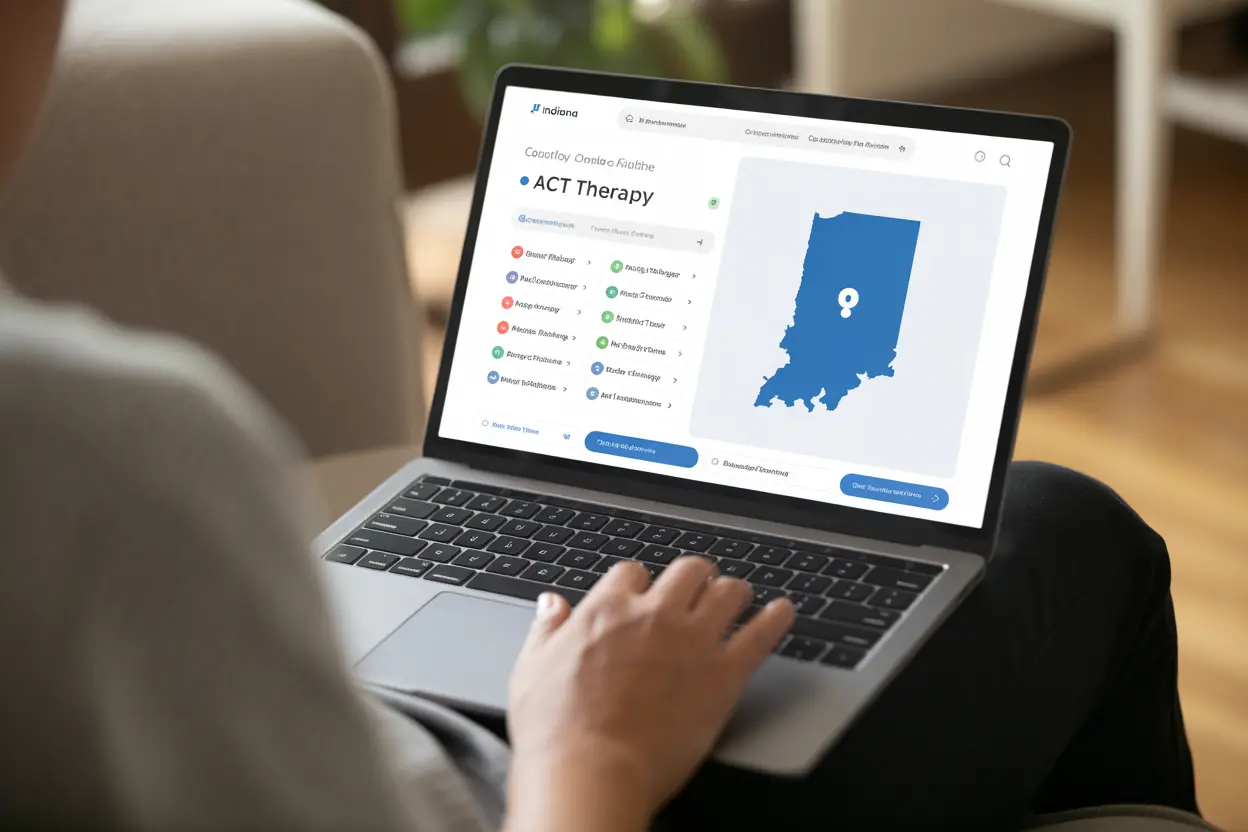
When you find a potential facility or therapist, look for specific mentions of the six core processes. Don’t hesitate to ask questions during an initial call. You could ask things like, "How do you incorporate ACT principles into addiction treatment?" or "What kind of training have you had in ACT?" A qualified practitioner will be happy to explain their approach. For more options, you can also check Indiana's official service provider directory for licensed professionals.
Take the Next Step in Your Recovery Journey
Choosing to seek help is a powerful step, and ACT is a compassionate, evidence-based approach that can help you build a meaningful life. Instead of being at war with your own mind, you can learn to move forward with purpose, guided by your deepest values. This is just one of many effective paths to recovery, and we encourage you to explore the resources and options available to find the right fit for you. Remember, you don't have to figure this out alone. The right support can make all the difference.
If you’re ready to stop struggling and start living, help is here. You can browse our list of Indiana facilities that offer ACT or call our confidential helpline at (888) 568-9930 for personalized guidance. The team at Indiana Rehabs is here to support you in finding the care you deserve. Please reach out to us today to start your journey toward a life filled with purpose and hope.
Frequently Asked Questions About ACT Therapy in Indiana
How is ACT different from other therapies like CBT?
Can ACT help with co-occurring disorders like anxiety and addiction?
What happens in a typical ACT therapy session for addiction?
How long does it take to see results from ACT?
Is ACT just about accepting my problems and doing nothing?
- Ghone-Bardaj, H. et al. (2024). Effectiveness of acceptance and commitment therapy on Mental Health and Well-Being in Adults: A Systematic Review and Meta-Analysis. Healthcare (Basel). pmc.ncbi.nlm.nih.gov