Rehabs Offering Art Therapy

Showing 20 of 26 Results (filtered)
Featured Rehab Centers

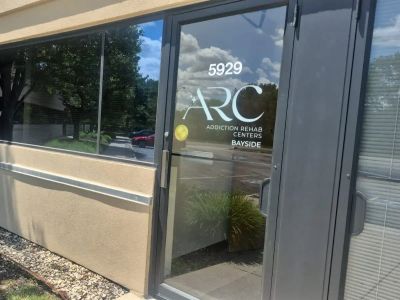

Addiction Rehab Centers - ARC At Bayside | Indianapolis Drug & Alcohol Rehab
Indianapolis, Indiana
5929 Lakeside Blvd, Indianapolis, IN 46278


Indiana Center for Recovery - Alcohol & Drug Rehab Center Jeffersonville
Jeffersonville, Indiana
601 N Shore Dr Suite 102-103, Jeffersonville, IN 47130


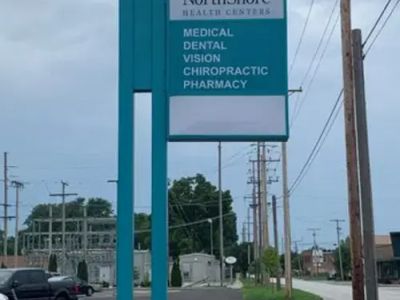
NorthShore Health Frontline Foundations
Chesterton, Indiana
801 Broadway Ave, Chesterton, IN 46304
Get Personalized Rehab Matches in 60 Seconds
Tell us a few details and we’ll show a personalized shortlist of verified Indiana rehabs, making it simple to compare options and choose your next step with confidence.


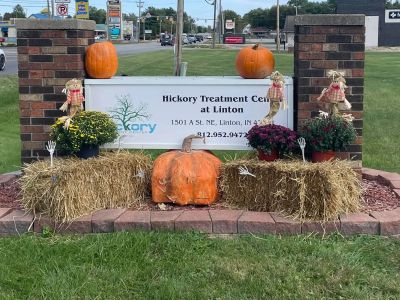
1501 A St NE, Linton, IN 47441
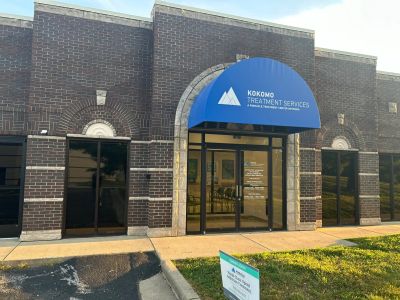
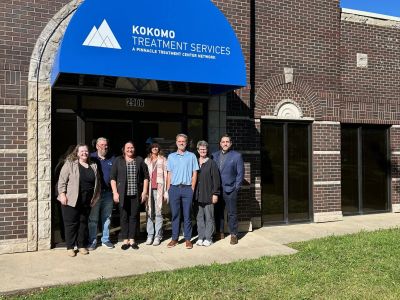
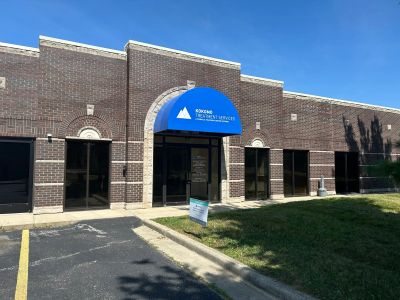
Pinnacle Treatment Centers - Kokomo
Kokomo, Indiana
2906 S. Reed Rd. Kokomo, IN 46902


Restored Life Continuum of Care
Kokomo, Indiana
302 S Reed Rd, Kokomo, IN 46901


Indiana Center for Recovery - Alcohol & Drug Rehab Center Bedford
Bedford, Indiana
1600 23rd St, Bedford, IN 47421

Indiana Center for Recovery
Bloomington, Indiana
1004 West 1st Street, Bloomington, IN, 47403
Indiana Center For Recovery - Alcohol & Drug Rehab Lafayette
Lafayette, Indiana
2529 Schuyler Ave #700, Lafayette, IN 47905


Centerstone Recovery Transitional Housing
Lexington, Indiana
2520 Parker Ln, Lexington, IN 47138
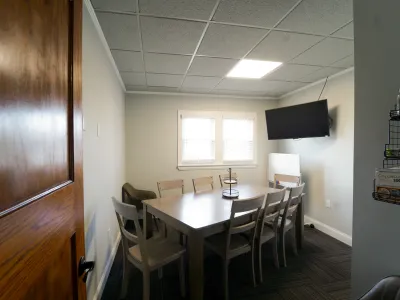
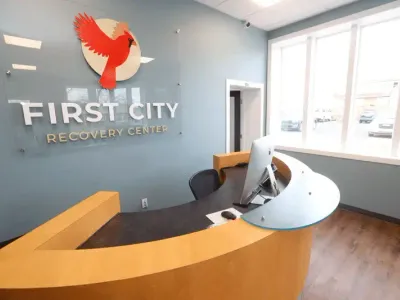
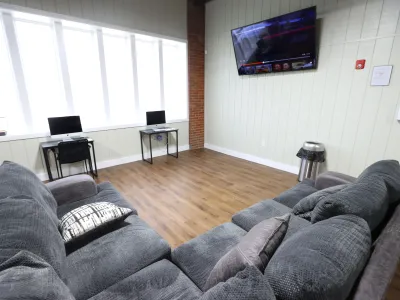
First City Recovery Center
Kokomo, Indiana
317 W Jefferson St, Kokomo, IN, 46901
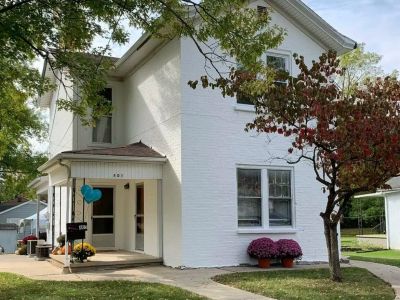
Centerstone Recovery Center
Richmond, Indiana
1811 S 9th St, Richmond, IN 47374


Willowstone Family Services
Lafayette, Indiana
615 N 18th St Ste101, Lafayette, IN 47904
Truth Treatment Center
Indianapolis, Indiana
7112 Madison Ave, Indianapolis, IN 46227

Addison Pointe Health & Rehabilitation Center
Chesterton, Indiana
780 Dickinson Rd, Chesterton, IN 46304



Madison State Hospital
Madison, Indiana
711 Green Road, Madison, IN, 47250



Recovery Works Martinsville
Martinsville, Indiana
504 Grand Valley Blvd, Martinsville, IN 46151
Wellstone Regional Hospital
Jeffersonville, Indiana
2700 Vissing Park Road, Jeffersonville, IN 47130

Midwest Center for Youth and Families - South Shore Academy
Valparaiso, Indiana
2301 Cumberland Drive, Valparaiso, IN 46383

Addiction Treatment Indianapolis
Indianapolis, Indiana
2401 Directors Row, Indianapolis, IN 46241
Why Trust Indiana Rehabs
As Hoosiers helping Hoosiers, we understand the unique challenges our communities face. Our team meticulously verifies every Indiana treatment center, ensuring you find trusted, local care that truly understands your journey.
About our listingsLevels of Care
Explore popular treatment options by levels of care, from flexible treatment in Outpatient centers to intensive care in Residential rehabs.
Free · 24/7 · Confidential
Talk to a Treatment Specialist
Call now to get matched with Indiana facilities that accept your insurance.
(888) 568-9930
Free
Ins. check
4.9★
Rating
HIPAA
Protected
Can't travel to a facility?
Licensed Indiana therapists via secure video — same-week appointments, evenings & weekends available.
Have you ever felt that words just aren’t enough to capture everything swirling inside you? Sometimes emotions, memories, and pain can feel too tangled or overwhelming for conversation alone. That’s where art comes in, it offers a gentle, hands-on way to untangle those feelings, giving you a language that doesn’t rely on perfect sentences. art therapy isn’t about being a skilled artist; it’s a proven, supportive path to healing and understanding yourself, one stroke or scribble at a time.
What is Art Therapy?
At its heart, art therapy is an integrative mental health profession that combines the creative process of making art with the principles of psychotherapy. It’s a unique approach that helps individuals explore their feelings, reconcile emotional conflicts, foster self-awareness, and improve their overall well-being. This isn't just about doodling to pass the time; it's a structured form of therapy guided by a trained professional.
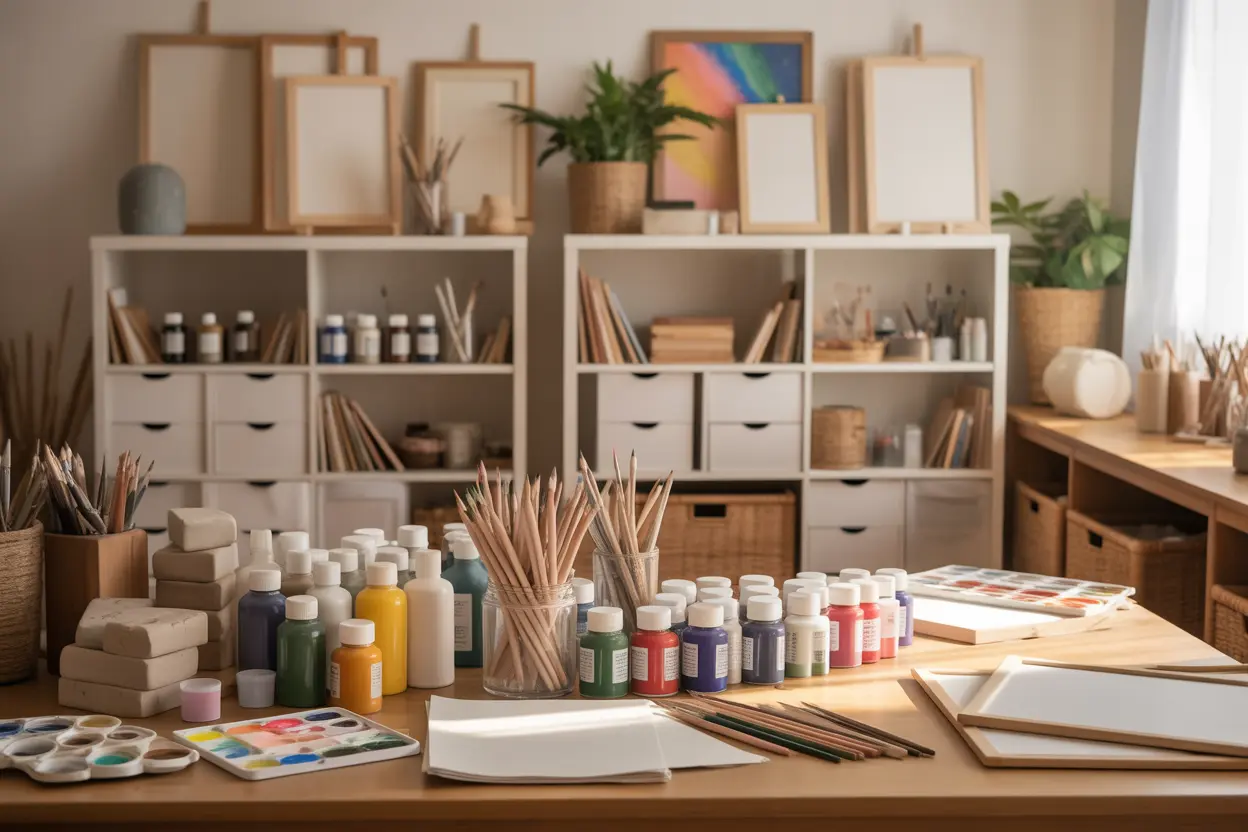
The entire process is facilitated by credentialed art therapists who are trained in both art and psychology. They create a safe, supportive space where you can use materials like paint, clay, collage, or pencils to express what’s on your mind. These professionals understand how the creative process can help unlock emotions and experiences that you might not be ready to talk about. Their role is to guide you, help you understand the artwork you create, and connect it to your personal journey toward healing and better mental health[1]. The goal is always self-exploration, not creating a masterpiece for a gallery.
You Don't Have to Be Artistic
One of the biggest myths about art therapy is that you need to be "good at art" to benefit from it. This couldn't be further from the truth. Your artistic ability is completely irrelevant here. There’s no pressure to create something beautiful or realistic. The focus is entirely on the creative process itself, the act of putting pencil to paper or hands to clay. It’s about your personal journey of self-expression in a space free from judgment. Whether you draw stick figures or detailed landscapes, the value lies in what the process brings up for you.
It's Not the Same as an Art Class
It's also important to understand the difference between an art class and an art therapy session. An art class is designed to teach you techniques and skills, like how to draw a portrait or use watercolors. The instructor’s goal is to improve your artistic talent. In contrast, art therapy uses the creative process to achieve therapeutic goals. Your art therapist isn't there to critique your shading or composition. Instead, they are a partner in a form of psychotherapy, helping you use art to explore your inner world, manage stress, and work through challenges in a confidential, therapeutic relationship.
How Art Therapy Works
So, how does scribbling on a page or shaping a piece of clay actually help you heal? art therapy works by tapping into a different part of your brain than traditional talk therapy. It’s a powerful form of non-verbal communication that allows clients to express feelings and memories that might be too painful, complex, or buried to put into words[2]. The process is a blend of a few key elements that work together to create a path toward understanding and relief.
Here’s a look at how these components come together in a session:
- Active Art-Making: The physical act of creating something, whether it's painting, drawing, or sculpting, is the foundation. This hands-on process allows you to engage with your emotions in a tangible way. It can be a release, a distraction, or a way to focus your thoughts. The artwork becomes a safe container for difficult feelings.
- Applied Psychological Theory: An art therapist is trained to apply psychological theories to the creative process. They might help you notice themes in your artwork, explore the meaning behind certain colors or shapes you choose, or guide you through a specific prompt designed to address your unique challenges. The therapist helps connect your creation to your life experiences.
- The Therapeutic Relationship: Just like in talk therapy, the relationship between you and your therapist is crucial. The therapist creates a trusting, non-judgmental environment where you feel safe to explore and be vulnerable. They don’t interpret your art for you; instead, they facilitate a conversation about what your artwork means to you, empowering you to find your own insights.
By bringing these elements together, art therapy offers a unique way for people to process emotions and gain a new perspective. It’s a way to see your struggles from a different angle and discover strengths you never knew you had. It complements other forms of therapy, like drama therapy, by offering another avenue for non-verbal expression.
Benefits of Art Therapy
Engaging in the creative process within a therapeutic setting can have a profound impact on your mental and emotional health. People who participate in art therapy often report a wide range of benefits that touch on everything from stress relief to a deeper understanding of themselves. It’s not just about feeling better in the moment; it’s about building lasting skills for managing life’s challenges.
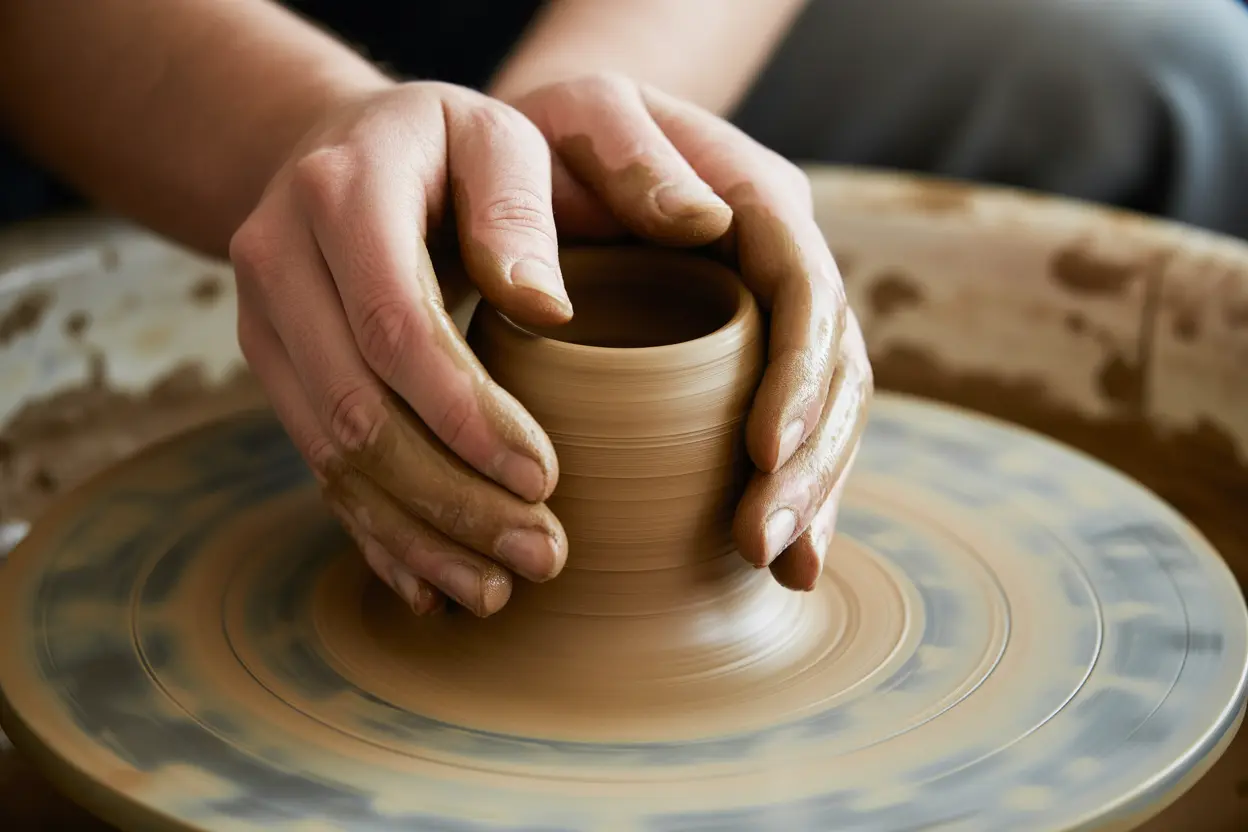
One of the most immediate benefits is stress reduction. The simple act of creating can be incredibly calming and meditative, helping to lower anxiety and quiet a racing mind. Research shows the process of making art can have a direct physiological effect, with one study finding that cortisol (the body's main stress hormone) levels were lowered in a significant majority of participants after an art-making session. Beyond stress relief, art therapy is known to improve self-esteem and foster greater self-awareness[3]. Finishing a piece of artwork, no matter how simple, provides a tangible sense of accomplishment. This process gives you a feeling of agency over your emotions and experiences, which can be especially powerful for anyone dealing with the effects of trauma or feeling a loss of control. It’s a gentle yet effective way to reconnect with yourself and rediscover your inner strength as part of a holistic approach to healing.
What Art Therapy Can Help With
art therapy is a versatile approach that can be adapted to help people of all ages, from young children to older adults, navigate a wide variety of life’s challenges. It can be used in sessions for individuals, couples, families, and groups, making it a flexible tool in mental healthcare. Whether it serves as the primary mode of treatment or as a supportive therapy alongside other methods, its applications are broad and impactful.
Many individuals find art therapy especially helpful for issues that are difficult to articulate, such as anxiety, depression, grief, and the complex feelings associated with chronic illness. It’s also a powerful tool for processing traumatic events and is frequently used in treating substance use disorders, as it offers a non-verbal outlet to explore underlying issues that contribute to addiction[4][2]. art therapy isn't a cure-all, but it is a valuable part of a comprehensive mental health treatment plan, offering a unique path to understanding and healing.
Post-traumatic stress disorder
For individuals living with post-traumatic stress disorder (PTSD), talking about traumatic experiences can be re-traumatizing. art therapy offers a way to approach these memories indirectly and safely. Creating a visual narrative of an event allows someone to externalize the trauma, placing it outside of themselves and onto the paper. This non-verbal expression can help individuals process what happened and regain a sense of control over their memories and emotions, which is a key step in healing from trauma disorders.
Schizophrenia
art therapy can be particularly beneficial for individuals with schizophrenia. The creative process can help ground a person in reality and provide a structured way to organize scattered thoughts. Expressing complex internal experiences through images can be easier and less intimidating than trying to verbalize them. In a group setting, it can also help improve social skills and reduce negative symptoms like emotional withdrawal by providing a shared, non-threatening activity that encourages connection and expression.
Eating disorders
For those struggling with eating disorders, issues of control, perfectionism, and body image are often central. art therapy provides a safe space to explore these sensitive topics without focusing directly on food or weight. The emphasis on the creative process, rather than the final product, can help individuals let go of perfectionism. It allows for the non-threatening expression of underlying emotions and identity struggles, helping people build a healthier relationship with themselves and their bodies.
Find an Art Therapist
Finding the right professional is the most important step in starting your art therapy journey. It’s essential to work with a qualified, credentialed art therapist who has the training to guide you safely and effectively. When you’re looking for a provider, there are a few key credentials to watch for. The most common are ATR (Registered Art Therapist) and ATR-BC (Board Certified Registered Art Therapist). These designations mean the therapist has completed a master's-level education and has undergone extensive post-graduate supervised experience[1]. The "BC" indicates they have passed a national board certification exam, representing the highest level of credentialing.

A great place to start your search is the American art therapy Association's therapist locator, which allows you to find credentialed professionals in your area. In Indiana, advocates are working to establish state licensure and expand Medicaid reimbursement, making art therapy more accessible[5]. When you contact a potential therapist, don't hesitate to ask questions. Inquire about their experience with your specific concerns, what you can expect from their sessions, and their overall therapeutic approach. Finding a therapist you feel comfortable with is key to a successful treatment experience.
Begin Your Creative Path to Healing
art therapy is so much more than just making art. It’s a respected, evidence-based form of psychotherapy that taps into the creative process to help you heal, grow, and understand yourself on a deeper level. It’s a path that’s open to everyone, no matter your background or artistic talent. The focus is always on your personal journey, providing a safe and supportive space to explore your feelings without needing the right words.
Taking the first step toward any kind of therapy can feel intimidating, but it's also a powerful move toward prioritizing your own well-being. Embracing art therapy is an act of self-compassion, giving yourself a new language to express your story and find relief. Your journey to healing is unique, and this creative process can be a transformative part of it.
If you're ready to explore how art therapy can support you, we're here to help. You can learn more about your options and find the right path forward by calling us at (888) 568-9930. At Indiana Rehabs, we are committed to connecting you with the care you deserve. For more information or to find help, please don't hesitate to contact us or explore our other valuable resources.
Frequently Asked Questions About Art Therapy
What happens in a typical art therapy session?
What kind of art supplies are used in art therapy?
How do I find a qualified art therapist in Indiana?
Can art therapy help with anxiety and stress?
What are the benefits of art therapy?
- American art therapy Association. (2025). State Advocacy. American art therapy Association. arttherapy.org
- Jain, R. & Jain, S. (2022). art therapy for mental health and well-being: A critical review. International Journal of Health Sciences. pmc.ncbi.nlm.nih.gov
- Jain, R. & Jain,S. (2022). art therapy for mental health and well-being: A critical review. International Journal of Health Sciences. pmc.ncbi.nlm.nih.gov
- National Endowment for the Arts. (03-20-2025). Addressing Substance Use Disorder with the Arts. National Endowment for the Arts. arts.gov
- Indiana art therapy Association. (n.d.). Advocacy. Indiana art therapy Association. indianaarttherapyassociation.org