
Biofeedback Therapy in Indiana



Showing 12 of 12 Results (filtered)
Featured Rehab Centers

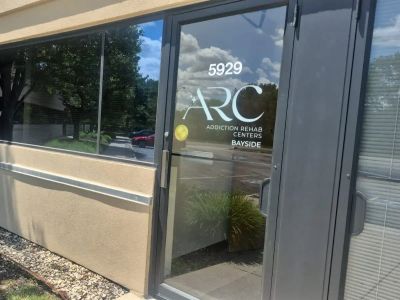

Addiction Rehab Centers - ARC At Bayside | Indianapolis Drug & Alcohol Rehab
Indianapolis, Indiana
5929 Lakeside Blvd, Indianapolis, IN 46278
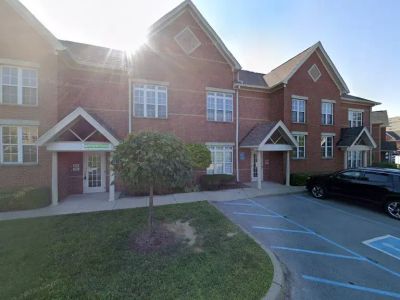


Indiana Center for Recovery - Alcohol & Drug Rehab Center Jeffersonville
Jeffersonville, Indiana
601 N Shore Dr Suite 102-103, Jeffersonville, IN 47130
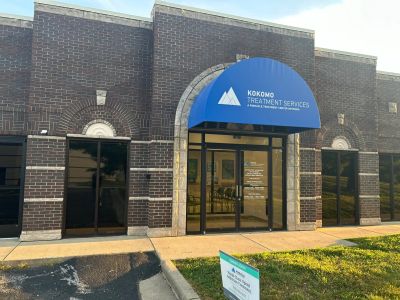
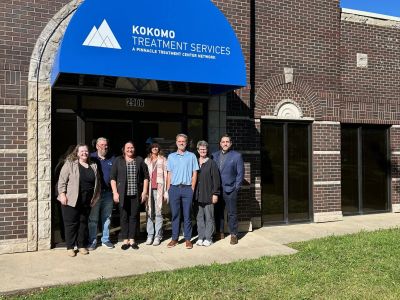
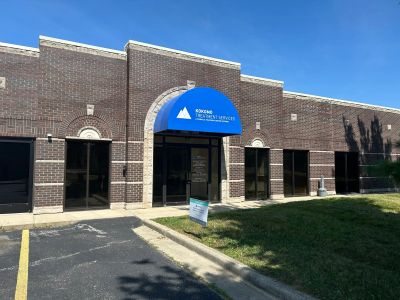
Pinnacle Treatment Centers - Kokomo
Kokomo, Indiana
2906 S. Reed Rd. Kokomo, IN 46902
Get Personalized Rehab Matches in 60 Seconds
Tell us a few details and we’ll show a personalized shortlist of verified Indiana rehabs, making it simple to compare options and choose your next step with confidence.



Indiana Center for Recovery - Alcohol & Drug Rehab Center Bedford
Bedford, Indiana
1600 23rd St, Bedford, IN 47421



Indiana Center for Recovery - Alcohol & Drug Rehab Center Indianapolis
Indianapolis, Indiana
5510 S Emerson Ave, Indianapolis, IN 46237

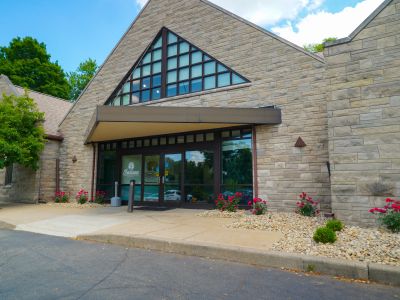

Indiana Center for Recovery
Bloomington, Indiana
1004 West 1st Street, Bloomington, IN, 47403
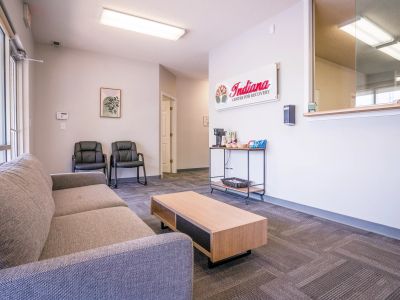
Indiana Center For Recovery - Alcohol & Drug Rehab Lafayette
Lafayette, Indiana
2529 Schuyler Ave #700, Lafayette, IN 47905



Indiana Center for Recovery- Alcohol & Drug Rehab Center Merrillville
Merrillville, Indiana
1578 E 85th Ave, Merrillville, IN 46410

First City Recovery Center
Kokomo, Indiana
317 W Jefferson St, Kokomo, IN, 46901



215 W 4th St, Mishawaka, IN 46544



Madison State Hospital
Madison, Indiana
711 Green Road, Madison, IN, 47250
Southwestern Behavioral Healthcare - Faren E. Levell Center
Evansville, Indiana
410 Mulberry St. Evansville, IN 47713
Why Trust Indiana Rehabs
As Hoosiers helping Hoosiers, we understand the unique challenges our communities face. Our team meticulously verifies every Indiana treatment center, ensuring you find trusted, local care that truly understands your journey.
About our listingsLevels of Care
Explore popular treatment options by levels of care, from flexible treatment in Outpatient centers to intensive care in Residential rehabs.
Free · 24/7 · Confidential
Talk to a Treatment Specialist
Call now to get matched with Indiana facilities that accept your insurance.
(888) 568-9930
Free
Ins. check
4.9★
Rating
HIPAA
Protected
Can't travel to a facility?
Licensed Indiana therapists via secure video — same-week appointments, evenings & weekends available.
Have you ever noticed your heart pounding or your shoulders tensing up before you even realize you’re stressed, and wished you could somehow tap a button to calm everything down? Sometimes it feels like our bodies are running their own show, leaving us feeling powerless in the face of anxiety or overwhelm. The good news is, you actually can learn to tune into those signals and gently guide them, using a safe, non-invasive approach called biofeedback. Taking an active role in your own well-being is not just possible, it can become a powerful part of your healing journey.

What is biofeedback?
At its heart, biofeedback therapy is a mind-body treatment that helps you gain more control over involuntary bodily functions. Think about things you don't normally manage consciously, like your heart rate, blood pressure, or muscle tension. biofeedback uses technology to give you real-time feedback about what your body is doing, so you can learn to influence these processes yourself.
It’s a bit like looking in a mirror to fix your posture. You might not realize you’re slouching until you see your reflection. The mirror gives you the feedback you need to stand up straight. Similarly, biofeedback provides information about your internal state, empowering you to make subtle changes. For example, by watching your heart rate on a screen, you can practice breathing exercises and see instantly how they help slow it down. This process isn't about a machine fixing you; it’s about you learning to use your mind to guide your body. It's a non-invasive way to take an active role in your own health and treatment, giving you a powerful tool for self-regulation and healing.
How does biofeedback work?
The idea of controlling your body's automatic functions might sound complex, but the process of biofeedback is surprisingly straightforward. It works in a clear, step-by-step loop that connects your mind to your body with the help of technology and a guiding therapist.
First, a therapist will attach painless sensors to your skin. These sensors are designed to pick up specific electrical signals from your body. For instance, they might be placed on your shoulders to measure muscle tension, on your fingers to track skin temperature, or on your scalp to monitor brainwave activity. It’s completely non-invasive and doesn't hurt at all.
Next, these sensors send the information to a monitoring device, which translates the signals into feedback you can easily understand. This feedback might appear as a graph on a screen, a flashing light, or a sound that changes in pitch. If you’re working on muscle tension, you might see a line on a graph drop lower as your muscles relax. If you’re practicing calming techniques, a pleasant tone might sound when your heart rate slows down. This immediate feedback is the key, it makes the invisible, visible.
Finally, with this new awareness, you start learning to control your body’s responses. Your therapist will guide you through different techniques, such as deep breathing, mindfulness, or visualization. As you practice, you’ll see how your thoughts and mental exercises directly affect the feedback on the screen. Over time, you’ll learn to recognize the physical signs of stress and calm yourself down without needing the monitor. You’re essentially training your body to respond in a healthier way.
What happens during biofeedback therapy?
A typical biofeedback session feels like a guided training for your mind and body. When you arrive, you'll start by talking with your therapist about your goals for the treatment. Each session is tailored to you, whether you're looking to manage anxiety, reduce headaches, or improve focus. These sessions usually last between 30 and 60 minutes.
Once the sensors are in place, your therapist will guide you through various relaxation or mental exercises. As you do them, you'll both watch the monitor to see how your body responds. The therapist helps you understand the connection between what you're thinking or feeling and the physical feedback you're seeing. The goal isn't just to make changes during the sessions, but to equip you with skills you can use in your everyday life. Your therapist will give you techniques to practice at home, so you can continue to build on your progress and manage your symptoms long after you’ve left the office.
Types of biofeedback
biofeedback isn't a one-size-fits-all approach. The type of therapy used depends entirely on your specific health goals and the bodily functions you want to influence. A therapist will help determine the best method for you. Here are some of the most common types:
- Electromyography (EMG): This type measures muscle activity and tension. It's often used to help with tension headaches, chronic pain, back pain, and physical rehabilitation after an injury. Sensors are placed over specific muscles to give you feedback on when they are tense or relaxed.
- Thermal (Temperature): Thermal biofeedback measures your skin temperature, usually from your fingers or feet. When you’re stressed, your body diverts blood to your major muscles, causing your hands and feet to get colder. This method is very effective for treating stress, anxiety, and certain types of headaches like migraines.
- neurofeedback or Electroencephalography (EEG): Also known as neurofeedback, this type directly measures brain waves. Sensors are placed on the scalp to track different types of brain activity. It is commonly used to help with ADHD, anxiety, PTSD, and sleep disorders by training the brain to produce more calm and focused brain wave patterns.
- Heart Rate Variability (HRV): This measures the tiny variations in time between your heartbeats. A higher HRV is linked to better health and a more resilient nervous system. This form of biofeedback is excellent for managing anxiety, stress, and even conditions like asthma by teaching you breathing techniques that regulate your heart rate.
- Galvanic Skin Response (GSR): This method, also called electrodermal activity (EDA) training, measures the activity of your sweat glands. Your skin’s conductivity changes when you’re emotionally aroused or stressed. It’s particularly useful for treating anxiety, phobias, and other conditions related to emotional responses.
Each of these methods provides a unique window into your body's functioning, giving you the power to make targeted changes for better health and well-being[1].

What are the potential benefits of this treatment?
biofeedback is a versatile treatment that can offer significant benefits for a wide range of physical and mental health conditions. It’s often integrated into a broader treatment plan to enhance results and empower you with self-management skills. One of its greatest advantages is that it is non-invasive and can often reduce the need for medication.
Here are some of the key benefits of this treatment:
- Manages Anxiety and Stress: It provides you with real-time feedback on your body's stress response, like a rapid heart rate or tense muscles. By learning techniques to calm these responses, you can better manage symptoms of anxiety and daily stress.
- Reduces Chronic Pain: biofeedback has proven effective for conditions often triggered or worsened by stress, such as tension headaches, migraines, and chronic back pain. By learning to relax specific muscles, you can experience significant pain relief.
- Improves Focus: neurofeedback, a specialized form of biofeedback, is widely used to help those with ADHD improve their attention and concentration. It trains the brain to stay in a more focused state.
- Aids in Substance Use Disorder Treatment: Research shows that neurofeedback can be a valuable tool in treating substance use disorders by helping to normalize brainwave patterns disrupted by long-term substance use[2].
- Helps Physical Rehabilitation: After an injury or stroke, biofeedback can help you regain control over muscles by re-establishing the mind-body connection.
- Addresses Incontinence: It can be highly effective for treating urinary and fecal incontinence by teaching you how to strengthen and control your pelvic floor muscles.
What are the risks of this treatment?
One of the most reassuring aspects of biofeedback is that it is considered extremely safe. Because it's a non-invasive training process, the risks and side effects are minimal to non-existent for most people. You are simply learning to control your own body, with technology acting as a guide rather than an active intervention.
The most common issue reported is minor skin irritation from the adhesive used to attach the sensors, but this is temporary and easily resolved. In some rare cases, particularly when addressing deep-seated trauma or anxiety, confronting your body's physiological responses can initially feel unsettling. However, a qualified therapist is trained to guide you through these feelings safely and supportively, making sure the experience is productive, not overwhelming.
Overall, biofeedback is a safe option for a wide range of individuals, including children and those who may not be able to take certain medications. It’s always best to work with a certified professional to ensure the treatment is appropriate for your specific condition and administered correctly.
Can you do biofeedback on yourself?
This is a common question, especially with the rise of wearable technology and wellness apps. The answer is yes and no. There's a difference between clinical biofeedback training and using consumer devices at home. Many apps and wearable gadgets offer features that track your heart rate, breathing, or skin temperature, providing a form of biofeedback. These can be great tools for general relaxation, stress management, and mindfulness practice.
However, if you're looking to treat a specific medical or mental health condition, it is crucial to work with a trained therapist. A certified professional can properly assess your condition, choose the right type of biofeedback, and correctly interpret the feedback. They create a structured treatment plan and teach you how to apply the skills you learn to your specific symptoms. While at-home devices can supplement your practice, they can't replace the expertise and personalized guidance of a qualified practitioner for serious health concerns.
How can I find a qualified practitioner?
Finding the right provider is key to a successful biofeedback experience. You’ll want to look for a licensed healthcare professional who has specific training and certification in biofeedback. The most respected credential to look for is certification from the biofeedback Certification International Alliance (BCIA). This ensures your provider has met rigorous standards for education and training.
When you contact a potential therapist, don't hesitate to ask questions. You might ask, "What is your experience treating my specific condition with biofeedback?" or "What type of biofeedback do you specialize in?" A good provider will be happy to discuss their approach and help you feel comfortable.
It’s also a good idea to check with your insurance provider about coverage. While some plans cover biofeedback for certain conditions, others may not. In Indiana, for example, biofeedback is generally not a covered service under Medicaid[3][4]. You can find more information about Medicare coverage rules for biofeedback to see if you qualify under their guidelines. To start your search, you can use our directory to find Indiana facilities offering biofeedback therapy and other mental health services.
Which healthcare providers use biofeedback?
biofeedback is used by a wide range of licensed healthcare providers who have undergone specialized training. The type of professional you see will often depend on the condition you need to address. For example, you might work with a physical therapist for muscle rehabilitation after an injury, whereas a psychologist would be the right choice for managing anxiety or ADHD.
Professionals who commonly use biofeedback in their practice include:
- Psychologists and counselors
- Physical therapists
- Occupational therapists
- Physicians and nurses
- Social workers
No matter their primary specialty, it’s important to ensure they are certified in biofeedback to provide you with safe and effective treatment.
Your Path to Greater Control and Well-Being
biofeedback therapy offers a powerful and hopeful path forward. It’s more than just a treatment; it’s a skill that puts you back in control of your own health and well-being. By learning to listen to your body and guide its responses, you gain a tool that can help you manage stress, reduce pain, and improve your focus for a lifetime. This safe, evidence-based approach empowers you to play an active role in your healing journey, moving from feeling powerless to feeling capable.
If you’re ready to take the next step toward a calmer, healthier life, help is available. You can call us at (888) 568-9930 to speak with a compassionate specialist, or explore treatment options through our directory at Indiana Rehabs. Taking that first step can feel daunting, but it’s a brave move toward lasting change. Please reach out to us when you're ready.
Frequently Asked Questions About Biofeedback Therapy
How much does biofeedback therapy cost in Indiana?
Is biofeedback therapy covered by insurance?
How many sessions will I need to see results?
What’s the difference between biofeedback and mindfulness?
Who is a good candidate for biofeedback therapy?
- Centers for Medicare & Medicaid Services. (01-01-2011). biofeedback Therapy (30.1). CMS.gov. cms.gov
- Sokhadze, T. M., Cannon, R. L., & Trudeau, D. L. (2008). EEG biofeedback as a Treatment for Substance Use Disorders. The Primary Care Companion to the Journal of Clinical Psychiatry. pmc.ncbi.nlm.nih.gov
- Department of Health & Human Services. (06-21-2023). Indiana State Plan Amendment IN-23-0006. Medicaid.gov. medicaid.gov
- Indiana Health Coverage Programs. (02-22-2022). Behavioral Health Services. IN.gov. in.gov