
Brief Intervention Therapy in Indiana



Showing 9 of 9 Results (filtered)
Featured Rehab Centers

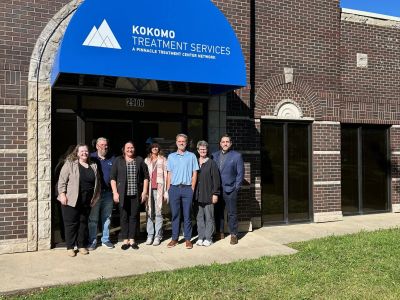
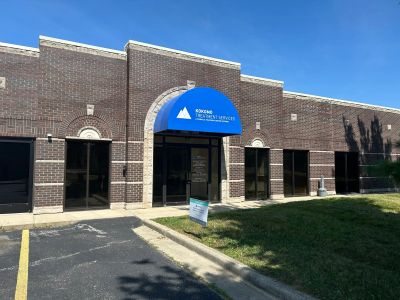
Pinnacle Treatment Centers - Kokomo
Kokomo, Indiana
2906 S. Reed Rd. Kokomo, IN 46902



Avenues Recovery Center at Indianapolis
Indianapolis, Indiana
7960 Shadeland Ave, Indianapolis, IN 46250

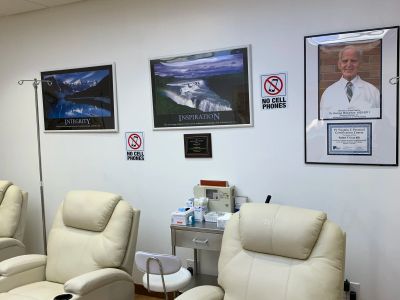
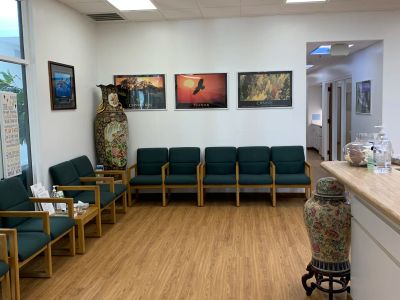
Kentuckiana Integrative Medicine
Jeffersonville, Indiana
405 E Court Ave #102, Jeffersonville, IN 47130
Get Personalized Rehab Matches in 60 Seconds
Tell us a few details and we’ll show a personalized shortlist of verified Indiana rehabs, making it simple to compare options and choose your next step with confidence.
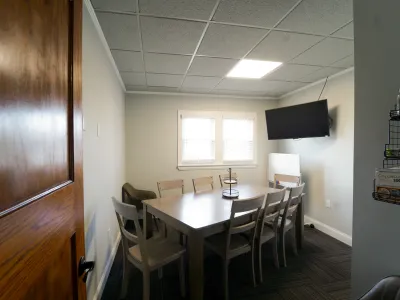

First City Recovery Center
Kokomo, Indiana
317 W Jefferson St, Kokomo, IN, 46901


Recovery Journey
Elkhart, Indiana
3110 Windsor Court, Elkhart, IN, 46514


The Children Campus
Mishawaka, Indiana
1411 Lincolnway West, Mishawaka, IN 46544
Pinnacle Treatment Centers - 581 E. Main Street
Hagerstown, Indiana
581 E. Main Street Hagerstown, IN 47346
Regional Mental Health Center - 4022 Hohman Avenue
Hammond, Indiana
4022 Hohman Ave, Hammond IN 46327
Southwestern Behavioral Healthcare - Faren E. Levell Center
Evansville, Indiana
410 Mulberry St. Evansville, IN 47713
Why Trust Indiana Rehabs
As Hoosiers helping Hoosiers, we understand the unique challenges our communities face. Our team meticulously verifies every Indiana treatment center, ensuring you find trusted, local care that truly understands your journey.
About our listingsLevels of Care
Explore popular treatment options by levels of care, from flexible treatment in Outpatient centers to intensive care in Residential rehabs.
Free · 24/7 · Confidential
Talk to a Treatment Specialist
Call now to get matched with Indiana facilities that accept your insurance.
(888) 568-9930
Free
Ins. check
4.9★
Rating
HIPAA
Protected
Can't travel to a facility?
Licensed Indiana therapists via secure video — same-week appointments, evenings & weekends available.
Have you ever caught yourself pouring that extra glass after a long day or reaching for something to take the edge off, thinking, "Maybe I should ease up," but the idea of intensive treatment just feels overwhelming or out of place? That in-between space, where you see a habit forming but you’re not in full-blown crisis, is far more common than you might realize. The encouraging thing is, there’s an effective and approachable middle ground that offers real support and practical steps for change, without jumping straight into long-term rehab.
What is brief intervention therapy?
At its heart, brief intervention therapy is a short, structured conversation designed to help you see a risky or unhealthy behavior more clearly and find your own motivation to change it. Think of it less as a formal therapy session and more as a guided, collaborative talk with a healthcare professional. It’s a proven, evidence-based practice that respects your autonomy, helping you connect the dots between your actions and your personal goals without judgment or pressure.
The primary goal isn't to diagnose or label you, but to raise your awareness about the potential risks of your current habits. Whether it involves substance use or another behavior, the conversation is meant to be a supportive checkpoint. It helps you explore the pros and cons of making a change, and if you’re open to it, can serve as a bridge to more structured support. It’s a way of asking, "Where are you now, where do you want to be, and how can I help you get there?" These short, focused brief intervention therapies are all about planting a seed of change and giving you the tools to help it grow.
Key characteristics of brief interventions:
- Short Duration: True to its name, these interventions are brief, often lasting just one to five short sessions. The goal is to make a meaningful impact without a major time commitment.
- Non-Confrontational: The approach is built on empathy and support, not confrontation. The therapist acts as a partner, creating a safe space for an honest conversation about the client's behavior and goals.
- Personalized Feedback: The conversation is tailored specifically to you. It often involves reviewing screening results and discussing how your habits compare to general health guidelines or the habits of others, providing personal context for your risk.
- Motivational: Instead of telling you what to do, the focus is on helping you find your own reasons for change. It leans heavily on principles of motivational interviewing to strengthen your commitment to your well-being.
- Action-Oriented: A successful intervention ends with a clear, achievable plan. You'll leave with concrete, practical steps you can take right away to move toward your goals.
How Brief Intervention Works and Who It Helps

It’s natural to feel a little hesitant about talking to someone about personal habits. But a brief intervention is designed to feel more like a helpful check-in than a clinical procedure. The process is straightforward and client-focused, often following a model known as SBIRT, which stands for Screening, brief intervention, and Referral to Treatment.
It typically starts with a simple screening, maybe a questionnaire you fill out at your doctor's office. This quick assessment helps identify any potential health risks associated with your habits. If the screening suggests a concern, a provider will initiate a conversation. They'll offer clear, personalized feedback about their findings in a non-judgmental way. From there, the conversation is yours to direct. You and the therapist will explore your feelings about making a change, set a realistic goal together, and discuss different strategies for getting there. It’s a partnership where your input is the most important part of the plan.
What behaviors can it help?
brief intervention is a versatile tool that can be applied to a range of behaviors that fall into the mild-to-moderate risk category. It’s most effective when a habit has started to become a concern but hasn't yet led to severe consequences. Some of the most common behaviors it addresses include:
- Risky Alcohol Use: This is one of the most well-researched areas for brief intervention. It's highly effective for individuals who are drinking more than the recommended guidelines but may not have a severe alcohol use disorder.
- Tobacco and Nicotine Use: A brief conversation with a healthcare provider has been shown to significantly increase the chances that someone will try to quit smoking.
- Illicit Drug Use: For individuals using substances like cannabis or other drugs recreationally, a brief intervention can highlight the health risks and motivate a reduction in use.
- Other Unhealthy Behaviors: The principles of brief intervention can also apply to things like diet, exercise, or managing prescription medications, helping people make healthier choices in many areas of life.
Effectiveness of brief intervention
So, does it actually work? Yes, overwhelmingly so. Decades of research have shown that brief intervention is a powerful and cost-effective tool for reducing risky substance use. Its efficacy lies in its timing and its approach. By intervening early, it can help people change their trajectory before a mild concern becomes a severe addiction. It meets people where they are, offering practical support without demanding a commitment to long-term treatment that they may not be ready for.
The ideal candidate is someone who is starting to question their habits but isn't experiencing severe dependence. It's for the person who recognizes a pattern and is open to exploring change. However, it's important to know its limits. brief intervention is not designed for individuals with severe substance use disorders or complex mental health conditions. For them, a more comprehensive addiction assessment is the necessary first step to determine the right level of care.
Brief Intervention vs. Long-Term Treatment
Understanding the difference between brief intervention and long-term treatment is key to finding the right support. They aren't competing approaches; instead, they are different tools for different stages of a person’s journey. Think of it as a continuum of care, where each level of support is designed to meet a specific need.
brief intervention is an early-stage strategy. It’s like a check-up for your habits, designed to catch potential problems before they escalate. Long-term treatment, on the other hand, is for more established substance use disorders where dependence has taken hold and is causing significant life problems. It involves a deeper dive into the root causes of addiction through therapies and structured support over weeks or months.
brief intervention may be for you if:
- You're concerned about your substance use but don't feel it's out of control.
- Your habits are starting to create small problems, but not major life disruptions.
- You are ambivalent about change and want to explore your options without pressure.
Long-term treatment may be for you if:
- You've tried to cut back or quit on your own but haven't been able to.
- Your substance use is causing serious issues with your health, work, or relationships.
- You are experiencing signs of physical or psychological dependence.
One is not better than the other; they simply serve different purposes. brief intervention can be a powerful first step that resolves the issue on its own, or it can be the conversation that helps someone realize they need a higher level of care, like outpatient treatment.
Finding Brief Intervention Therapy in Indiana

One of the biggest strengths of brief intervention is that it’s often available right where you already go for healthcare. Here in Indiana, you don't necessarily have to find a specialty addiction clinic to access this kind of support. It's frequently offered in everyday settings, making it convenient and destigmatized.
You can often find these services at:
- Your primary care doctor's office
- Community health clinics
- University wellness centers
- Emergency departments or urgent care centers
Starting the conversation is as simple as asking your doctor during your next check-up. You can say something like, "I have some concerns about my drinking habits and I'd like to talk about it." This opens the door for your provider to conduct a screening and initiate a supportive conversation. If you're looking for facilities that specialize in addiction treatment, many offer brief intervention as part of their services. Our directory can help you find programs across Indiana that provide this valuable first step.
Take the First Step Toward Change
Recognizing that you might want to make a change is a huge step, and you don’t have to figure it all out alone. brief intervention therapy offers a low-pressure, supportive space to explore your options and build the motivation to move forward. It’s a powerful reminder that taking care of your health is a process, and every small step in the right direction matters.
Whether it becomes the one conversation that helps you shift your habits or the gateway to more in-depth support, it’s a positive move toward a healthier future. You have options, and you have the strength to pursue your goals. Exploring those options is a sign of that strength.
Taking the first step is often the hardest, but it’s a decision you’ll never regret. If you're ready to explore what change could look like for you or a loved one, we’re here to help. You can browse treatment providers in your area or call us for a confidential conversation at (888) 568-9930. The team at Indiana Rehabs is here to provide the information you need. Please don't hesitate to contact us to start your journey.