
Case Management Therapy in Indiana



Showing 20 of 93 Results (filtered)
Featured Rehab Centers

91 West Mound Street, Nashville, IN 47448

Hamilton Center Inc: Mathew Maleakal S MD
Terre Haute, Indiana
620 8th Ave, Terre Haute, IN 47804
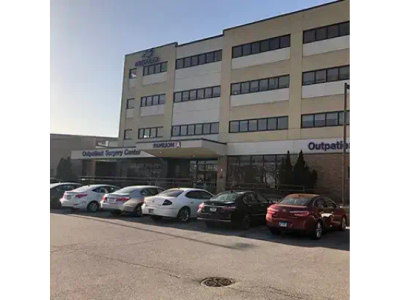
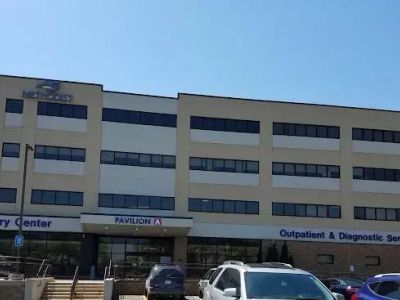
Methodist Hospitals Rehab Center
Merrillville, Indiana
101 E 87th Avenue Pavilion A, Third Floor, Merrillville, IN 46410
Get Personalized Rehab Matches in 60 Seconds
Tell us a few details and we’ll show a personalized shortlist of verified Indiana rehabs, making it simple to compare options and choose your next step with confidence.


Recover Together - Martinsville
Martinsville, Indiana
225 Morton Ave Martinsville, IN 46151
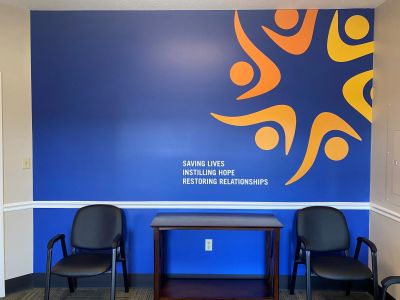
Spero Health - Connersville
Connersville, Indiana
531 North Central Avenue Suite 6, Connersville, IN 47331
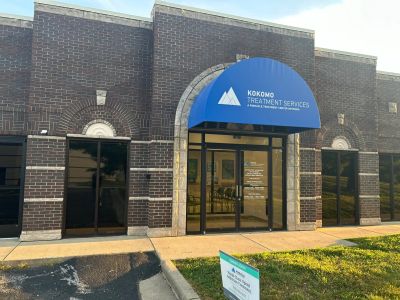
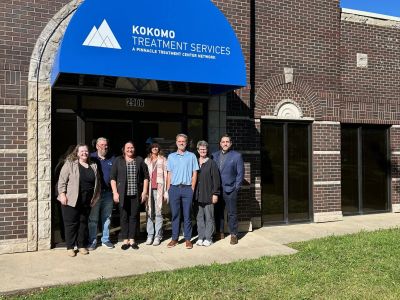
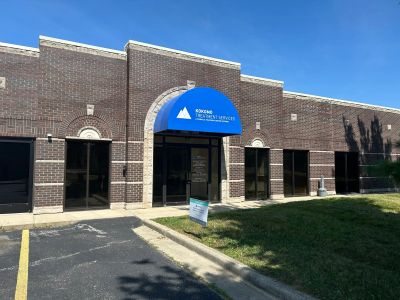
Pinnacle Treatment Centers - Kokomo
Kokomo, Indiana
2906 S. Reed Rd. Kokomo, IN 46902

Groups Recover Together
Washington, Indiana
100 A Cherry Tree Plaza, Washington, IN 47501
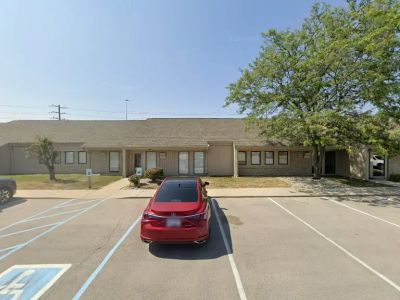
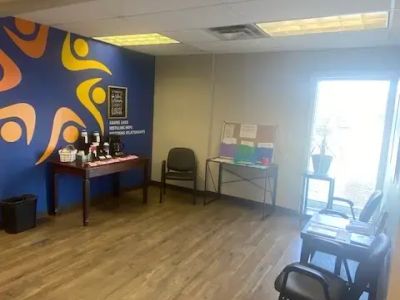

Spero Health - Indianapolis
Indianapolis, Indiana
8202 Clearvista Parkway, Suite 6D, Indianapolis, IN 46256
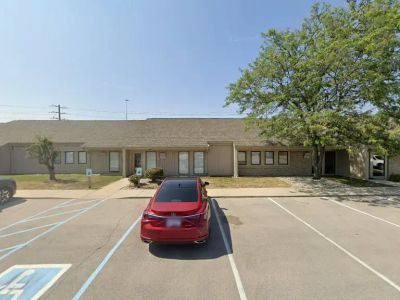
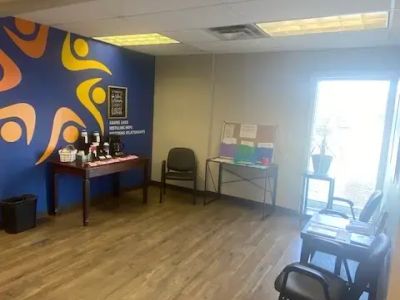

SperoHealth - Indianapolis
Indianapolis, Indiana
8202 Clearvista Parkway, Indianapolis, IN, 46256


Avenues Recovery Center at Indianapolis
Indianapolis, Indiana
7960 Shadeland Ave, Indianapolis, IN 46250
Centerstone Recovery Center
Bloomington, Indiana
809 W 1st St, Bloomington, IN 47403

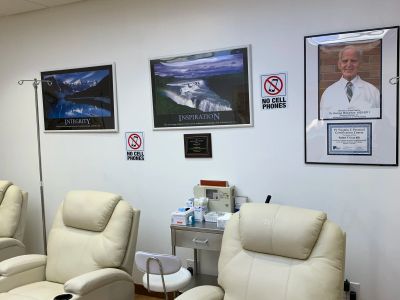
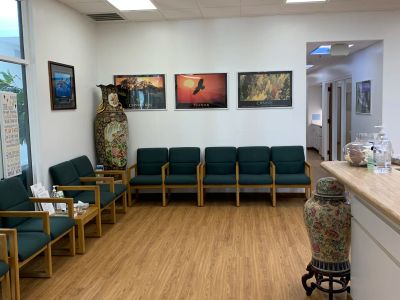
Kentuckiana Integrative Medicine
Jeffersonville, Indiana
405 E Court Ave #102, Jeffersonville, IN 47130

Southwestern Behavioral Healthcare - Gibson Regional Services
Princeton, Indiana
310 South 5th Avenue, Princeton, IN 47670

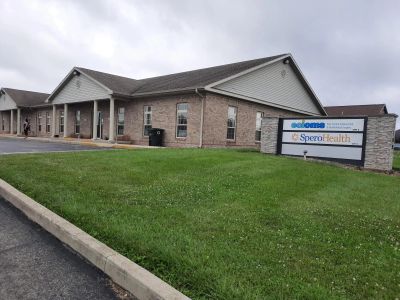

SperoHealth - Muncie
Muncie, Indiana
3700 North Briarwood Lane, Muncie, IN, 47304
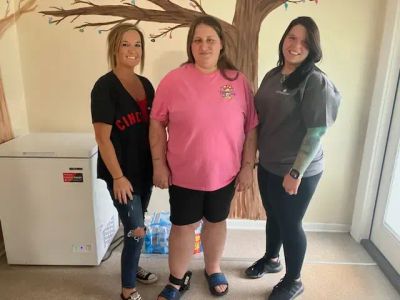
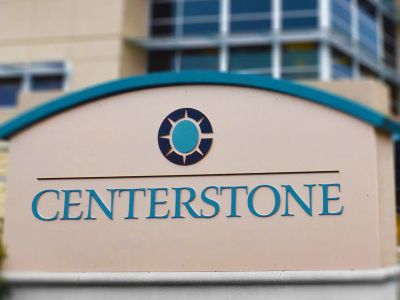

Centerstone Recovery Transitional Housing
Lexington, Indiana
2520 Parker Ln, Lexington, IN 47138
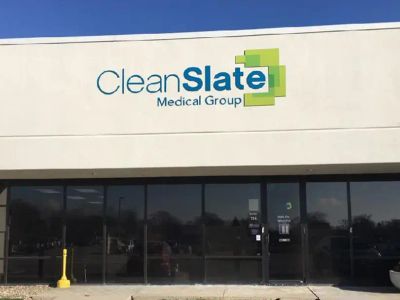
CleanSlate Outpatient Addiction Medicine
Greenwood, Indiana
65 Airport Pkwy #114, Greenwood, IN 46143
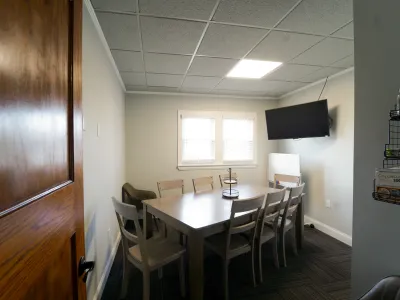
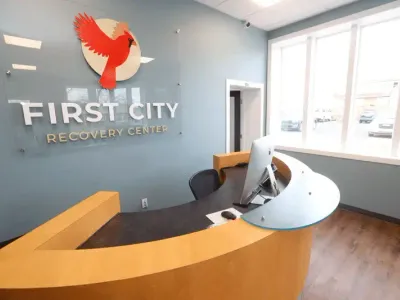
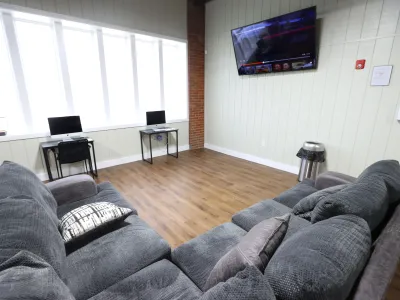
First City Recovery Center
Kokomo, Indiana
317 W Jefferson St, Kokomo, IN, 46901



Lafayette Regional Rehabilitation Hospital
Lafayette, Indiana
950 Park E Blvd, Lafayette, IN 47905
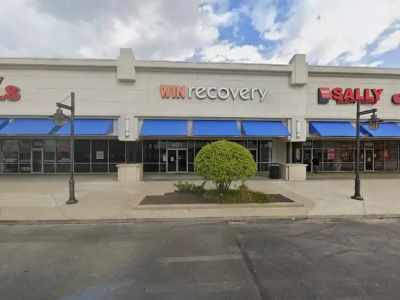

WIN Recovery
Plainfield, Indiana
401 Plainfield Commons Dr, Plainfield, IN 46168

Aperion Care Vincennes
Vincennes, Indiana
3801 Old Bruceville Rd, Vincennes, IN 47591
Why Trust Indiana Rehabs
As Hoosiers helping Hoosiers, we understand the unique challenges our communities face. Our team meticulously verifies every Indiana treatment center, ensuring you find trusted, local care that truly understands your journey.
About our listingsLevels of Care
Explore popular treatment options by levels of care, from flexible treatment in Outpatient centers to intensive care in Residential rehabs.
Free · 24/7 · Confidential
Talk to a Treatment Specialist
Call now to get matched with Indiana facilities that accept your insurance.
(888) 568-9930
Free
Ins. check
4.9★
Rating
HIPAA
Protected
Can't travel to a facility?
Licensed Indiana therapists via secure video — same-week appointments, evenings & weekends available.
Feeling lost in a maze of appointments, insurance forms, and endless treatment options? If so, know that you’re not alone, it’s easy to feel overwhelmed when every step forward seems to reveal another turn in the road. That’s where case management comes in, offering not just a roadmap but a steady, caring presence to help you find your way. With the right support, the path ahead becomes clearer, and the journey a little less daunting.
What Is Case Management Therapy?
Think of case management therapy as having a project manager for your recovery journey. It’s not a specific type of counseling, but a collaborative and practical approach to coordinating all the different pieces of your care. The main goal is to make the entire healthcare process smoother and more effective for you. A case manager works with you to identify your needs, connect you with the right support services, and ensure that your addiction treatment and mental health care are comprehensive and accessible[1]. In Indiana, these services are designed to help individuals gain access to necessary medical, social, and educational services to meet their basic needs[2].
The Role of a Case Manager in Addiction Recovery
Your case manager is your personal advocate and central point of contact throughout the recovery process. They are the person who helps connect the dots between your medical providers, therapists, and other life needs, like housing or employment. From the very beginning, they conduct a thorough assessment to understand your unique situation and help create a personalized care plan[3]. Their job is to remove barriers so you can focus entirely on getting well.

Key Responsibilities of a Case Manager
- Assessment: Your case manager starts by getting to know you, your history, strengths, and challenges. This client assessment helps identify your specific needs for a successful recovery.
- Care Planning: They work with you and your treatment team to create a comprehensive recovery plan with clear, achievable treatment goals. This plan acts as a roadmap for your journey.
- Resource Coordination: A huge part of their role is connecting you to vital resources. This could mean helping you apply for health insurance, finding transportation to appointments, or securing a spot in a program that offers sober living housing.
- Monitoring: Your case manager checks in with you regularly to see how you're progressing. They help you navigate any challenges that come up and adjust your care plan as needed to ensure the best possible treatment outcomes.
- Client Advocacy: Above all, your case manager is your champion. They speak up for you, ensure your rights are protected, and help you communicate effectively with doctors, therapists, and social service agencies.
What Are the Benefits of Case Management?
Having a case manager on your side can make a world of difference. It means less time worrying about logistics and more energy to focus on your healing. In Indiana, where thousands of facilities offer support, having a guide is invaluable[4]. This kind of coordinated care helps reduce the significant personal and economic costs that can come with untreated conditions[5]. The benefits of this holistic approach often include improved access to services, better treatment coordination, and a feeling of empowerment. You're not just a number in a system; you're a person with a dedicated ally who helps you build confidence and take control of your recovery journey. This comprehensive support is a key part of our approach to addiction and mental health care.

Find Indiana Treatment Centers with Case Management Services
This page is designed to help you find and compare Indiana rehabs that offer case management support services. You can browse the listings below to find treatment centers that provide the coordinated care you deserve. For a wider search, you can also use national resources like SAMHSA's FindTreatment.gov to locate licensed facilities.
A Coordinated Path to Lasting Recovery
You don't have to navigate the complexities of addiction treatment alone. case management provides a coordinated path forward, ensuring you have the resources and support needed for lasting recovery. If you’re ready to take the next step with a team that has your back, we're here to help. Call us at (888) 568-9930 to speak with a care coordinator today. At Indiana Rehabs, we’re committed to helping you find your way. You can learn more about our admissions process to see how we get you started on the right foot.
Frequently Asked Questions About Case Management Therapy
What is the difference between a case manager and a therapist?
Is a case manager the same as a sponsor?
Who can benefit from case management?
How long will I work with a case manager?
Can a case manager help me find housing or a job?
How do I get a case manager in Indiana?
- Substance Abuse and Mental Health Services Administration. (2020). Comprehensive case management for substance use disorder treatment. Substance Abuse and Mental Health Services Administration. library.samhsa.gov
- Indiana Administrative Code. (2014). 440 IAC 9-2-10 - case management. Cornell Law School Legal Information Institute. law.cornell.edu
- Office of the Assistant Secretary for Planning and Evaluation. (2021). State approaches to licensing residential treatment for behavioral health conditions: Indiana. U.S. Department of Health and Human Services. aspe.hhs.gov
- Substance Abuse and Mental Health Services Administration. (2019). National Survey of Substance Abuse Treatment Services (N-SSATS): 2019, Indiana. Substance Abuse and Mental Health Services Administration. samhsa.gov
- Khullar, D. et al. (2023). Economic burden associated with untreated mental illness in Indiana. Journal of Managed Care & Specialty Pharmacy. pmc.ncbi.nlm.nih.gov