
Gottman Method Therapy in Indiana



Showing 6 of 6 Results (filtered)
Featured Rehab Centers


Pinnacle Treatment Centers - Kokomo
Kokomo, Indiana
2906 S. Reed Rd. Kokomo, IN 46902



Avenues Recovery Center at Indianapolis
Indianapolis, Indiana
7960 Shadeland Ave, Indianapolis, IN 46250


Kentuckiana Integrative Medicine
Jeffersonville, Indiana
405 E Court Ave #102, Jeffersonville, IN 47130
Get Personalized Rehab Matches in 60 Seconds
Tell us a few details and we’ll show a personalized shortlist of verified Indiana rehabs, making it simple to compare options and choose your next step with confidence.
First City Recovery Center
Kokomo, Indiana
317 W Jefferson St, Kokomo, IN, 46901
Pinnacle Treatment Centers - 581 E. Main Street
Hagerstown, Indiana
581 E. Main Street Hagerstown, IN 47346
Southwestern Behavioral Healthcare - Faren E. Levell Center
Evansville, Indiana
410 Mulberry St. Evansville, IN 47713
Why Trust Indiana Rehabs
As Hoosiers helping Hoosiers, we understand the unique challenges our communities face. Our team meticulously verifies every Indiana treatment center, ensuring you find trusted, local care that truly understands your journey.
About our listingsLevels of Care
Explore popular treatment options by levels of care, from flexible treatment in Outpatient centers to intensive care in Residential rehabs.
Free · 24/7 · Confidential
Talk to a Treatment Specialist
Call now to get matched with Indiana facilities that accept your insurance.
(888) 568-9930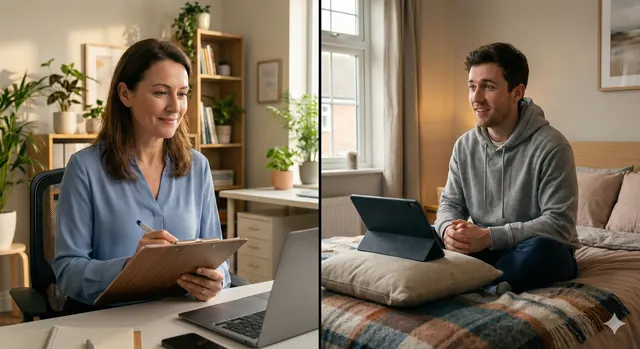
Free
Ins. check
4.9★
Rating
HIPAA
Protected
Can't travel to a facility?
Licensed Indiana therapists via secure video — same-week appointments, evenings & weekends available.
Maybe lately you and your partner feel more like friendly roommates than the couple you once were. The same old disagreements keep coming up, leaving you both feeling frustrated and stuck, even though you care deeply about each other. What if there was an actual map to help guide you back to real connection and understanding? The gottman method offers just that, a practical, research-driven way to rebuild friendship and strengthen your relationship, so you can face challenges together and truly thrive as partners.
The Gottman Method
So, what exactly is gottman method therapy? At its heart, it’s a form of couples therapy grounded in over 40 years of research by Drs. John and Julie Gottman. They studied thousands of couples to understand what makes some relationships succeed while others fail. Instead of relying on theories, they built a practical, skills-based approach to help partners deepen their friendship, manage conflict in a healthier way, and create a sense of shared meaning together. What makes the gottman method different from other forms of couples counseling is its scientific foundation. The Gottman Institute developed this method based on direct observation of how couples interact, identifying the specific behaviors that build lasting, happy relationships. The goal isn’t to have a “perfect” relationship without arguments, but to give you the tools to navigate your differences with more empathy and understanding, which has been shown to improve marital adjustment[1].
What Is the Sound Relationship House?
One of the core concepts you'll hear about is the Sound Relationship House. Think of it as a blueprint for a strong and healthy partnership. It’s a metaphor that shows how every level of connection builds upon the one before it, creating a solid structure that can weather any storm. The entire house is held up by two essential walls: trust and commitment. Without these, the structure can’t stand firm. Here’s a look at each floor, starting from the foundation and working our way up:
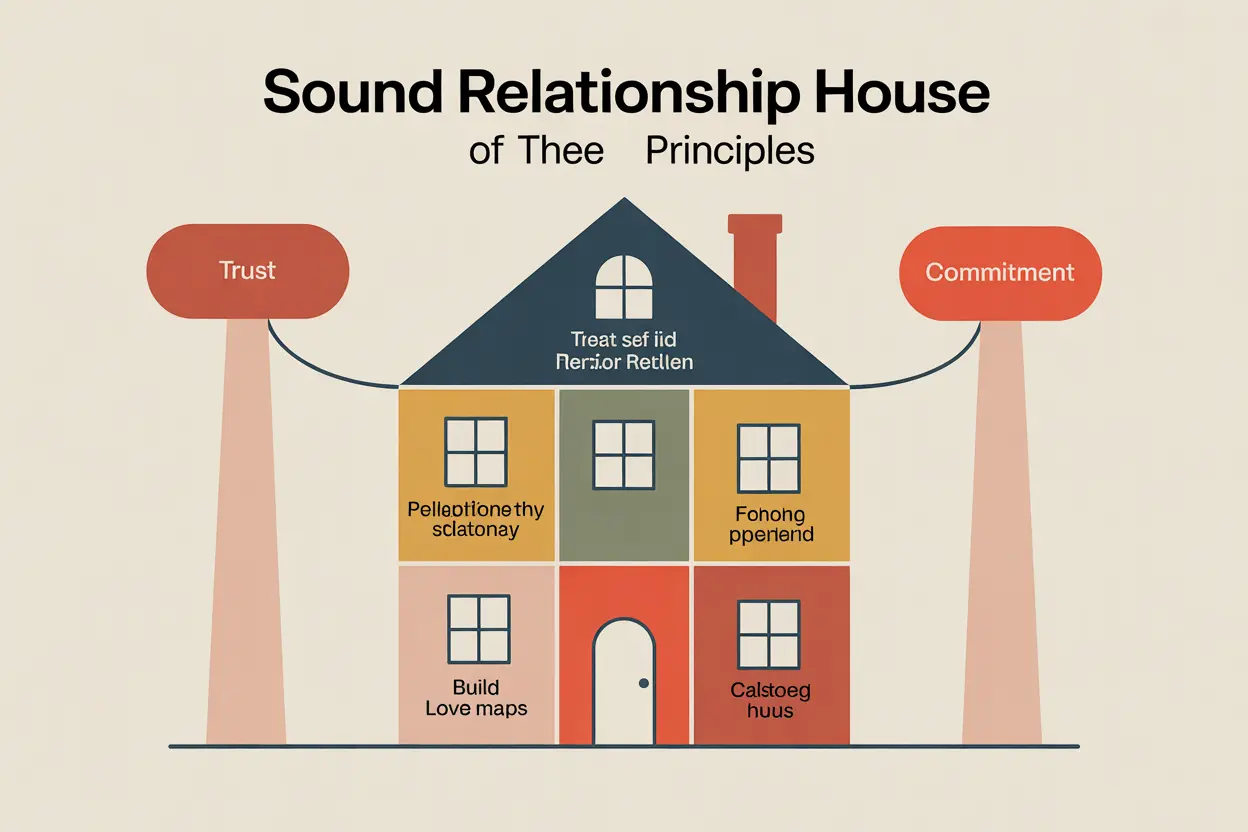
- Build Love Maps: This is the foundation. It means truly knowing your partner’s inner world, their hopes, worries, joys, and goals.
- Share Fondness and Admiration: This level is about actively appreciating your partner and expressing it. It’s the antidote to contempt and builds a culture of respect.
- Turn Towards Instead of Away: In small, everyday moments, do you turn toward your partner’s bids for connection or turn away? This is about being there for each other in little ways.
- The Positive Perspective: When the first three levels are strong, you’re more likely to see your partner and your relationship in a positive light, even during conflict.
- Manage Conflict: The gottman method teaches practical skills to navigate disagreements without causing lasting damage. It helps you talk about problems productively.
- Make Life Dreams Come True: This involves creating an atmosphere where each partner can talk about their hopes and dreams, and the couple works to support them.
- Create Shared Meaning: The top floor is about building a life together with shared purpose, values, and rituals of connection that make your relationship unique.
The Four Horsemen of the Apocalypse
A key part of managing conflict is learning to recognize and stop four destructive communication patterns the Gottmans famously named "The Four Horsemen." They are criticism, contempt, defensiveness, and stonewalling. Criticism attacks your partner's character ("You never help out"). Contempt is a step further, involving mockery or disrespect ("You're so lazy"). Defensiveness is shifting blame instead of taking responsibility ("I only did that because you..."). And stonewalling is shutting down and refusing to engage in the conversation at all. A crucial part of therapy is learning the antidotes to these behaviors to improve communication and keep conflict from damaging your relationship.
What to Expect
Starting gottman method therapy begins with a thorough assessment. This isn’t about finding fault; it’s about getting a complete picture of your relationship’s strengths and challenges. You and your partner will likely fill out questionnaires and have both individual and joint interviews with the therapist. This process helps the therapist understand your dynamic and create a personalized plan for you. In your joint sessions, the therapist acts more like a coach than a referee. They won’t just mediate arguments. Instead, they’ll teach you and your partner practical skills and interventions to improve your communication and connection right there in the room. You’ll learn how to talk to each other in more gentle and effective ways. The goal is to equip you with tools and exercises that you can practice and use in your everyday lives, long after the sessions are over. Getting started is as simple as finding a trained therapist who can guide you through this process.
Who Can Benefit from the Gottman Method?
This therapy can help couples at any stage, whether you’re looking for premarital counseling or trying to save a relationship on the brink of separation. It’s designed for any couple wanting to build a stronger, healthier connection. The issues that may be addressed in therapy are wide-ranging and include frequent fighting, communication breakdowns, emotional distance, and even recovering from infidelity[2]. One of the most freeing things you’ll learn is that the goal isn't to eliminate conflict. Research shows that 69% of marital conflicts are perpetual problems, meaning they are rooted in fundamental differences between you and your partner. The gottman method helps you manage these issues with understanding and humor instead of letting them become sources of constant pain. It’s about learning to live with your differences, not erasing them. If you feel like your relationship needs support, this method provides a hopeful and realistic path forward.
Find a Couples Therapist
Finding a couples therapist with specialized training is key to getting the most out of this approach. There are different levels of Gottman training, from introductory workshops to becoming a Certified Gottman Therapist, which requires extensive practice and consultation. When you look for a therapist, don't be afraid to ask about their training and experience. To find a qualified therapist in Indiana, you can start by exploring directories that allow you to filter for specific therapeutic approaches. This makes it easier to connect with someone who has the right skills to help you and your partner. Taking the step to find a Gottman therapist in Indiana is a powerful move toward building the relationship you want.

Your Next Steps Toward a Stronger Relationship
Building a better relationship is entirely possible when you have the right tools and a shared commitment to growth. The gottman method offers a clear, research-backed path to improve your friendship, manage conflict without causing harm, and build a deeper sense of shared meaning with your partner. The journey toward a stronger relationship starts with a single step. Whether that's having an open conversation with your partner, exploring resources, or reaching out for professional support, know that your relationship is worth the effort.
It takes courage to ask for help, but you don't have to navigate these challenges alone. With the right guidance, you and your partner can learn to reconnect and build a more fulfilling future together. If you’re ready to take that first step, our team at Indiana Rehabs is here to help you find the support you need. You can call us at (888) 568-9930 or visit our contact page to explore your options. Reaching out is a sign of strength, and a healthier, happier relationship is within reach.
Frequently Asked Questions About Gottman Method Therapy
How long does Gottman Method therapy usually last?
What if my partner is hesitant to try couples therapy?
is Gottman Method therapy covered by insurance?
What is a 'bid for connection' in the Gottman Method?
Can I apply the Gottman Method principles on my own?
- (10-01-2008). Examining the Effectiveness of Gottman Couple Therapy on.... National Center for Biotechnology Information. pmc.ncbi.nlm.nih.gov
- (09-29-2022). Couple therapy in the 2020s: Current status and emerging.... National Center for Biotechnology Information. pmc.ncbi.nlm.nih.gov