Rehabs Offering Ketamine Therapy

Showing 13 of 13 Results (filtered)
Featured Rehab Centers



Indiana Center for Recovery - Alcohol & Drug Rehab Center Jeffersonville
Jeffersonville, Indiana
601 N Shore Dr Suite 102-103, Jeffersonville, IN 47130



Allendale Treatment
Auburn, Indiana
5419 Co Rd 427, Auburn, IN 46706
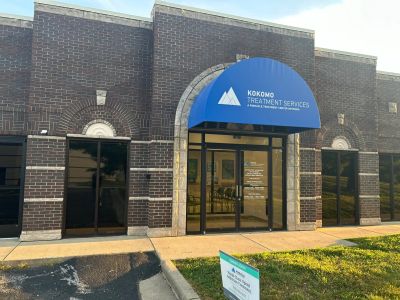
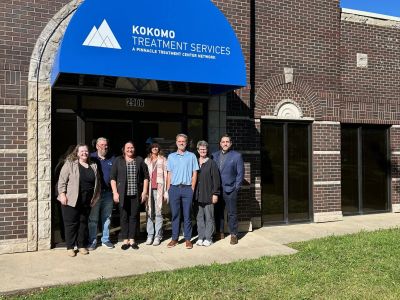
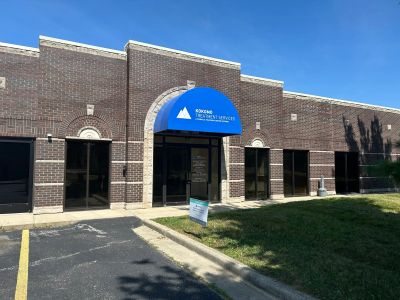
Pinnacle Treatment Centers - Kokomo
Kokomo, Indiana
2906 S. Reed Rd. Kokomo, IN 46902
Get Personalized Rehab Matches in 60 Seconds
Tell us a few details and we’ll show a personalized shortlist of verified Indiana rehabs, making it simple to compare options and choose your next step with confidence.



Indiana Center for Recovery - Alcohol & Drug Rehab Center Bedford
Bedford, Indiana
1600 23rd St, Bedford, IN 47421



Indiana Center for Recovery - Alcohol & Drug Rehab Center Indianapolis
Indianapolis, Indiana
5510 S Emerson Ave, Indianapolis, IN 46237

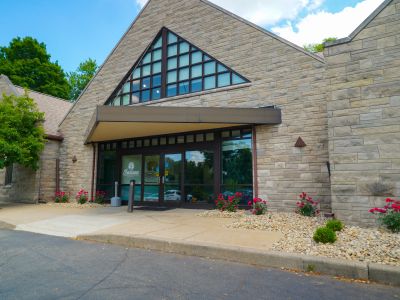

Indiana Center for Recovery
Bloomington, Indiana
1004 West 1st Street, Bloomington, IN, 47403



Indiana Center For Recovery - Alcohol & Drug Rehab Lafayette
Lafayette, Indiana
2529 Schuyler Ave #700, Lafayette, IN 47905



Indiana Center for Recovery- Alcohol & Drug Rehab Center Merrillville
Merrillville, Indiana
1578 E 85th Ave, Merrillville, IN 46410

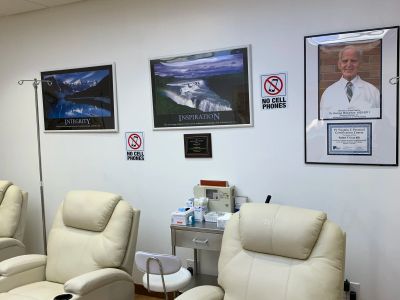

Kentuckiana Integrative Medicine
Jeffersonville, Indiana
405 E Court Ave #102, Jeffersonville, IN 47130
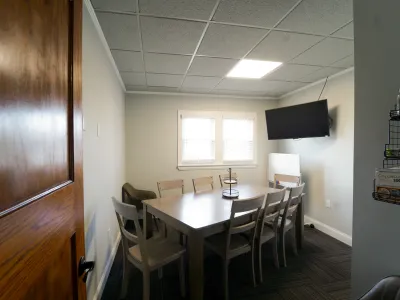

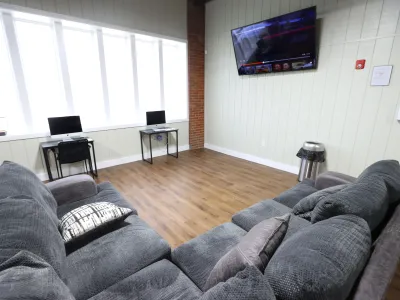
First City Recovery Center
Kokomo, Indiana
317 W Jefferson St, Kokomo, IN, 46901



Madison State Hospital
Madison, Indiana
711 Green Road, Madison, IN, 47250

Cummins Mental Health Center
Avon, Indiana
6655 East USHighway 36 Avon IN, 46123
Southwestern Behavioral Healthcare - Faren E. Levell Center
Evansville, Indiana
410 Mulberry St. Evansville, IN 47713
Why Trust Indiana Rehabs
As Hoosiers helping Hoosiers, we understand the unique challenges our communities face. Our team meticulously verifies every Indiana treatment center, ensuring you find trusted, local care that truly understands your journey.
About our listingsLevels of Care
Explore popular treatment options by levels of care, from flexible treatment in Outpatient centers to intensive care in Residential rehabs.
Free · 24/7 · Confidential
Talk to a Treatment Specialist
Call now to get matched with Indiana facilities that accept your insurance.
(888) 568-9930
Free
Ins. check
4.9★
Rating
HIPAA
Protected
Can't travel to a facility?
Licensed Indiana therapists via secure video — same-week appointments, evenings & weekends available.
What do you do when it feels like you've tried everything, every pill, every therapy session, and the heaviness just won't lift? If you've reached the point where hope is hard to find and you're craving something that goes beyond the usual paths, know that you're not alone in feeling this way. There are new, scientifically backed options like ketamine therapy showing promise right here in Indiana, and taking a closer look at how it works, what it offers, and what to consider can open doors to the kind of relief you deserve.

What is Ketamine Therapy?
ketamine therapy is a medically supervised treatment for specific mental health conditions, particularly those that haven't responded to other treatments. You might have heard of ketamine as an anesthetic; it’s been used safely in hospitals for decades. But researchers discovered that in smaller, controlled doses, its effects on the brain can bring rapid relief from severe depression.
It’s really important to understand that this is worlds away from recreational ketamine use[1]. The difference comes down to three things: the dose, the setting, and the supervision. In a clinical environment, the dosage is precise and tailored to you, the setting is safe and sterile, and you are monitored by medical professionals the entire time. This careful approach is what makes it a viable treatment rather than a dangerous risk.
When it comes to official approval, the U.S. Food and Drug Administration (FDA) has approved a specific form of ketamine called esketamine. It’s available as a nasal spray under the brand name Spravato®. This form is specifically for adults with treatment-resistant depression or major depressive disorder with suicidal thoughts or actions. Other forms of ketamine may be used "off-label" in clinics, but Spravato® is the only one with the FDA's direct endorsement for these conditions, which comes with strict safety protocols under a program called the Spravato® REMS program[2].
How Does Ketamine Therapy Work?
Most common antidepressants, like SSRIs, work by slowly increasing levels of serotonin in the brain. Ketamine takes a completely different route. It targets the glutamate system, which is the most abundant chemical messenger in your brain. Specifically, it blocks a protein called the NMDA receptor. By doing this, it sets off a chain reaction that helps the brain in a new and powerful way.
One of the most remarkable effects of ketamine is how quickly it can work. While traditional antidepressants can take weeks or even months to show results, many patients feel a significant lifting of depression symptoms within hours or days of a treatment session. For someone struggling with suicidal thoughts, this rapid action can be lifesaving.
Think of your brain as a landscape with well-worn paths created by your thoughts and emotions. When you're dealing with depression or trauma, these paths can become deep, negative ruts that are hard to escape. Ketamine helps the brain build new trails. This is a process called neuroplasticity, where the brain forms new connections and pathways[3]. It’s like a fresh snowfall covering the old, stuck patterns, giving you a chance to create healthier mental habits.
But the treatment isn't just about the medication itself. The insights and mental flexibility gained during a session are powerful, but they need to be harnessed. That's why ketamine is most effective when paired with psychotherapy. A therapist can help you make sense of your experience, integrate the new perspectives you’ve gained, and turn those fresh starts into lasting change. It’s a partnership between the medicine and the therapeutic work that creates the best opportunity for healing.
Is ketamine the right treatment for you?
Deciding if ketamine therapy is the right path is a conversation you should have with a qualified doctor or mental health provider. It's not a first-line treatment. Typically, it's considered for patients who have already tried at least two other traditional treatments, like different antidepressant medications, without getting the relief they need. If you're dealing with what's known as treatment-resistant depression, this could be a hopeful option.
While it’s most known for depression, its applications are growing. It’s important to look at the specific conditions it’s used for and understand that its effectiveness can vary. The goal is always to weigh the potential benefits against the risks with a medical professional who understands your unique history and needs.
Unipolar depression and MDD
This is the most well-researched and common use for ketamine therapy. For individuals with severe major depressive disorder (MDD) who have found little success with other treatments, ketamine can offer a rapid and profound reduction in depressive symptoms. The quick turnaround is one of its biggest advantages, helping to break the cycle of hopelessness that often accompanies severe depression[3]. It can feel like a window opening after a long time in a dark room.
Post-traumatic stress disorder
Living with post-traumatic stress disorder (PTSD) can feel like being haunted by the past. ketamine therapy is showing promise in helping to reduce the intensity of core PTSD symptoms, such as intrusive memories, nightmares, and a constant feeling of being on edge (hypervigilance). By creating a temporary state of mental flexibility, it can make it easier for individuals to engage in and benefit from trauma-focused psychotherapy, allowing them to process difficult memories with less stress and anxiety.
Substance use disorders
This is a newer, but promising, area of research. Some studies suggest that ketamine, when used alongside psychotherapy, may help people with substance use disorders by reducing cravings and motivation to use. The idea is that it can disrupt the rigid thinking patterns associated with addiction and open a person up to new ways of coping, potentially lowering the risk of relapse[4]. However, more research is needed to fully understand its role in addiction treatment.
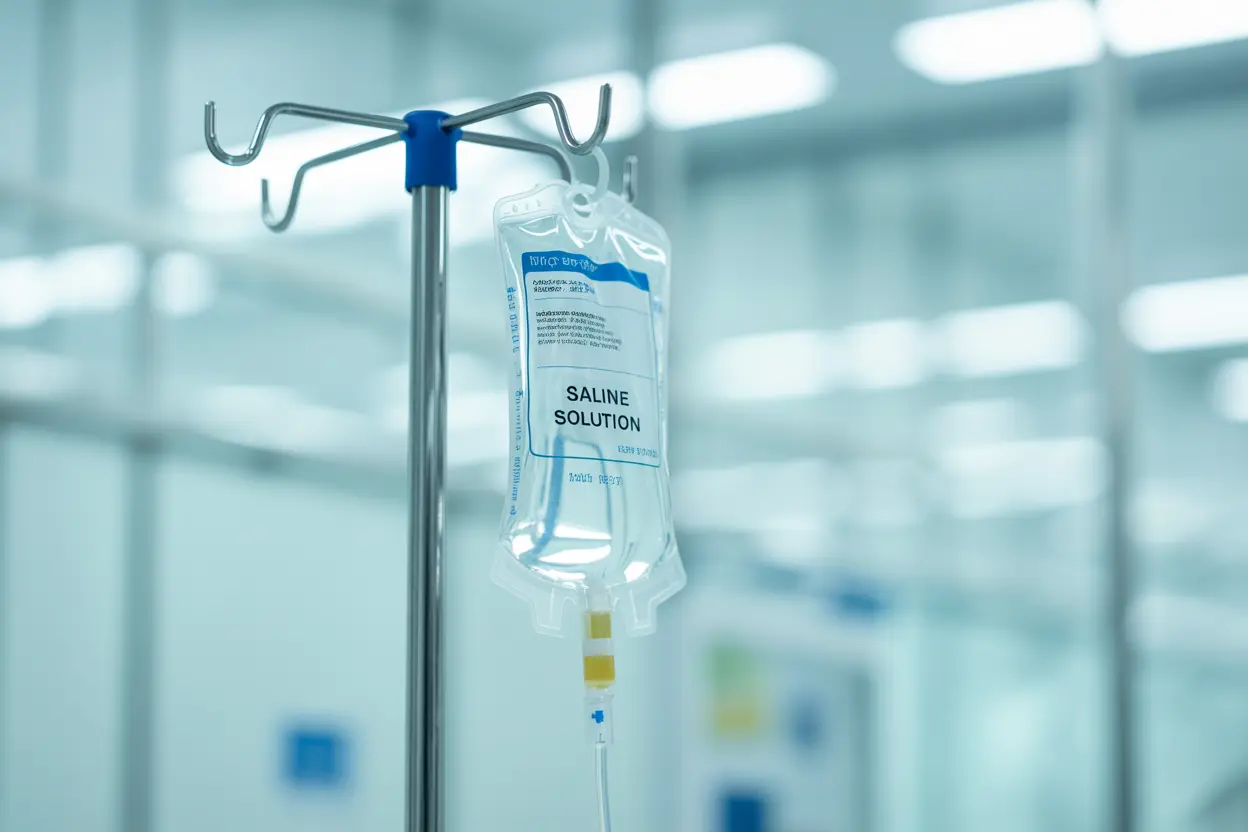
Route of administration, dose and therapeutic support
How ketamine is administered is a key part of the treatment, as it affects how much of the medication your body absorbs and how quickly it works. The dose and method are carefully chosen by your provider based on your needs and the specific condition being treated. Here are the most common methods:
- IV Infusion: This is a very common method where a low dose of ketamine is delivered directly into your bloodstream through an IV drip over about 40-60 minutes. It's done in a clinical setting with continuous monitoring. This intravenous ketamine administration allows for 100% bioavailability, meaning your body absorbs the full dose.
- IM Injection: An intramuscular (IM) injection involves injecting ketamine into a large muscle, like the arm or thigh. The IM route of administration provides a high bioavailability of 93%, offering a rapid onset that is sometimes preferred over a longer infusion.
- Intranasal Spray: This is the method used for Spravato® (esketamine), the only FDA-approved form. You administer the nasal spray yourself under the supervision of a healthcare provider in a certified clinic and must be monitored for at least two hours afterward.
- Oral/Sublingual Lozenges: Sometimes prescribed for at-home use between sessions, these lozenges or tablets dissolve in your mouth. This method has a significantly lower bioavailability of around 16% to 29% and is generally used to maintain a therapeutic effect rather than for the initial, more intensive treatment. The FDA has warned that these compounded products are not approved and may carry additional risks[2].
When it comes to cost and insurance, Spravato® is the form most likely to be covered because of its FDA approval. However, insurance providers typically require proof that you’ve tried and failed to get better with other traditional treatments. IV infusions and other forms are often paid for out-of-pocket, though some insurance plans may offer partial reimbursement.
What are the side effects?
Like any effective medical treatment, ketamine therapy comes with potential side effects. The good news is that when administered in a controlled medical setting, it is generally considered safe, and adverse effects are carefully monitored. It's important to have an open conversation with your provider about what to expect so you can feel prepared and safe throughout the process. Some people should not use ketamine, including those with uncontrolled high blood pressure, a history of psychosis, or certain heart conditions, so a thorough medical screening is essential.
Adverse effects
Most side effects are short-term and happen during or shortly after the treatment session. A medical team will be with you the entire time to help manage them, and they usually fade within an hour or two after the session ends. Common adverse effects include:
- Dissociation: This is a feeling of being disconnected from your body or your thoughts. Some people describe it as a dream-like or floating sensation.
- Dizziness and Blurred Vision: It’s common to feel a bit unsteady or have blurry vision during the treatment.
- Nausea: Some patients experience nausea, which can often be managed with anti-nausea medication beforehand.
- Increased Blood Pressure and Heart Rate: Ketamine can temporarily raise your heart rate and blood pressure, which is why your vital signs are monitored continuously during the session.
Urinary and liver toxicity
You may have heard concerns about long-term risks, especially related to the bladder and liver. It’s important to know that these issues, such as urinary tract problems or elevated liver enzymes, are primarily seen in cases of high-dose, frequent, non-medical recreational use. In the low-dose, medically supervised clinical setting used for mental health treatment, these risks are considered rare, but your provider will still monitor for any signs of trouble.
Dependence and tolerance
As a Schedule III controlled substance, ketamine does have a potential for misuse and psychological dependence[5]. This is a key reason why ketamine therapy should only be done under the care of a qualified medical professional. A structured treatment plan, with controlled doses and spacing between sessions, is designed to minimize this risk. For patients with a history of substance use disorder, this is an especially important conversation to have with your provider to ensure the right safeguards are in place.
How to Find Safe Ketamine Therapy in Indiana
Finding the right provider is the most important step in ensuring your experience with ketamine therapy is safe and effective. Not all clinics operate with the same standards, so it's up to you to ask the right questions and look for signs of a high-quality, reputable practice. Your well-being is the top priority, and a good clinic will welcome your questions and be transparent about their processes.
Here is a checklist to help you vet potential ketamine clinics in Indiana:
- Thorough Initial Evaluation: Does the clinic require a comprehensive psychiatric and medical evaluation before starting treatment? A safe provider needs to understand your full health history to know if ketamine is right for you.
- Licensed and Experienced Staff: Who will be administering and monitoring your treatment? Look for qualified medical professionals like a psychiatrist, anesthesiologist, or certified registered nurse anesthetist (CRNA).
- Patient Monitoring: Ask about their safety protocols. Do they monitor your vital signs (like heart rate and blood pressure) during and after the session? There should always be a trained staff member present with you[6].
- Integrated Psychotherapy: Does the clinic offer psychotherapy as part of the treatment plan, or do they require you to see a therapist? Ketamine is most effective when paired with therapy to help integrate the experience. Be wary of clinics that offer only the infusion without any therapeutic support.
- Realistic Expectations: Watch out for red flags like clinics that promise a "cure" or guarantee results. A responsible provider will give you a balanced view of the potential benefits and risks.
- Avoid Unsupervised At-Home Treatments: Be extremely cautious of any service that offers to mail you ketamine lozenges for unsupervised use without a proper initial screening and ongoing support.
When you're at a point where traditional treatments haven't worked, exploring new options like ketamine therapy can feel like a huge step. It’s a powerful tool, and in the hands of caring, expert professionals, it can offer real hope. If you’re ready to learn more, the first step is finding a provider you can trust. The journey to feeling better is possible, and you don’t have to walk it alone. For help finding the right support for you, call us at (888) 568-9930 or browse our directory at Indiana Rehabs. You can also contact us through our website to start the conversation.
Frequently Asked Questions About Ketamine Therapy in Indiana
What does a ketamine infusion feel like?
Will my insurance cover ketamine treatment?
How long does a ketamine session last?
How much does ketamine therapy cost?
Can ketamine therapy help with anxiety?
- Partnership to End Addiction. (03-06-2025). What is ketamine?. Partnership to End Addiction. drugfree.org
- U.S. Food and Drug Administration. (10-10-2023). FDA warns about risks of compounded ketamine products for psychiatric disorders. U.S. Food and Drug Administration. fda.gov
- Shafique, H. (2024). Ketamine: The Promise of a Novel Treatment for Psychiatric Disorders. Indiana University ScholarWorks. scholarworks.indianapolis.iu.edu
- Jones, J. L. et al. (24-07-2018). Efficacy of Ketamine in the Treatment of Substance Use Disorders. Frontiers in Psychiatry. pmc.ncbi.nlm.nih.gov
- Drug Enforcement Administration. (July, 2025). 2025 National Drug Threat Assessment. U.S. Department of Justice. dea.gov
- American Psychiatric Nurses Association. (16-08-2023). Ketamine Infusion Therapy. American Psychiatric Nurses Association. apna.org