
Meaning-Centered Therapy Therapy in Indiana



Showing 5 of 5 Results (filtered)
Featured Rehab Centers
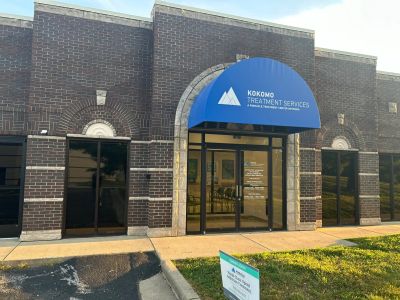
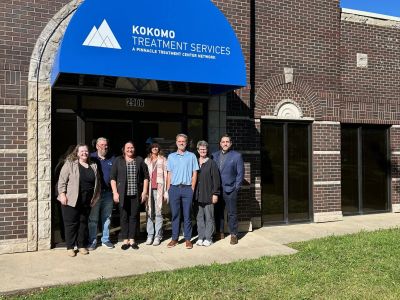
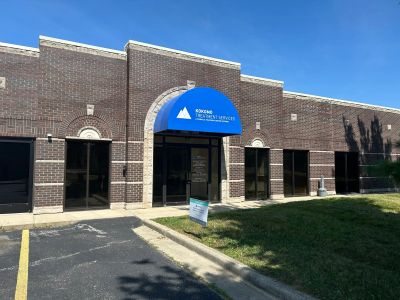
Pinnacle Treatment Centers - Kokomo
Kokomo, Indiana
2906 S. Reed Rd. Kokomo, IN 46902



Avenues Recovery Center at Indianapolis
Indianapolis, Indiana
7960 Shadeland Ave, Indianapolis, IN 46250



Kentuckiana Integrative Medicine
Jeffersonville, Indiana
405 E Court Ave #102, Jeffersonville, IN 47130
Get Personalized Rehab Matches in 60 Seconds
Tell us a few details and we’ll show a personalized shortlist of verified Indiana rehabs, making it simple to compare options and choose your next step with confidence.



First City Recovery Center
Kokomo, Indiana
317 W Jefferson St, Kokomo, IN, 46901
Southwestern Behavioral Healthcare - Faren E. Levell Center
Evansville, Indiana
410 Mulberry St. Evansville, IN 47713
Why Trust Indiana Rehabs
As Hoosiers helping Hoosiers, we understand the unique challenges our communities face. Our team meticulously verifies every Indiana treatment center, ensuring you find trusted, local care that truly understands your journey.
About our listingsLevels of Care
Explore popular treatment options by levels of care, from flexible treatment in Outpatient centers to intensive care in Residential rehabs.
Free · 24/7 · Confidential
Talk to a Treatment Specialist
Call now to get matched with Indiana facilities that accept your insurance.
(888) 568-9930
Free
Ins. check
4.9★
Rating
HIPAA
Protected
Can't travel to a facility?
Licensed Indiana therapists via secure video — same-week appointments, evenings & weekends available.
Have you ever found yourself asking, “What’s the point?”—especially during moments when life feels uncertain, or pain makes it hard to see a way forward? That longing for purpose is deeply human, and it’s something Viktor Frankl understood firsthand as he searched for meaning in the darkest of times. What’s reassuring is that this search isn’t just a philosophical notion; it’s actually the foundation of a gentle, structured therapy that can help you uncover meaning, build resilience, and find new strength as you heal.
What Is Meaning-Centered Psychotherapy?

At its heart, meaning-centered psychotherapy (MCP) is a gentle, supportive form of counseling designed to help you connect with what truly matters in your life. It’s not about finding one single, grand “meaning of life,” but rather about discovering the unique sources of purpose, fulfillment, and hope that are already within you, even when they feel buried by pain or existential distress. This approach was born from the work of psychiatrist and Holocaust survivor Viktor Frankl, who developed a school of thought called logotherapy.
Frankl believed that the primary drive in all of us is not for pleasure or power, but for meaning. He saw that even in the face of immense suffering, people could find a reason to live if they had a purpose to hold onto. Meaning-centered therapy takes these powerful ideas and puts them into a structured, compassionate practice. It helps you explore your values, relationships, and personal legacy to build a life that feels authentic and worthwhile. According to logotherapy, we can find this meaning in three core ways:
- By creating something or accomplishing a task.
- By experiencing something fully or loving someone.
- By choosing our attitude in the face of unavoidable suffering.
This framework provides a hopeful path forward, suggesting that meaning is always available to us, no matter our circumstances. It shifts the focus from “What’s wrong with me?” to “What am I living for?” This simple change in perspective can be incredibly powerful, especially for those navigating recovery, loss, or major life transitions. It's an approach that complements other therapeutic styles, such as narrative therapy, by helping you rewrite your story with purpose at its center.
Theoretical framework underlying MCP
The foundation of meaning-centered therapy rests on three core ideas from Viktor Frankl's logotherapy. Understanding them helps clarify why this approach is so effective. It’s built on a belief in our inner strength and our constant ability to find purpose.
- The Freedom of Will: This principle suggests that no matter what situation you’re in, you always have the freedom to choose your attitude. Even when external circumstances are out of your control, your inner response remains yours. It’s a powerful reminder that we are not just victims of our biology or environment; we have the power to decide how we face our challenges.
- The Will to Meaning: Logotherapy proposes that our deepest and most fundamental human motivation is the search for meaning. While other therapies might focus on pursuing happiness or resolving past conflicts, MCP sees the will to find meaning as the primary driving force in life. When this drive is frustrated, it can lead to feelings of emptiness or despair.
- The Meaning of Life: This idea asserts that life has an unconditional meaning, which is available to be discovered by each person. This meaning is unique to you and can be found in every moment, through your actions, your relationships, and even your attitude toward suffering. The therapist’s role isn’t to give you meaning, but to help you uncover it for yourself.
What to Expect in a Session
Stepping into a meaning-centered therapy session feels less like a clinical appointment and more like a guided conversation. The therapist acts as a compassionate partner, not an expert with all the answers. Your sessions are a collaborative space where you can safely explore what gives your life significance. The process is gentle and respectful, honoring your personal experiences and worldview.
During a session, you can expect to engage in thoughtful discussions and experiential exercises. For example, you might talk about past experiences that brought you joy or pride, identify your core values, or reflect on the legacy you want to leave behind. The goal of these activities is to reconnect you with your authentic self and shine a light on your sources of strength and purpose.
A key technique used is Socratic dialogue, where the therapist asks gentle, guiding questions to help you arrive at your own insights. Instead of telling you what to think, they help you uncover your own wisdom. This empowering process builds self-awareness and helps you see that you hold the keys to a more meaningful life.
The effects of psychological meaning-centered therapies on quality of life and psychological stress
While meaning-centered therapy sounds inspiring, it’s also backed by solid research. This therapeutic model has a strong evidence base, particularly in helping individuals cope with serious illness, but its benefits extend far beyond that. The positive effects are now well-documented in treating a wide range of mental health challenges, including anxiety and the symptoms of depression.
The core of its efficacy lies in its ability to directly address existential distress. When we feel that life lacks meaning, it can lead to significant psychological stress. Meaning-centered therapy works to reverse this. Research shows a powerful connection: as a person’s sense of meaning in life goes up, their level of psychological stress goes down significantly. One meta-analysis found that increases in meaning were a strong predictor of decreases in stress, highlighting just how vital purpose is to our well-being.
The positive outcomes of this therapy are clear and consistent. People who engage in meaning-centered interventions often report:
- Reduced depression and anxiety: By focusing on purpose, individuals can shift their attention away from ruminative thoughts and feelings of hopelessness.
- Increased hope and resilience: A strong sense of meaning provides an anchor during difficult times, making it easier to navigate challenges without feeling overwhelmed.
- Improved spiritual well-being: For many, finding meaning is a deeply spiritual experience that enhances their sense of connection to themselves, others, and the world around them.
- Better overall quality of life: Ultimately, living a life aligned with one's values and purpose leads to greater fulfillment and satisfaction.
These benefits show that meaning-centered therapy isn’t just about feeling better temporarily; it’s about building a stronger, more resilient foundation for lasting mental and emotional health.
Meaning-centered counseling and therapy: An integrative and comprehensive approach to motivational counseling and addiction treatment.

For individuals struggling with substance abuse, meaning-centered therapy offers a uniquely powerful path toward recovery. Addiction often grows in the space left by a lack of purpose, what Viktor Frankl called an “existential vacuum.” When life feels empty or pointless, substances can become a way to numb the pain or create a temporary sense of connection. As Frankl himself noted, feelings of meaninglessness often underlie the triad of depression, addiction, and aggression that is so common today.
Meaning-centered counseling directly addresses this root cause. Instead of focusing solely on the behavior of substance use, it helps you build a life so full of purpose that drugs or alcohol no longer have a place in it. This approach is a powerful tool in addiction treatment because it provides a profound and sustainable motivation for sobriety. When you have a clear "why" to live for, it becomes much easier to resist the "how" of relapse.
This form of therapy integrates seamlessly with other effective models used in addiction recovery. For instance, it enhances motivational counseling by helping you connect your desire for change to deeply held personal values. If you value family, creativity, or community, therapy can help you see how sobriety is the path to honoring those commitments. By focusing on your future goals and the person you want to become, meaning-centered counseling provides a positive, forward-looking framework for recovery that inspires hope and strengthens your commitment to long-term healing.
Clinical applications
Finding the right kind of support is a crucial step in any healing journey. If you’re in Indiana and interested in meaning-centered therapy, you have several options. While it might be uncommon to find a therapist who specializes exclusively in MCP, the good news is that many counselors integrate its core principles into their work. The ideas of finding purpose, focusing on values, and building resilience are central to many effective forms of therapy.
When searching for a provider, you can look for related approaches that share similar goals. Therapies that often incorporate meaning-centered concepts include:
- Existential Therapy: This therapy explores themes of freedom, responsibility, and meaning in the context of your life.
- Narrative Therapy: This approach helps you re-author your life story, focusing on your strengths and purpose.
- Humanistic Therapy: This broad category of therapies emphasizes personal growth and self-actualization.
To find a suitable provider, you can use specific keywords in your search. Look for therapists or treatment centers that mention "existential therapy," "logotherapy," or "purpose-driven therapy" in their descriptions. When you speak with a potential counselor, don't hesitate to ask about their approach. You can ask questions like, "How do you help clients connect with their values?" or "Do you incorporate discussions about life's meaning into your sessions?"
The easiest way to find qualified help is to use a trusted resource. You can search our directory of verified treatment providers in Indiana to find professionals who align with this compassionate and empowering approach. Our team is also here to help guide you to the right fit for your needs.
Embracing a Future with Purpose
Life’s challenges can sometimes make us feel lost, but meaning-centered therapy offers a gentle and profound way to find our footing again. It’s a reminder that your life has a unique purpose, and you have the strength within you to uncover it. This journey isn't about erasing pain, but about building a life so rich with meaning that hardship no longer defines your story. It’s about shifting your focus from what’s broken to what’s possible, fostering a sense of hope and resilience that can carry you through any storm.
Finding meaning is a deeply personal process of healing and growth, and it’s a path that is open to everyone. You don’t have to walk it alone. If you're ready to take the next step toward a life filled with purpose and fulfillment, help is available. You can call our compassionate care team at (888) 568-9930 to discuss your options or contact us online. At Indiana Rehabs, we are here to connect you with the support you need to embrace a future guided by your own sense of meaning.