
Rehabs Offering Psychodynamic Therapy

Showing 8 of 8 Results (filtered)
Featured Rehab Centers

Hamilton Center Inc: Mathew Maleakal S MD
Terre Haute, Indiana
620 8th Ave, Terre Haute, IN 47804

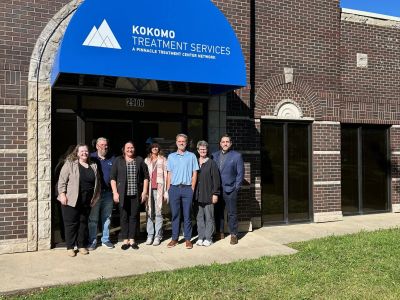

Pinnacle Treatment Centers - Kokomo
Kokomo, Indiana
2906 S. Reed Rd. Kokomo, IN 46902



Avenues Recovery Center at Indianapolis
Indianapolis, Indiana
7960 Shadeland Ave, Indianapolis, IN 46250
Get Personalized Rehab Matches in 60 Seconds
Tell us a few details and we’ll show a personalized shortlist of verified Indiana rehabs, making it simple to compare options and choose your next step with confidence.



Kentuckiana Integrative Medicine
Jeffersonville, Indiana
405 E Court Ave #102, Jeffersonville, IN 47130



First City Recovery Center
Kokomo, Indiana
317 W Jefferson St, Kokomo, IN, 46901


Truth Treatment Center
Indianapolis, Indiana
7112 Madison Ave, Indianapolis, IN 46227
Pinnacle Treatment Centers - 581 E. Main Street
Hagerstown, Indiana
581 E. Main Street Hagerstown, IN 47346
Southwestern Behavioral Healthcare - Faren E. Levell Center
Evansville, Indiana
410 Mulberry St. Evansville, IN 47713
Why Trust Indiana Rehabs
As Hoosiers helping Hoosiers, we understand the unique challenges our communities face. Our team meticulously verifies every Indiana treatment center, ensuring you find trusted, local care that truly understands your journey.
About our listingsLevels of Care
Explore popular treatment options by levels of care, from flexible treatment in Outpatient centers to intensive care in Residential rehabs.
Free · 24/7 · Confidential
Talk to a Treatment Specialist
Call now to get matched with Indiana facilities that accept your insurance.
(888) 568-9930
Free
Ins. check
4.9★
Rating
HIPAA
Protected
Can't travel to a facility?
Licensed Indiana therapists via secure video — same-week appointments, evenings & weekends available.
Maybe you’ve found yourself wondering why the same arguments keep cropping up, or why certain choices seem to trip you up time after time, even when you promise yourself things will be different. It's almost like some part of you is steering from below the surface, familiar, but just out of sight. That sense of being stuck isn’t just frustrating, it can also feel a little mysterious or even lonely. psychodynamic therapy offers a way to gently uncover these hidden patterns, helping you understand where they come from and, in time, giving you more space to shape your life in ways that truly fit you.

What Is Psychodynamic Therapy?
At its heart, psychodynamic therapy is a form of in-depth talk therapy that helps you understand how your past experiences shape your present feelings and behaviors. You might have heard of its famous originator, Sigmund Freud, and his work in psychoanalysis. While psychodynamic therapy grew from those roots, it has evolved significantly over the last century. Today's psychodynamic psychotherapy is a flexible, evidence-based approach that fits modern life and is tailored to you.
The core idea is that many of our struggles come from thoughts, feelings, and memories that are tucked away in our unconscious mind. We might not be aware of them, but they can still influence our decisions, relationships, and self-esteem. psychodynamic therapy aims to bring these unconscious elements into the light. By exploring them with a trusted therapist, you can start to see the connections between old wounds and current patterns. This process isn't about blaming the past; it's about understanding its power so you can reclaim your own.
This approach differs from more structured therapies like cognitive behavioral therapy (CBT), which often focuses on changing specific thoughts and behaviors in the here and now. CBT is incredibly effective and provides practical tools, but psychodynamic therapy takes a deeper dive. It explores the "why" behind the "what," helping you resolve long-standing conflicts and create lasting change from the inside out. It's a journey of self-discovery that can lead to a richer, more authentic life.[1]
How It Works
The foundation of psychodynamic therapy is the therapeutic relationship, the strong, trusting connection you build with your therapist. This isn't just a friendly chat; it's a professional alliance where you feel safe enough to be vulnerable. Your therapist creates a non-judgmental space where you can speak openly about whatever comes to mind, a technique called free association. There’s no right or wrong thing to say. The goal is to let your thoughts flow, because sometimes the most unexpected connections reveal the most profound insights.
Within this safe space, a few key techniques help guide the process. One is interpretation, where the therapist helps you see patterns or themes you might have missed. For instance, they might gently point out how a feeling of being overlooked at work mirrors experiences from your childhood. Another powerful tool is exploring dreams. Dream analysis isn't about a universal dictionary of symbols; it's about what the images and emotions in your dreams mean to *you* and how they connect to your waking life.
Perhaps one of the most unique aspects is transference. This is when you unconsciously transfer feelings and attitudes from a past relationship onto your therapist. You might, for example, feel an intense need for your therapist's approval, similar to how you felt with a parent. By examining these feelings as they happen in the session, you gain a powerful, real-time insight into your relationship patterns. The focus isn't just on talking about the past, but on seeing how it lives and breathes in the present moment. This process helps you understand your behavior and emotions on a deeper level, paving the way for genuine self-awareness and lasting change.[2]
When It's Used
One of the most common questions people have is, "Who can benefit from psychodynamic therapy?" The truth is, this approach can help a wide range of people because it focuses on the underlying roots of emotional distress, not just the surface-level symptoms. It's often used to treat conditions like anxiety, relationship problems, and trauma. It can be particularly effective for those dealing with long-term issues, such as recurring depression or challenges related to personality disorders, including borderline personality disorder.

The benefits often extend beyond symptom relief. As you gain more insight into yourself, you may find your self-esteem improves, your relationships become more fulfilling, and you feel more capable of navigating life's challenges. The changes that happen in psychodynamic therapy tend to be deep and long-lasting, because you’re not just learning coping skills; you’re changing the very foundation of how you relate to yourself and others. Research has shown its effectiveness, demonstrating that it can be just as helpful as other evidence-based therapies like CBT for conditions such as depression.[3]
However, it's important to know that this approach has its limitations and isn't the right fit for everyone. Because it's an in-depth exploration, it requires a significant commitment of time, energy, and financial resources. It also depends on your willingness to look inward and be open to introspection, which can be difficult and uncomfortable at times. For those who prefer a more structured, goal-oriented approach with clear, weekly exercises, other therapies might be a better match. The key is finding the path that feels right for you.
What to Expect
Walking into your first session can feel a little daunting, so knowing what to expect can help ease any worries. Unlike some other forms of talk therapy where the therapist might set a clear agenda or assign homework, psychodynamic sessions are often less structured. The conversation is typically led by you, the client. You’re encouraged to talk about whatever is on your mind, your week, a dream you had, a memory that surfaced, or a conflict you're facing. This open-ended style allows the most important themes and emotions to emerge naturally.
Typically, patients meet with their therapist once a week, with each session lasting about 50 minutes. The overall duration of the therapy can vary widely. Some people benefit from short-term models that last a few months, while others engage in long-term therapy that can continue for several years. The length of treatment depends on your individual needs, goals, and the complexity of the issues you're working through. The process is an exploration, not a quick fix. Insights often build gradually over time as you and your therapist piece together the puzzle of your inner world.
Above all, you can expect your therapist to provide a safe, confidential, and non-judgmental space. Their role is not to give you advice or tell you what to do, but to listen deeply, ask thoughtful questions, and help you make connections you haven't been able to see on your own. It's a collaborative journey where you are always in the driver's seat. Your therapist is a skilled guide, helping you navigate the terrain of your own mind and heart, empowering you to find your own answers.
What to Look for in a Psychodynamic Therapist
Finding the right person to guide you on this journey is crucial. So, who can administer psychodynamic therapy? This approach is practiced by a range of licensed mental health professionals, including psychiatrists, psychologists, clinical social workers (LCSWs), and licensed professional counselors (LPCs). While many therapists have a basic understanding of psychodynamic principles, you’ll want to look for clinicians who have sought specific post-graduate training in psychodynamic or psychoanalytic methods. This specialized training often involves years of intensive coursework, supervised clinical practice, and sometimes even their own personal therapy to deepen their self-awareness.
When you're searching for a provider, don't hesitate to ask about their qualifications and approach. Think of it as a consultation to see if they're the right fit for you. Here are a few questions you might ask:
- What is your training and experience in psychodynamic therapy?
- How would you describe your therapeutic style?
- How do you see the process of change unfolding in therapy?
- What are your expectations for clients in terms of frequency of sessions and duration of treatment?
- How will we know if the therapy is working?
Ultimately, research consistently shows that the quality of the therapeutic relationship is one of the biggest predictors of success. More than any specific technique or credential, feeling understood, respected, and comfortable with your therapist is what matters most. Trust your gut. If you don't feel a connection after a few sessions, it's perfectly okay to look for someone else. In Indiana, facilities must be accredited by bodies approved by the state's Division of Mental Health and Addiction (DMHA), and providers must follow strict licensure rules, ensuring you receive care from qualified professionals.[4][5] You can also use resources like the American Psychoanalytic Association (APsaA) Therapist Directory to find specially trained clinicians.
Finding Psychodynamic Therapy in Indiana
Taking that first step to find help is a powerful act of self-care. If you’re in Indiana and feel that psychodynamic therapy could be the right path for you, there are resources available to connect you with the right support. It can feel overwhelming to sort through all the options, but you don't have to do it alone. Here at Indiana Rehabs, we provide a trusted, impartial directory to help you find vetted, licensed mental health providers in your local community.
You can use our website to filter for therapists and treatment centers that specialize in psychodynamic therapy. Whether you're in Indianapolis, Fort Wayne, Evansville, or a smaller town, our goal is to make it easier for you to find the care you deserve. It’s also good to know that Indiana Medicaid covers medically necessary outpatient mental health services, including psychotherapy, from licensed providers.[6] For additional support, national resources like SAMHSA's National Helpline and Treatment Locator can offer guidance and connect you with local services.
The journey toward understanding yourself more deeply is one of the most rewarding investments you can make. It takes courage to look inward and address the parts of your life that feel stuck or painful. Reaching out for help is not a sign of weakness; it is a profound sign of strength. It's the beginning of a path toward greater insight, healthier relationships, and a more authentic connection with yourself.
Understanding the roots of your feelings and behaviors can be a deeply rewarding journey. psychodynamic therapy offers a path to not only relieve symptoms but to foster lasting personal growth and more fulfilling relationships. If you're ready to explore this path further and find a provider who can guide you, we are here to help. You can connect with compassionate and skilled professionals across the state through Indiana Rehabs. For immediate assistance or to discuss your options, please don't hesitate to call us at (888) 568-9930 or contact us online. Taking this next step is a powerful move toward a healthier future.
Frequently Asked Questions About Psychodynamic Therapy
Is psychodynamic therapy the same as psychoanalysis?
What is the goal of psychodynamic therapy?
How long does psychodynamic therapy take?
Is psychodynamic therapy effective?
What are the limitations of psychodynamic therapy?
- Leichsenring, F., Steinert, C., & Rabung, S. (2023). The status of psychodynamic psychotherapy as an empirically supported treatment for common mental disorders. World Psychiatry. pmc.ncbi.nlm.nih.gov
- Bekkhus, E., et al. (2025). Therapist affect focus and patient outcomes in psychodynamic therapy: An updated systematic review and meta-analysis. Psychotherapy Research. pubmed.ncbi.nlm.nih.gov
- Luyten, P., et al. (2025). Comparative effectiveness of short-term psychodynamic psychotherapy versus cognitive behavioural therapy for adult depression. The Lancet Psychiatry. pmc.ncbi.nlm.nih.gov
- U.S. Department of Health & Human Services. (n.d.). State residential treatment for behavioral health conditions: Indiana. ASPE. aspe.hhs.gov
- Indiana Family and Social Services Administration. (07-14-2020). Certification and licensure rules and Indiana code. FSSA: Division of Mental Health and Addiction. in.gov
- U.S. Centers for Medicare & Medicaid Services. (06-21-2023). Indiana State Plan Amendment IN-23-0006. Medicaid.gov. medicaid.gov