Rehabs Offering Relapse Prevention

Showing 20 of 46 Results (filtered)
Featured Rehab Centers

91 West Mound Street, Nashville, IN 47448

Hamilton Center Inc: Mathew Maleakal S MD
Terre Haute, Indiana
620 8th Ave, Terre Haute, IN 47804
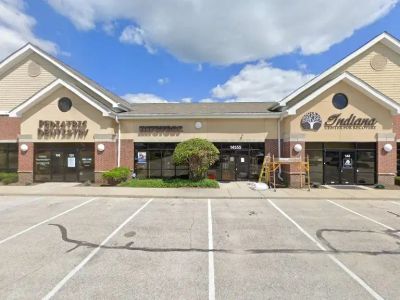

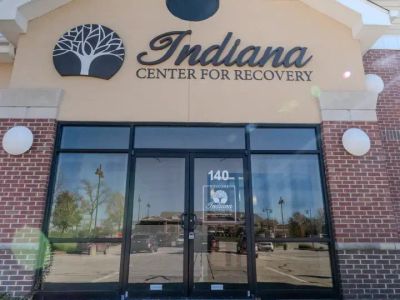
Indiana Center For Recovery - Alcohol & Drug Rehab Center Carmel
Carmel, Indiana
14555 Hazel Dell Pkwy #140, Carmel, IN 46033
Get Personalized Rehab Matches in 60 Seconds
Tell us a few details and we’ll show a personalized shortlist of verified Indiana rehabs, making it simple to compare options and choose your next step with confidence.



Recover Together - Martinsville
Martinsville, Indiana
225 Morton Ave Martinsville, IN 46151


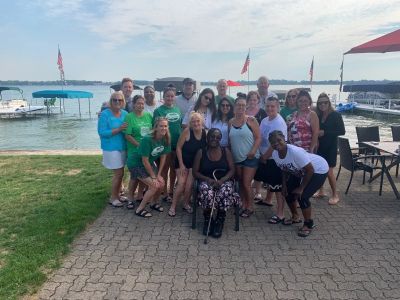
Seeds of Hope
Indianapolis, Indiana
1425 South Mickey Avenue, Indianapolis, IN, 46241

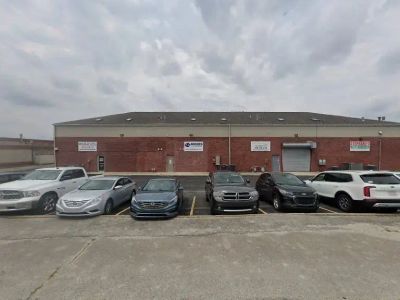
ADTR Center - Alcohol & Drug Addiction Treatment
Crown Point, Indiana
10707 Randolph St, Crown Point, IN 46307
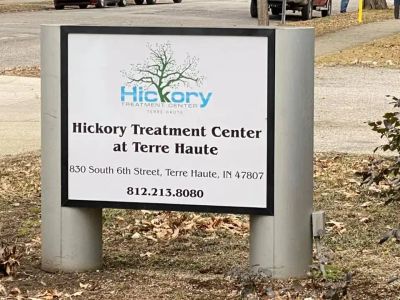


Hickory Treatment Center at Terre Haute
Terre Haute, Indiana
830 S 6th St, Terre Haute, IN 47807



1501 A St NE, Linton, IN 47441



Avenues Recovery Center at Indianapolis
Indianapolis, Indiana
7960 Shadeland Ave, Indianapolis, IN 46250

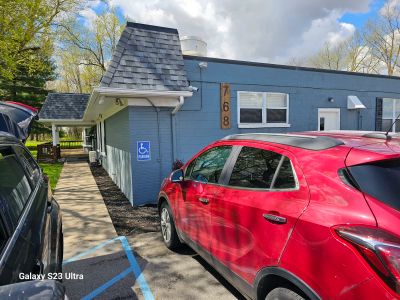
Hickory Treatment Center at Rockville
Rockville, Indiana
768 N U.S. 41, Rockville, IN 47872



Kentuckiana Integrative Medicine
Jeffersonville, Indiana
405 E Court Ave #102, Jeffersonville, IN 47130
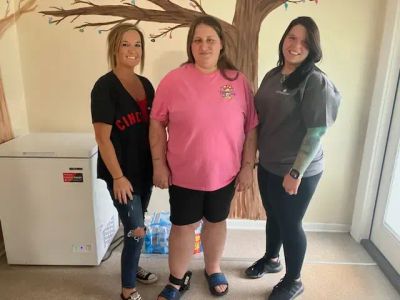


Centerstone Recovery Transitional Housing
Lexington, Indiana
2520 Parker Ln, Lexington, IN 47138

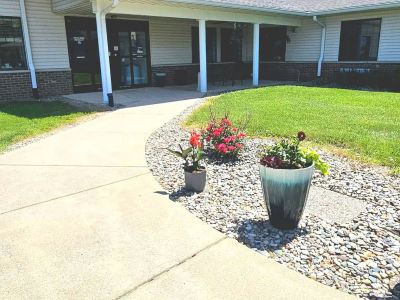

Hickory Treatment Center at Albion
Albion, Indiana
600 Trail Ridge Rd, Albion, IN 46701
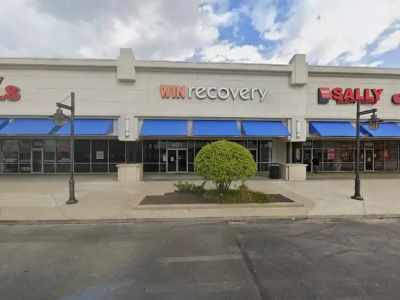


WIN Recovery
Plainfield, Indiana
401 Plainfield Commons Dr, Plainfield, IN 46168



Aspire Indiana Health - Progress House
Indianapolis, Indiana
201 Shelby St., Indianapolis, IN, 46202



Hickory Treatment Center at Indianapolis
Indianapolis, Indiana
2926 N Capitol Ave, Indianapolis, IN 46208



Northern Path Recovery Center
Fort Wayne, Indiana
3110 E Coliseum Blvd, Fort Wayne, IN 46805





Wooded Glen Recovery Center
Henryville, Indiana
2602 Hebron Church Rd., Henryville, IN, 47126
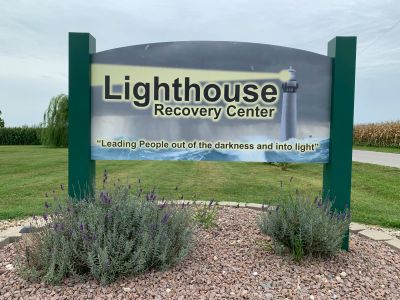

LightHouse Recovery Center
Washington, Indiana
313 East Main Street, Washington, IN, 47501
Why Trust Indiana Rehabs
As Hoosiers helping Hoosiers, we understand the unique challenges our communities face. Our team meticulously verifies every Indiana treatment center, ensuring you find trusted, local care that truly understands your journey.
About our listingsLevels of Care
Explore popular treatment options by levels of care, from flexible treatment in Outpatient centers to intensive care in Residential rehabs.
Free · 24/7 · Confidential
Talk to a Treatment Specialist
Call now to get matched with Indiana facilities that accept your insurance.
(888) 568-9930
Free
Ins. check
4.9★
Rating
HIPAA
Protected
Can't travel to a facility?
Licensed Indiana therapists via secure video — same-week appointments, evenings & weekends available.
It takes real courage to walk the path of recovery, and yet even with all your strength, the fear of slipping up can linger in the back of your mind. You're not alone, studies show that many people working toward sobriety experience relapse within the first year, even when their hope is strong. But relapse isn't a sign you've failed; it's a challenge that can be faced with the right tools and support. relapse prevention therapy offers you practical ways to meet those tough moments head-on and helps you lay the groundwork for a future that feels steady, real, and yours.

WHAT IS THE THEORY BEHIND RELAPSE PREVENTION?
When you’re navigating the journey of recovery from addiction, it can feel like you're learning to walk all over again. relapse prevention therapy is like a steady hand to hold, giving you the skills and confidence to stay on your feet. At its heart, it’s a form of cognitive-behavioral therapy designed to help you recognize and manage the high-risk situations that might lead you back to substance use. Instead of just hoping for the best, this approach gives you a practical, personalized game plan for staying sober.
The therapy was developed by psychologist G. Alan Marlatt, who saw that people needed more than just the desire to quit. They needed tools. His work was built on the idea that you can learn to anticipate your triggers and develop healthier ways to cope with them before they become overwhelming. A core part of this is understanding the difference between a "lapse" and a "relapse." A lapse is a single slip-up, a moment of weakness. It doesn’t have to be a catastrophe. A relapse, on the other hand, is a full return to old patterns of use[1]. One of the biggest dangers after a lapse is something called the "abstinence violation effect." This is when feelings of guilt and failure after a single drink or use become so intense that you think, "I've already blown it, so I might as well keep going." relapse prevention therapy helps you see a lapse not as a failure, but as a crucial learning moment, a chance to figure out what went wrong and strengthen your strategy for next time.
The Stages of Relapse
Relapse rarely happens out of the blue. It’s more like a slow burn than a sudden explosion. It’s a process that unfolds in stages, often beginning long before you even think about using again. Understanding these stages is empowering because it gives you the chance to see the warning signs and step in before things go too far. The earlier you recognize what’s happening, the more power you have to change course and stay grounded in your recovery.
Emotional Relapse
In the emotional relapse stage, you aren't actively thinking about using. In fact, the thought might be the furthest thing from your mind. But your emotions and behaviors are quietly setting the stage for a future slip. You might notice yourself feeling anxious, irritable, or angry more often. Maybe you’re bottling up your feelings or isolating yourself from the people who support you. Poor self-care is a huge red flag here, things like skipping meals, not sleeping well, or letting your daily routines slide. These are the subtle warning signs that your emotional foundation is getting shaky, making you more vulnerable down the road.
Mental Relapse
When you enter mental relapse, there’s a war going on in your head. Part of you wants to stay sober, but another part starts thinking about using again. This is where cravings can hit hard. You might find yourself fantasizing about the "good times" you had while using or thinking about people and places from your past. This addictive thinking can be tricky; you might start bargaining with yourself ("just one won't hurt") or downplaying the negative consequences you worked so hard to escape. This internal conflict is exhausting, and it’s a sign that you need to reach for your coping skills and support system right away. Learning to manage these thoughts is a key part of what you’ll learn in cognitive-behavioral therapy.
Physical Relapse
Physical relapse is the final stage, where you actually pick up a drink or a drug. It's the moment that follows the internal struggle of mental relapse. It often starts as a "lapse", a single use, but can quickly spiral into a full-blown relapse where you lose control and return to your old patterns. It’s so important to remember that reaching this stage doesn’t mean you’ve failed. It just means that the pressures from the emotional and mental stages became too much to handle alone. Recognizing the earlier signs gives you the power to intervene long before it ever gets to this point.

WHAT HAPPENS IN RELAPSE PREVENTION?
Stepping into relapse prevention therapy, whether in a one-on-one or group setting, is all about getting practical. It’s not just talking about your problems; it’s about building a toolkit of real-world skills to protect your sobriety. Think of it as a workshop for your recovery, where you learn how to handle the challenges life throws at you without turning back to old habits. The goal is to help you feel confident and prepared, knowing you have a plan for when things get tough. Given that a high percentage of individuals relapse in their first year, these proactive skills are not just helpful, they're essential[2].
Here are some of the core strategies you'll learn:
- Identifying Your Personal Triggers: You'll take a close look at the specific people, places, feelings, and situations that create a desire to use. Understanding your unique high-risk situations is the first step toward managing them.
- Developing Healthy Coping Skills: Instead of automatically reaching for a substance to deal with stress, boredom, or sadness, you'll learn new, healthy coping skills. This could include anything from mindfulness and exercise to calling a friend or engaging in a hobby.
- Managing Cravings and Urges: Cravings are a normal part of early recovery, but they don't have to control you. You’ll learn techniques like "urge surfing," where you ride out the craving without giving in, knowing that it will pass.
- Cognitive Restructuring: This is a powerful technique that helps you challenge and change the unhelpful thought patterns that can lead to relapse[3]. You'll learn to recognize addictive thinking and replace it with more balanced and realistic thoughts.
- Building a Strong Support Network: Isolation is an enemy of recovery. Therapy will help you identify and strengthen your support system, whether it’s family, friends, a sponsor, or a support group. You'll learn how to ask for help and lean on others when you need to.
- Lapse Management: You and your therapist will create a plan for what to do if you have a slip. This isn't about planning to fail; it's about being prepared to get back on track immediately, without letting a lapse turn into a full relapse.
The Five Rules of Recovery
While everyone's recovery journey is unique, there are some simple, powerful principles that can create a strong foundation for sobriety. Think of these "five rules" as your guideposts, a practical framework to help you build a lifestyle that doesn’t just avoid relapse, but actively supports your well-being. Following them helps make it easier to stay on the right path, day by day.
Rule 1: Change Your Life
Recovery is so much more than just putting down drugs or alcohol. It's about building a new life where it's easier not to use. If you go right back to the same friends, same places, and same routines, you’re making your journey much harder than it needs to be. Changing your life means actively creating a new environment. This could look like finding new hobbies that you’re passionate about, ending relationships that are centered around substance use, or even just finding a new route to drive home to avoid passing your old bar. It’s about creating new, healthy habits and routines that fill your life with purpose and joy, leaving less room for the old ways.
Rule 2: Be Completely Honest
Addiction often thrives in secrecy. Dishonesty, even small white lies, can be a slippery slope back to old behaviors. Being completely honest is about breaking that cycle. It means being honest with yourself about your feelings and cravings, and it means being honest with the people in your support system. If you’re struggling, telling your therapist, sponsor, or a trusted loved one is one of the most powerful things you can do. Honesty builds trust and accountability, and it takes away the power that secrets hold. It’s about living an open, authentic life where you don’t have to hide.
Rule 3: Ask for Help
Somewhere along the way, many of us learned to see asking for help as a sign of weakness. In recovery, it’s a sign of strength. You don't have to carry the weight of your recovery all by yourself. It’s okay to be vulnerable and admit when you’re not okay. Whether you’re reaching out to a therapist, going to a support group like AA or NA, or calling your sponsor, asking for help is a vital skill[4]. Building a strong support system means you have people to call before a bad day turns into a crisis. Don't wait until you're at a breaking point to reach out.
Rule 4: Practice Self-Care
When you're exhausted, stressed, and run down, you’re much more vulnerable to relapse. Practicing self-care is not selfish; it’s a necessary part of maintaining your physical and emotional health. This means tending to your basic needs: eating nutritious meals, getting enough sleep, and moving your body regularly. It also includes taking care of your emotional well-being through stress management techniques like mindfulness, meditation, or simply making time for activities you enjoy. Good self-care helps you build resilience, making you better equipped to handle life's challenges without needing to escape through substance use.
Rule 5: Don't Bend the Rules
In recovery, the little compromises can be the most dangerous. It starts with a seemingly harmless thought: "Just one drink won't hurt," or "I'll just go to the bar to see my friends, I won't drink." This kind of thinking is a classic example of relapse justification. Bending the rules you’ve set for your recovery is like making a small crack in a dam, it can quickly lead to a flood. Sticking to your boundaries, even when it’s uncomfortable, is crucial for protecting your sobriety. It’s about remembering why you started this journey and honoring the commitment you made to yourself.
Finding Relapse Prevention Therapy in Indiana
Understanding what relapse prevention therapy is and how it works is the first step. The next is finding the right support here in Indiana. The good news is that RPT isn't a niche or rare treatment; it's a core component of nearly every high-quality addiction treatment program in the state. In fact, Indiana's Division of Mental Health and Addiction (DMHA) certifies providers who offer these evidence-based services, ensuring you have access to effective care[5]. Whether you're looking for an inpatient program or flexible outpatient options, you can find a facility that integrates relapse prevention into its curriculum[6].
When you start looking at different rehab programs, it’s a good idea to have some questions ready. This helps you understand their specific approach and find the best fit for you. Here are a few things you might ask an admissions team:
- What specific relapse prevention model do you use in your program?
- How is relapse prevention integrated into daily therapy and activities?
- Do you create a personalized relapse prevention plan for each client?
- How does your aftercare planning support long-term relapse prevention?
Navigating your options can feel overwhelming, but you don’t have to do it alone. You can start by exploring local levels of addiction treatment or using online resources like SAMHSA's FindTreatment.gov to see certified providers near you. Many people worry about the cost of treatment, but help is often more accessible than you think. The easiest way to start is to verify your insurance to see what’s covered. Taking that one small step can open the door to the support you deserve.
Building a Foundation for Lasting Recovery
At the end of the day, relapse prevention therapy is not about living in fear of slipping up. It's about empowerment. It’s about trading anxiety for a toolkit filled with practical, effective skills that help you build confidence in your sobriety. This journey is about learning to navigate the inevitable challenges of life with new strength and resilience. It's about building a future you can be proud of.
Remember, a lapse is not a sign of failure. It's an opportunity to learn, adjust your strategy, and strengthen your commitment to recovery. Every day you practice these new coping skills, you are laying another brick in the foundation of a healthy, fulfilling life. You have the courage to walk this path, and with the right support and tools, you can build a long-term recovery that is steady, authentic, and truly your own. The journey isn't always easy, but hope is real, and a vibrant life in sobriety is completely possible.
You’ve already taken the first brave step by seeking out information. If you feel lost or overwhelmed, please know that help is just a phone call away. Our team is here to listen without judgment and guide you toward the right support for your unique situation. You can reach us anytime at (888) 568-9930. At Indiana Rehabs, we believe in you and your ability to build a lasting recovery. To take the next step, please contact us today.
Frequently Asked Questions About Relapse Prevention Therapy
What is the difference between a lapse and a relapse?
Is relapse a sign of failure in recovery?
What are some common relapse triggers?
Can I use relapse prevention skills even if I’m in long-term recovery?
How can I support a loved one in their relapse prevention plan?
- Melemis, S. M. (2023). Addiction relapse prevention. StatPearls Publishing. ncbi.nlm.nih.gov
- (2024). PROGRESS. IN.gov. in.gov
- Substance Abuse and Mental Health Services Administration. (2025). Evidence-Based Practices Resource Center. SAMHSA. samhsa.gov
- Centers for Disease Control and Prevention. (2025). Linking people with Opioid Use Disorder to medication treatment. Centers for Disease Control and Prevention. cdc.gov
- Indiana Family and Social Services Administration. (2020). About DMHA. IN.gov. in.gov
- U.S. Department of Health & Human Services. (2021). State Residential Treatment for Behavioral Health: Indiana. ASPE. aspe.hhs.gov