
Seeking Safety Therapy in Indiana



Showing 17 of 17 Results (filtered)
Featured Rehab Centers

1411 W County Line Rd, Suite 1411A, Greenwood, IN 46142

Addiction Rehab Centers - ARC At Bayside | Indianapolis Drug & Alcohol Rehab
Indianapolis, Indiana
5929 Lakeside Blvd, Indianapolis, IN 46278

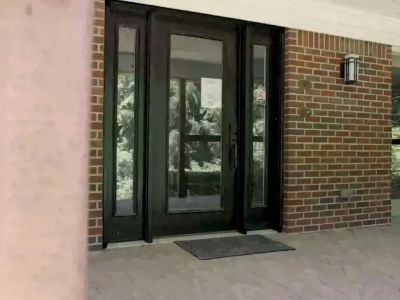
Addiction Rehab Centers - ARC at Fox Hill | Drug & Alcohol Rehab - Mooresville Indiana
Mooresville, Indiana
12168 N Mann Rd, Mooresville, IN 46158
Get Personalized Rehab Matches in 60 Seconds
Tell us a few details and we’ll show a personalized shortlist of verified Indiana rehabs, making it simple to compare options and choose your next step with confidence.

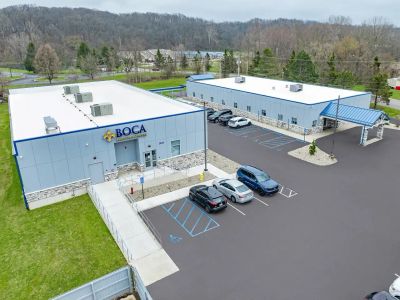

Boca Recovery Center - Fort Wayne, Indiana
Fort Wayne, Indiana
111 W Berry St #211, Fort Wayne, IN 46802
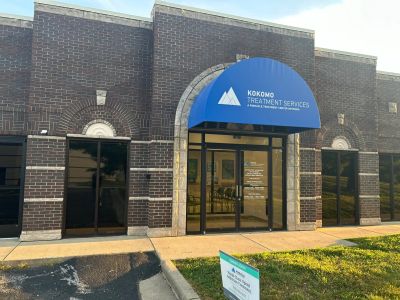
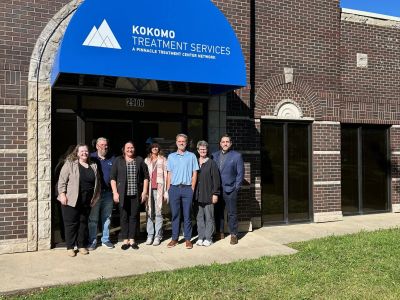
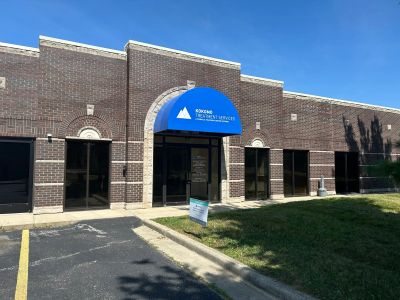
Pinnacle Treatment Centers - Kokomo
Kokomo, Indiana
2906 S. Reed Rd. Kokomo, IN 46902


Cardinal Recovery
Franklin, Indiana
1130 West Jefferson St, Franklin, IN, 46131


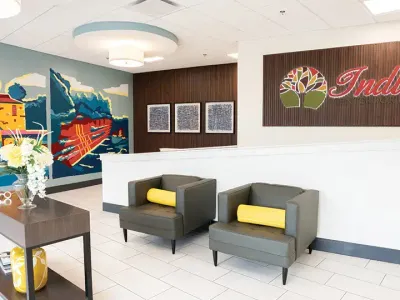
Indiana Center for Recovery - Alcohol & Drug Rehab Center Bedford
Bedford, Indiana
1600 23rd St, Bedford, IN 47421
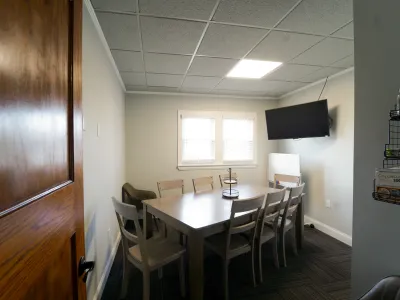

First City Recovery Center
Kokomo, Indiana
317 W Jefferson St, Kokomo, IN, 46901



Parkdale Center
Chesterton, Indiana
350 Indian Boundary Rd., Chesterton, IN, 46304


Wooded Glen Recovery Center
Henryville, Indiana
2602 Hebron Church Rd., Henryville, IN, 47126
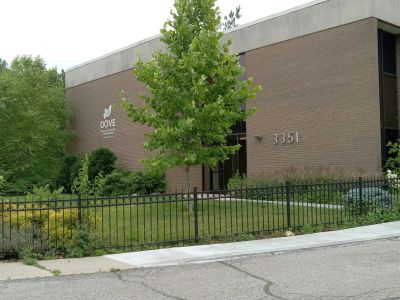
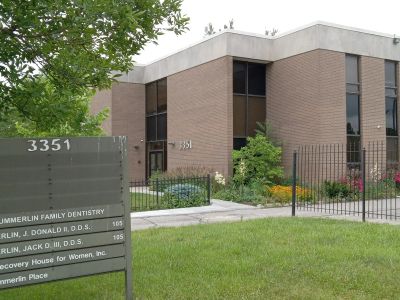
Dove Recovery House for Women
Indianapolis, Indiana
3351 N Meridian St #110, Indianapolis, IN 46208
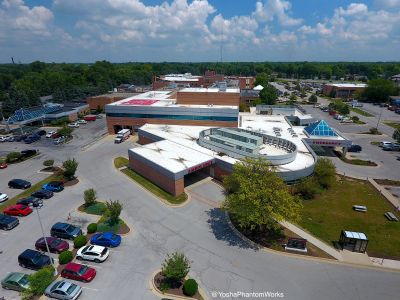
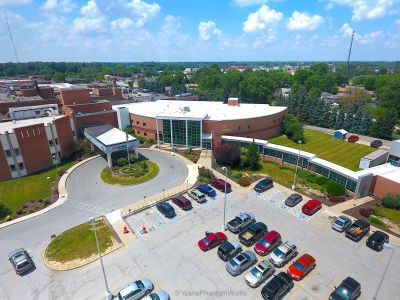

Community Health Network - Community Howard Regional Health
Kokomo, Indiana
3500 South Lafountain Street, Kokomo, IN, 46902



Madison State Hospital
Madison, Indiana
711 Green Road, Madison, IN, 47250

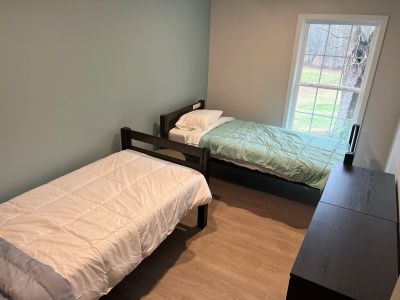
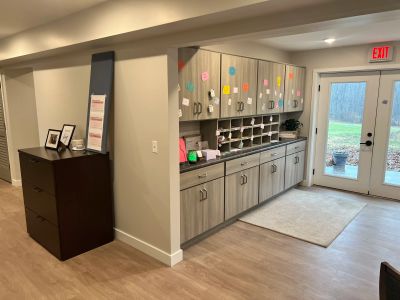
Dove Recovery House for Women- Dubois County
Jasper, Indiana
1480 Knust St, Jasper, IN 47546
Pinnacle Treatment Centers - 581 E. Main Street
Hagerstown, Indiana
581 E. Main Street Hagerstown, IN 47346
Pinnacle Treatment Centers - 8955 Broadway
Merrillville, Indiana
8955 Broadway Merrillville, IN 46410
Southwestern Behavioral Healthcare - Faren E. Levell Center
Evansville, Indiana
410 Mulberry St. Evansville, IN 47713
Why Trust Indiana Rehabs
As Hoosiers helping Hoosiers, we understand the unique challenges our communities face. Our team meticulously verifies every Indiana treatment center, ensuring you find trusted, local care that truly understands your journey.
About our listingsLevels of Care
Explore popular treatment options by levels of care, from flexible treatment in Outpatient centers to intensive care in Residential rehabs.
Free · 24/7 · Confidential
Talk to a Treatment Specialist
Call now to get matched with Indiana facilities that accept your insurance.
(888) 568-9930
Free
Ins. check
4.9★
Rating
HIPAA
Protected
Can't travel to a facility?
Licensed Indiana therapists via secure video — same-week appointments, evenings & weekends available.
It can feel like an impossible cycle: trauma fuels substance use, and substance use keeps you locked away from the healing you so desperately want. Where do you even begin to break free when each struggle only feeds the other? If this sounds painfully familiar, there’s a therapy designed just for you, one that helps you find safety in the present moment while working through both challenges. The good news is you don’t have to look far; accessible support is available right here in Indiana.

Seeking Safety: Therapy for Trauma and Substance Abuse
When you're dealing with the weight of both trauma and a substance use disorder (SUD), it’s easy to feel lost. The two are often deeply connected, creating a cycle that’s incredibly difficult to break on your own. This is where seeking safety therapy comes in. It’s an integrated treatment model specifically designed to help people who are navigating the complexities of post-traumatic stress disorder (PTSD) and substance abuse at the same time.
Unlike some therapies that require you to dig deep into past traumatic events right away, seeking safety focuses on the here and now. The primary goal isn’t to re-live painful memories but to help you establish a sense of safety in your present life. This present-focused approach makes it a powerful and gentle intervention for those in the early stages of recovery.
The connection between trauma and substance use is undeniable. Many people turn to substances as a way to cope with the overwhelming stress and emotional pain that follows a traumatic experience. This is why a dual diagnosis approach is so important. Treating one issue without addressing the other often leaves you vulnerable to relapse. seeking safety was created to treat both conditions simultaneously, recognizing that true healing requires an integrated plan.
This therapy is built on a few core principles:
- Safety-Oriented: The number one priority is helping you find safety. This includes physical safety, emotional safety, and safety in your relationships and actions.
- Present-Focused: The work centers on what you can do today to build a safer, healthier life. It equips you with practical coping skills to manage triggers and stress right now.
- Client-Centered: You are an active partner in your treatment. The therapist respects your experiences and works with you to set goals that feel right for your journey.
- Trauma-Informed: The entire approach is built on an understanding of how the effects of trauma can shape a person's life and behaviors. It’s a compassionate framework that avoids blame and focuses on healing.
seeking safety is for anyone struggling with the dual diagnosis of PTSD and SUD. Its main goals are to help you reduce substance use, build healthy coping skills, and ultimately, create a life where you feel secure and in control.
Strengths and limitations
When you’re considering any kind of therapy, it’s natural to wonder, "Does this actually work?" For seeking safety, a growing body of evidence shows that it can make a real difference. Numerous studies and clinical trials have explored its effectiveness, with many finding positive outcomes for people with co-occurring PTSD and substance use disorders.
One of the biggest strengths of this therapy is its flexibility. It can be offered in a group setting, where you can connect with others who have similar experiences, or through individual sessions for more personalized attention. It's also designed to be used by a wide range of clinicians, from licensed therapists to trained counselors, making it more accessible in different treatment settings.
Much of the research supporting seeking safety therapy comes from studies that show a significant reduction in substance use and PTSD symptom severity. Some of the most compelling evidence comes from a type of research called a meta-analysis, which combines the results of many different studies to get a clearer, more reliable picture of the overall outcomes.
What is a Meta-Analysis?
Think of a meta-analysis as a "study of studies." Instead of conducting new research, scientists gather all the high-quality studies already done on a topic (like seeking safety) and use statistical methods to combine their results. This gives a stronger, more dependable conclusion than any single study could on its own.
Of course, like any therapy, seeking safety has its limitations. Some research suggests that while it’s excellent for establishing safety and reducing substance use, other therapies might be needed later on to more deeply process the traumatic memories themselves. It’s not a one-size-fits-all cure, but rather a powerful first step in building a foundation for lasting recovery. The focus is on stabilization, which is exactly what many people need to begin their healing journey. More research is always being done to understand who benefits most from this approach and how it can be adapted for even better results.
Supporting information
Finding the right help is the most important step you can take, and you don’t have to do it alone. It's important to know that Indiana Rehabs is a directory and resource hub, not a direct therapy provider. Our mission is to connect you with trusted, professional treatment providers right here in Indiana who can offer the specialized care you need.

You can use our platform to filter for facilities that specialize in trauma, PTSD, and dual diagnosis treatment. This allows you to find programs that understand the unique challenges of what you're going through. When you reach out to potential providers, having a few questions ready can help you feel more confident and ensure you find the right fit. Consider asking:
- Do your therapists have specific training or certification in seeking safety?
- How do you integrate trauma care with addiction treatment in your programs?
- What does a typical therapy session or group session look like?
- Can you explain how you create a safe and supportive environment for clients?
- What kind of support is available for families?
Navigating the financial side of treatment can also feel overwhelming. We encourage you to take the simple step to verify your insurance to see what your plan covers. If you're ready to talk to someone right now, our confidential helpline is available 24/7.
seeking safety offers a hopeful, evidence-based path toward healing from trauma and addiction. It's a journey centered on rediscovering your strength and building a life rooted in safety and peace. Taking that first step, whether it’s making a call or exploring providers, is a brave move toward the recovery you deserve.
Healing is possible, and it starts with finding the right support. If you're ready to break the cycle of trauma and substance use, compassionate and professional help is available. You can browse local providers, explore treatment options, or give us a call at (888) 568-9930 to speak with a caring specialist today. At Indiana Rehabs, we're here to help you find your way forward. If you have questions or need help navigating your options, don't hesitate to contact us for guidance.