
Rehabs with Shared Rooms

Showing 20 of 99 Results (filtered)
Featured Rehab Centers

1411 W County Line Rd, Suite 1411A, Greenwood, IN 46142

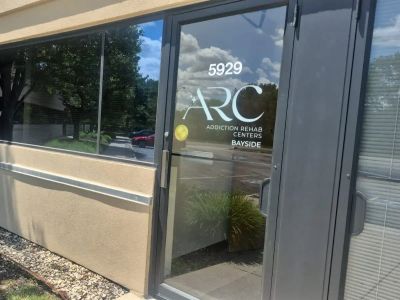
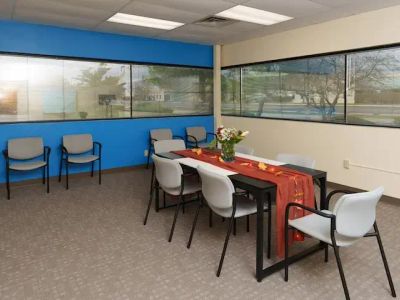
Addiction Rehab Centers - ARC At Bayside | Indianapolis Drug & Alcohol Rehab
Indianapolis, Indiana
5929 Lakeside Blvd, Indianapolis, IN 46278


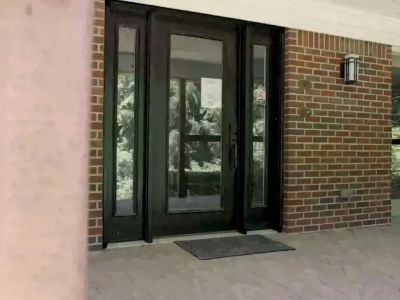
Addiction Rehab Centers - ARC at Fox Hill | Drug & Alcohol Rehab - Mooresville Indiana
Mooresville, Indiana
12168 N Mann Rd, Mooresville, IN 46158
Get Personalized Rehab Matches in 60 Seconds
Tell us a few details and we’ll show a personalized shortlist of verified Indiana rehabs, making it simple to compare options and choose your next step with confidence.
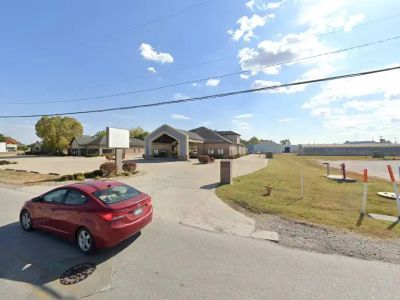
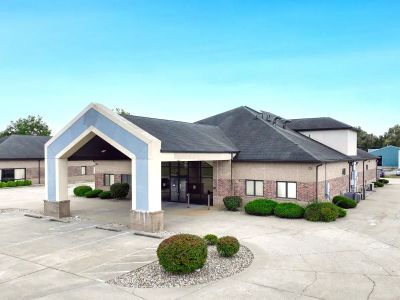
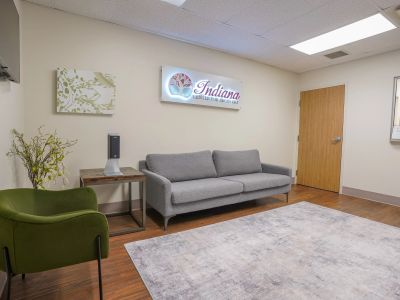
Indiana Center For Recovery- Alcohol & Drug Rehab Terre Haute
Terre Haute, Indiana
135 E Hospital Ln, Terre Haute, IN 47802
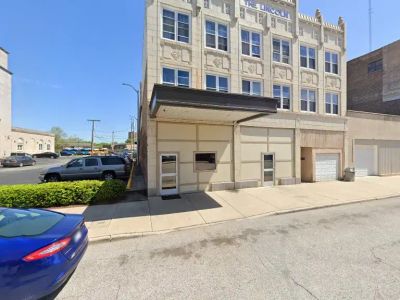

Better Roads Recovery Ministry
Hammond, Indiana
519 State St #1533, Hammond, IN 46320



Boca Recovery Center - Indiana Drug and Alcohol Rehab
Huntington, Indiana
3040 W Park Dr, Huntington, IN 46750


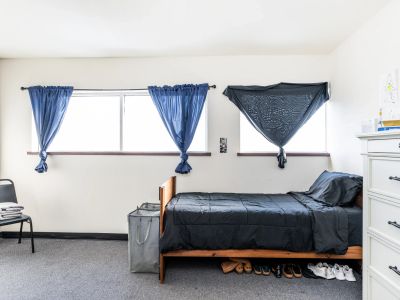
Cardinal Recovery
Franklin, Indiana
1130 West Jefferson St, Franklin, IN, 46131

Serenity House Inc
Clarksville, Indiana
200 Homestead Ave, Clarksville, IN 47129



Addiction Rehab Centers - ARC
Indianapolis, Indiana
7322 Noel Road, Indianapolis, IN, 46278
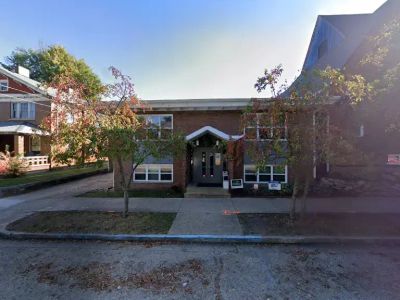


Next Step Foundation Terra Haute
Terre Haute, Indiana
619 Washington Ave, Terre Haute, IN 47802



Recovery Centers of America at Indianapolis
Indianapolis, Indiana
8530 Township Line Rd, Indianapolis, IN 46260

The Way of Rockport Indiana
Rockport, Indiana
317 Main Street, Rockport, IN, 47635
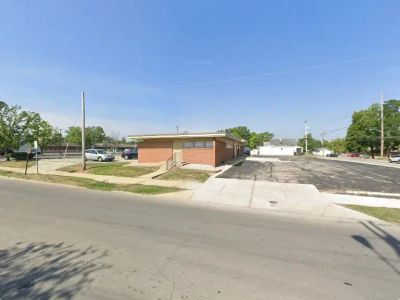
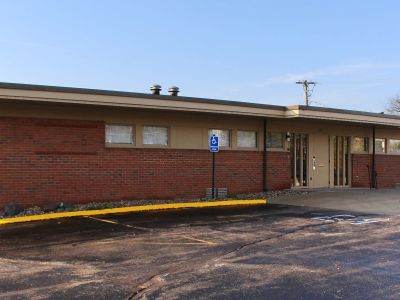

Aspire Indiana Health - Anderson
Anderson, Indiana
215 West 19th St Anderson, Anderson, IN, 46016
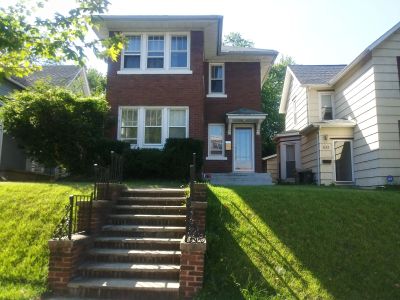
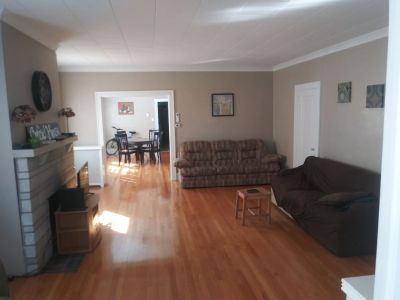
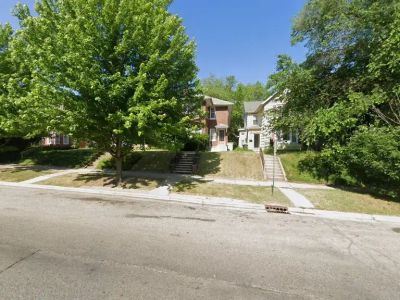
Oxford House - Emyla
South Bend, Indiana
631 North Lafayette Boulevard, South Bend, IN, 46601
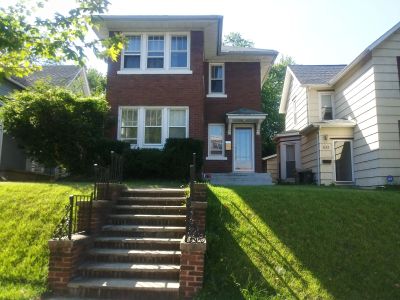
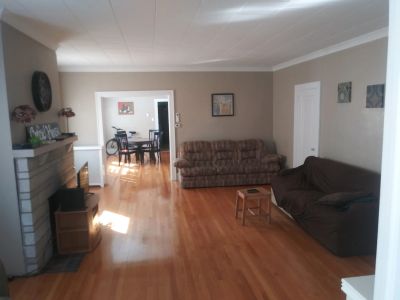
Oxford House - Mariposa
South Bend, Indiana
613 Roseview Terrace, South Bend, IN, 47150



LifeSpring Health Systems - Washington County Office
Salem, Indiana
1321 South Jackson Street, Salem, IN, 47167



Centerstone - North Marr Road
Columbus, Indiana
720 North Marr Road, Columbus, IN, 47201
Southwestern Behavioral Healthcare - Warrick Regional Office
Boonville, Indiana
315 South 3rd Street, Boonville, IN 47601



Oxford House - Kai
Greenwood, Indiana
4060 Tarry Lane, Greenwood, IN, 46142
Why Trust Indiana Rehabs
As Hoosiers helping Hoosiers, we understand the unique challenges our communities face. Our team meticulously verifies every Indiana treatment center, ensuring you find trusted, local care that truly understands your journey.
About our listingsLevels of Care
Explore popular treatment options by levels of care, from flexible treatment in Outpatient centers to intensive care in Residential rehabs.
Free · 24/7 · Confidential
Talk to a Treatment Specialist
Call now to get matched with Indiana facilities that accept your insurance.
(888) 568-9930
Free
Ins. check
4.9★
Rating
HIPAA
Protected
Can't travel to a facility?
Licensed Indiana therapists via secure video — same-week appointments, evenings & weekends available.
When you picture addiction treatment, do you see a lonely room or a supportive community? For many people, the journey starts not in solitude, but in a space shared with others, where conversations last into the quiet hours and small acts of understanding can make all the difference. While it’s easy to imagine rehab as isolating, the truth is, sharing a room can be one of your greatest strengths, offering affordability and the chance to build real connections from the very beginning. In Indiana, these shared moments are often where real healing begins.

What to Expect from Shared Rooms in Rehab
The idea of a shared room can feel a little uncertain, but these accommodations are designed for comfort, safety, and structure. Most often, you’ll find double-occupancy rooms, though some facilities may offer suite-style arrangements with a few residents sharing a larger space and bathroom. Regardless of the layout, these environments are kept clean and organized, providing a stable setting for your treatment. In Indiana, facilities must follow state regulations that ensure you have adequate personal space[1]. Your days during inpatient rehab are highly structured with therapy and activities, so you'll spend less time in your room and more time actively engaged in your recovery.
Benefits of Rehab Centers with Shared Rooms
Choosing a shared room isn't just about the physical space; it's about the supportive environment it creates. Some of the most significant benefits include:
- Greater Affordability: Shared accommodations significantly lower the cost of treatment, making essential care more accessible. This is often the most practical choice for many individuals and families.
- Immediate Peer Support: Addiction can be incredibly isolating. Having a roommate means you have someone right there who understands what you’re going through, which can reduce feelings of loneliness from day one.
- Built-In Accountability: When you share a space, you naturally encourage each other to stick to the program, get to sessions on time, and stay focused on recovery goals.
- Practicing Social Skills: Recovery involves relearning how to communicate and connect with others in a healthy way. A roommate relationship is a safe place to practice empathy, patience, and boundary-setting.
Building a Foundation of Peer Support
The early days of recovery can be the toughest, and not having to face them alone makes a world of difference. Your roommate can be your first ally in this journey. They're there to talk with after a difficult therapy session, offer a word of encouragement when you’re feeling low, or simply remind you that you’re not the only one fighting this battle. This shared experience helps build a strong foundation of peer support, which studies show is a key element in improving treatment outcomes and engagement[2]. It’s in these quiet, shared moments that the supportive environment of rehab truly comes to life.
Potential Challenges and How to Navigate Them

Of course, sharing a space with someone new comes with potential challenges. You might have different sleeping habits, or personality clashes could arise. This is completely normal, and rehab centers are prepared for it. To ensure a safe and respectful environment, facilities have clear rules and structured schedules. The admissions team also puts careful thought into roommate pairing. If a conflict does occur, staff members are trained in mediation to help you and your roommate communicate effectively and find a solution. Think of these moments as opportunities to practice the healthy coping skills you’re learning in therapy.
Ensuring Personal Space and Privacy
While you are sharing a room, your personal space and privacy are still a priority. Rehabs accomplish this by setting clear boundaries and rules for everyone to follow. This includes established quiet hours, guidelines for personal belongings, and a culture of mutual respect. It’s also important to remember that most of your day is spent outside your room in various therapeutic activities like individual counseling, group therapy, and holistic workshops. The room is primarily for rest and sleep, and the busy schedule ensures you have plenty of time and space for yourself throughout the day.
Shared vs. Private Rooms: Making the Right Choice
Deciding between a shared and private room depends on your personality, budget, and specific needs. Both treatment options have their place in recovery. While a private room offers more solitude, shared rooms provide unique social and financial benefits. Most insurance plans, including Indiana's Medicaid programs, cover shared accommodations as the standard of care for residential treatment[3]. Securing a private room often requires a specific medical justification or additional out-of-pocket costs[4]. For those who value connection and affordability, a shared room is an excellent choice.
| Feature | Shared Room | Private Room |
|---|---|---|
| Cost | More affordable, standard option covered by most insurance. | Higher cost, often requires out-of-pocket payment or medical necessity. |
| Social Interaction | High; constant opportunity for peer support and connection. | Low; provides solitude and minimal interaction in living space. |
| Privacy | Limited; space and time are shared with a roommate. | High; offers personal space for reflection and quiet time. |
| Accountability | High; built-in peer support encourages adherence to program. | Lower; relies solely on self-motivation and staff interaction. |
How to Find Rehabs with Shared Rooms in Indiana
Finding the right rehab is a crucial step. As you explore different centers, don't hesitate to ask their admissions teams specific questions about their accommodations. Inquire about their roommate matching process, the rules of the living spaces, and what amenities are included. Many treatment centers offer virtual tours on their websites, which can give you a better feel for the environment. The most important first step is understanding your coverage. You can verify your insurance to see what your plan will cover, which makes the decision-making process much clearer.
Your Path to a Supported Recovery
Choosing the right environment is a personal decision, but it's important to remember that recovery doesn't happen in isolation. Rehabs with shared rooms offer a powerful start to this journey, creating a space where you can build connections, feel understood, and hold each other accountable. This foundation of peer support can become one of your greatest strengths, reminding you that you are truly not alone in this fight. The most important step is the one you take toward healing.
Your journey to recovery can start today. The team at Indiana Rehabs is here to help you find the right care. Call us at (888) 568-9930 or contact us online to learn more about treatment centers in Indiana that fit your needs.
Frequently Asked Questions About Shared Rooms in Indiana Rehabs
What if I don't get along with my roommate in rehab?
Will I have any privacy if I share a room in rehab?
How are roommates chosen in rehab?
Can my family visit me in a shared room at rehab?
Does insurance cover a private room in rehab?
Are private rooms better than shared rooms for recovery?
- Division of Mental Health and Addiction. (n.d.). ARTICLE 7.5. RESIDENTIAL LIVING FACILITIES FOR INDIVIDUALS WITH PSYCHIATRIC DISORDERS OR ADDICTIONS. Indiana Family and Social Services Administration. in.gov
- Mericle, A. A., Cliver, S. P., & Priester, M. A. (2022). The Role of Recovery Housing During Outpatient Substance Use Disorder Treatment. Journal of Psychoactive Drugs. pmc.ncbi.nlm.nih.gov
- Indiana Health Coverage Programs. (06-16-2021). Substance Use Disorder (SUD)/Serious Mental Illness (SMI) Treatment. IN.gov. in.gov
- Kaiser Family Foundation. (November, 2019). State Options for Medicaid Coverage of Inpatient Behavioral Health Services. KFF. kff.org