
Extended Care (90+ days) Programs in Indiana



Showing 20 of 59 Results (filtered)
Featured Rehab Centers
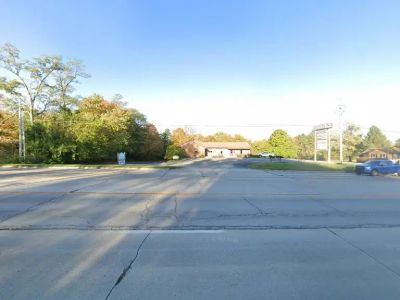
Centerstone - New Castle
New Castle, Indiana
3221 S Memorial Dr, New Castle, IN 47362

Hamilton Center Inc: Mathew Maleakal S MD
Terre Haute, Indiana
620 8th Ave, Terre Haute, IN 47804
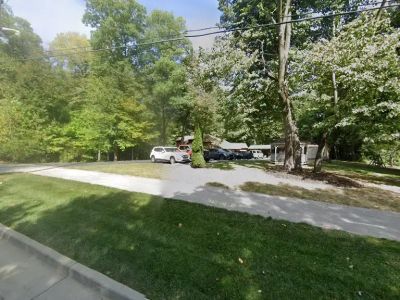
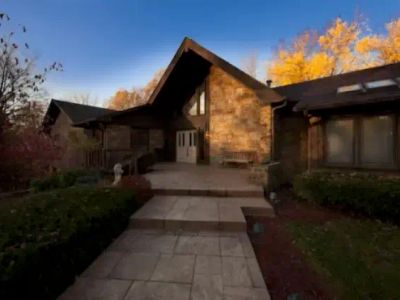
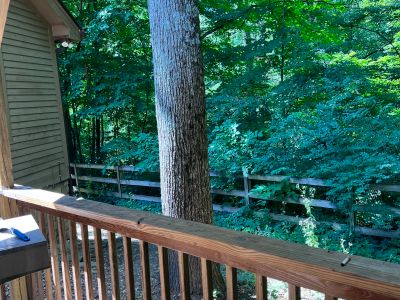
La Verna Lodge
Westfield, Indiana
1550 East 156th Street, Westfield, IN, 46074
Get Personalized Rehab Matches in 60 Seconds
Tell us a few details and we’ll show a personalized shortlist of verified Indiana rehabs, making it simple to compare options and choose your next step with confidence.
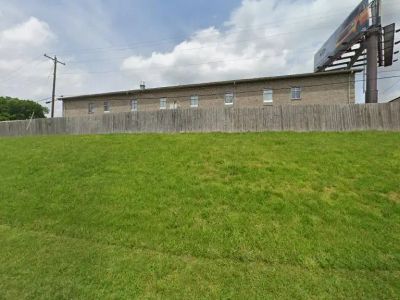

Serenity House Inc
Clarksville, Indiana
200 Homestead Ave, Clarksville, IN 47129


House of Hope of Madison County
Anderson, Indiana
902 High street, Anderson, IN, 46012
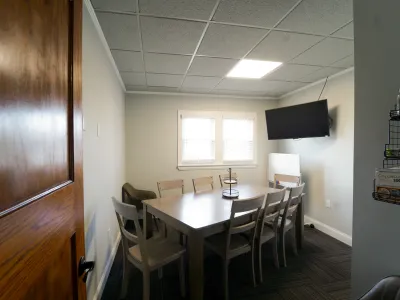
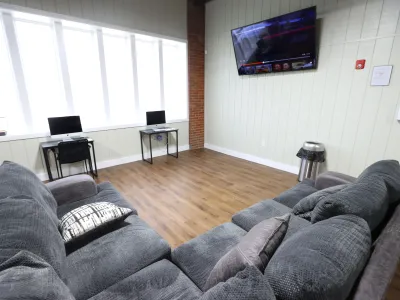
First City Recovery Center
Kokomo, Indiana
317 W Jefferson St, Kokomo, IN, 46901
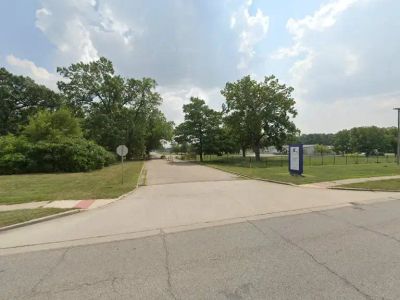

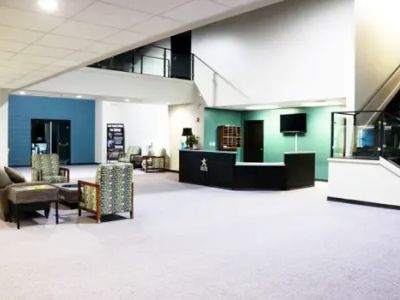
Adult and Teen Challenge Northern Indiana
Elkhart, Indiana
1111 W Bristol St, Elkhart, IN 46514



Recovery Centers of America at Indianapolis
Indianapolis, Indiana
8530 Township Line Rd, Indianapolis, IN 46260
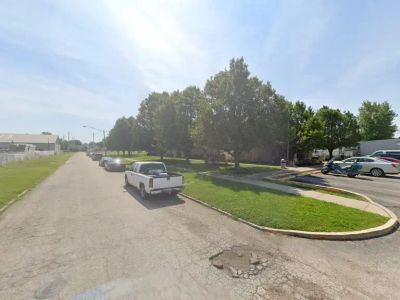
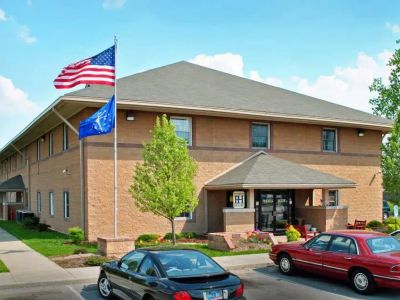

Aspire Indiana Health - Progress House
Indianapolis, Indiana
201 Shelby St., Indianapolis, IN, 46202

The Way of Rockport Indiana
Rockport, Indiana
317 Main Street, Rockport, IN, 47635
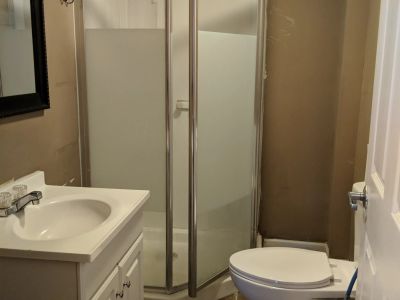
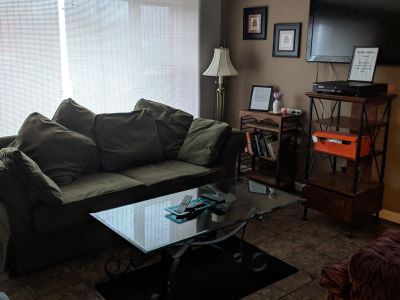
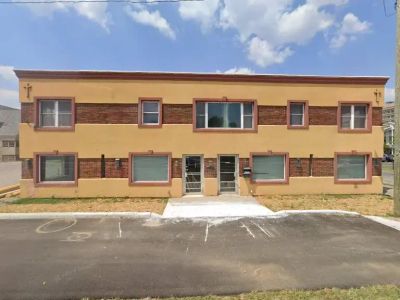
Oxford House - Indy
Indianapolis, Indiana
5126 East 76th Street Center, Indianapolis, IN, 46205
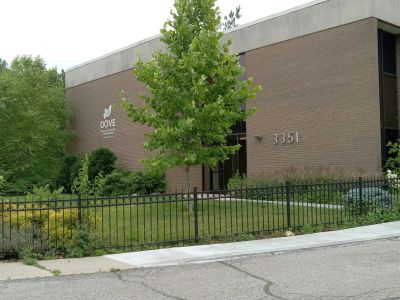
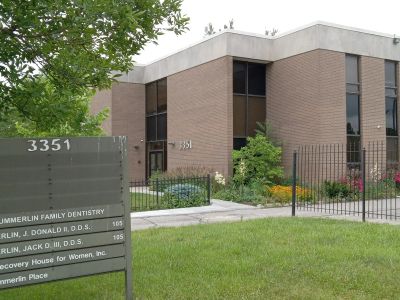
Dove Recovery House for Women
Indianapolis, Indiana
3351 N Meridian St #110, Indianapolis, IN 46208
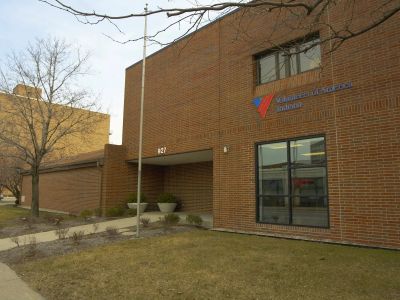
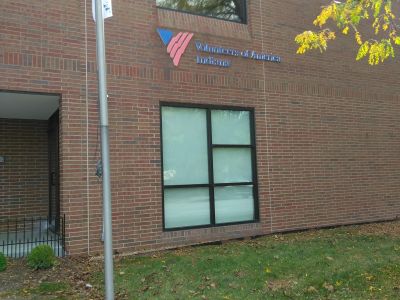
Volunteers of America - Behavioral Health Clinic
Indianapolis, Indiana
927 N. Pennsylvania Street, Indianapolis, Indiana 46204

Roadways to Recovery
Bedford, Indiana
2620 Industrial Park Dr, Bedford, IN 47421
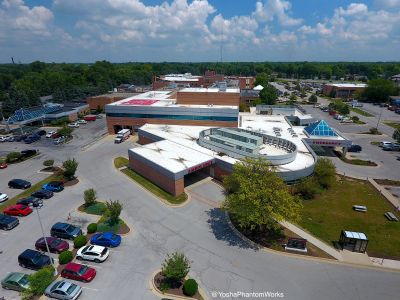
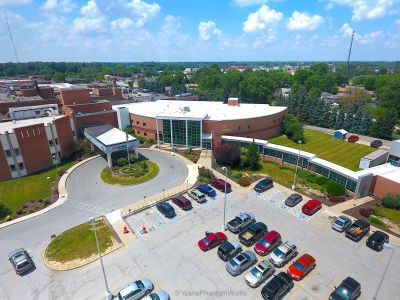

Community Health Network - Community Howard Regional Health
Kokomo, Indiana
3500 South Lafountain Street, Kokomo, IN, 46902

Adult and Child Center - Drake Road
Franklin, Indiana
86 Drake Road, Franklin, IN, 46131

Dunes Fellowship House
Michigan City, Indiana
211 E 6th St, Michigan City, IN 46360

Community Health Network - Gallahue Mental Health Services
Greenfield, Indiana
145 West Green Meadows Drive, Greenfield, IN 46140
INcompass Healthcare - West Eads Parkway
Lawrenceburg, Indiana
427 W Eads Pkwy, Lawrenceburg, IN 47025

Centerstone – Aspen House
North Vernon, Indiana
299 W Hayden Pike, North Vernon, IN 47265
Why Trust Indiana Rehabs
As Hoosiers helping Hoosiers, we understand the unique challenges our communities face. Our team meticulously verifies every Indiana treatment center, ensuring you find trusted, local care that truly understands your journey.
About our listingsLevels of Care
Explore popular treatment options by levels of care, from flexible treatment in Outpatient centers to intensive care in Residential rehabs.
Free · 24/7 · Confidential
Talk to a Treatment Specialist
Call now to get matched with Indiana facilities that accept your insurance.
(888) 568-9930
Free
Ins. check
4.9★
Rating
HIPAA
Protected
Can't travel to a facility?
Licensed Indiana therapists via secure video — same-week appointments, evenings & weekends available.
The hospital says your parent is stable enough for discharge, but not strong enough to go home. In that overwhelming moment, with worry swirling and decisions looming, you might find yourself asking, Where do I turn next? You’re not alone, so many families feel lost at this crossroads. Understanding the choices for extended care can be the key to ensuring your loved one’s safe recovery and finding some much-needed peace of mind for yourself.

Your Care is our Priority
Think of extended care rehab as a bridge between an intensive hospital stay and returning home. It’s a supportive, “step-down” level of care designed for patients who no longer need acute hospitalization but aren’t quite ready to manage on their own. This type of subacute rehabilitation is often necessary after a surgery, stroke, or serious illness. The primary goal of extended care and step-down programs is to help you or your loved one regain strength, function, and independence in a safe, medically supervised environment. In a skilled nursing facility, patients receive the support they need to focus on recovery[1].
Amenities & Services
Extended care facilities offer a blend of medical, therapeutic, and personal services designed to support a whole-person recovery. The focus is on improving your quality of life by providing everything from intensive therapy sessions to assistance with daily activities and social engagement. A dedicated care team works with each resident, ensuring all needs are met. These services are provided in facilities that meet rigorous certification standards, giving you confidence in the level of care provided[2].

Rehabilitation
The core of your stay revolves around rehabilitation services tailored to your specific needs. Physical therapy focuses on rebuilding strength and improving mobility, while occupational therapy helps you regain the skills needed for daily living, like dressing and bathing. For those with communication or swallowing issues, speech therapy provides essential support. Each therapy plan is designed to restore function and promote independence[3].
Skilled Nursing
Medical supervision is a key component of extended care. This includes 24/7 skilled nursing care from a compassionate staff ready to assist at any moment. Nurses manage medications, provide wound care, and carefully monitor vital signs and other medical conditions. This constant attention ensures that patients are safe and their health needs are addressed promptly, allowing them to focus entirely on getting better.
Social Services
You’re not on this journey alone. Social services are vital to a successful transition back home. The care planning team provides emotional support to both residents and their families, helps coordinate care, and handles all the details of discharge planning. They make sure you have all the necessary resources and a clear plan for a safe and smooth return to your community.
Easy Steps to Quality Care
Choosing the right Indiana rehab can feel overwhelming, but asking the right questions makes the process much clearer. When you evaluate a care facility, you’re looking for a safe, supportive environment for your family member. It’s a good idea to schedule tours to see the facility firsthand and speak with the admissions team. Here are some key questions to ask:

- What are your staff-to-resident ratios for nurses and aides?
- What are the visiting hours and policies for family?
- What specific types of therapy do you offer, and how often are sessions held?
- How do you coordinate with our insurance provider? For more details on this, our rehab cost guide may be helpful.
- Can you share your latest state inspection results and any COVID-19 protocols?
Asking these questions helps you understand the quality and safety standards of the facility, which are guided by federal and state regulations[4]. You can find more information about Indiana treatment resources through the Substance Abuse and Mental Health Services Administration (SAMHSA).
We Provide Compassionate Care, Every Step of the Way
Extended care is more than just a place to stay; it's a dedicated time for healing. It provides the compassionate care and support needed to rebuild strength, restore confidence, and ensure a successful and lasting recovery. Choosing the right facility is a significant first step toward that goal, offering peace of mind for your whole family. A good program focuses on linking patients to community-based treatment and support to help them thrive long after they return home[5]. This often includes planning for aftercare services to support continued progress.

Finding the right path forward when a loved one needs more care can be challenging, but you don't have to navigate it by yourself. The goal is always a safe return home with renewed strength and independence. If you’re ready to explore options in Indiana, our team at Indiana Rehabs is here to help. Call us at (888) 568-9930 or contact us today to find the compassionate care your family deserves.
Frequently Asked Questions About Extended Care Rehab in Indiana
What’s the difference between extended care and a traditional nursing home?
How long does someone typically stay in an extended care rehab facility?
Who pays for extended care rehab in Indiana?
What is a typical day like in extended care?
What happens after I leave extended care?
- Medicare. (n.d.). Medicare coverage of skilled nursing facility care. U.S. Centers for Medicare & Medicaid Services. medicare.gov
- U.S. Department of Health and Human Services. (n.d.). State residential treatment for behavioral health conditions: Indiana. ASPE. aspe.hhs.gov
- Indiana Health Coverage Programs. (2021). Medicaid Rehabilitation Option (MRO). State of Indiana. in.gov
- (n.d.). Appendix PP - Guidance to Surveyors for Long Term Care Facilities. Centers for Medicare & Medicaid Services. cms.gov
- (2024). Progress report November 2024. State of Indiana. in.gov