Mother & Child Program Rehab Programs

Showing 20 of 21 Results (filtered)
Featured Rehab Centers

Hamilton Center Inc: Mathew Maleakal S MD
Terre Haute, Indiana
620 8th Ave, Terre Haute, IN 47804


215 North Rogers Street, Bloomington, IN 47404



Recovery Centers of America at Indianapolis
Indianapolis, Indiana
8530 Township Line Rd, Indianapolis, IN 46260
Get Personalized Rehab Matches in 60 Seconds
Tell us a few details and we’ll show a personalized shortlist of verified Indiana rehabs, making it simple to compare options and choose your next step with confidence.
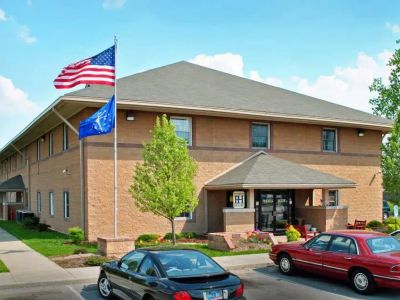

Aspire Indiana Health - Progress House
Indianapolis, Indiana
201 Shelby St., Indianapolis, IN, 46202

MedMark Treatment Centers Bloomington
Bloomington, Indiana
2100 Liberty Dr Suite A, Bloomington, IN 47403



Volunteers of America - Fresh Start Recovery Center at Columbus House
Columbus, Indiana
703 Washington Street, Columbus, Indiana 47201
Southwestern Behavioral Healthcare - Dennis N. Moran Center
Evansville, Indiana
60 South stockwell Road, Evansville, IN, 47714



Volunteers of America - Indianapolis
Indianapolis, Indiana
4181 E. 96th Street, Suite 280, Indianapolis, Indiana 46240




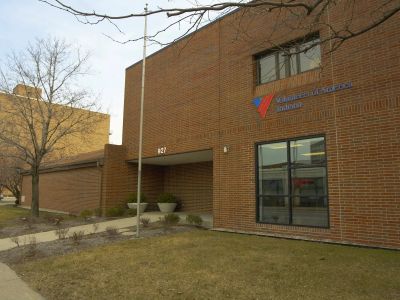
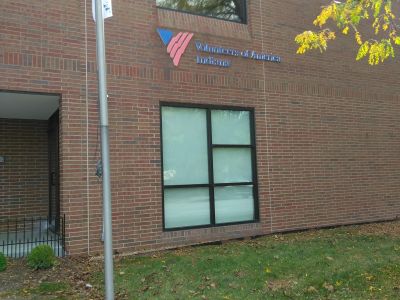
Volunteers of America - Behavioral Health Clinic
Indianapolis, Indiana
927 N. Pennsylvania Street, Indianapolis, Indiana 46204



Southwestern Behavioral Healthcare - Evansville
Evansville, Indiana
415 Mulberry Street, Evansville, IN, 47713
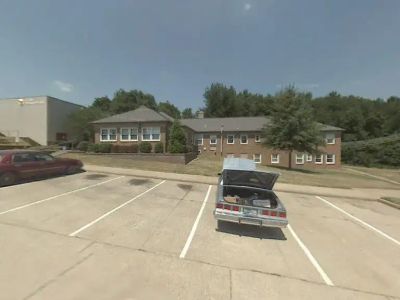
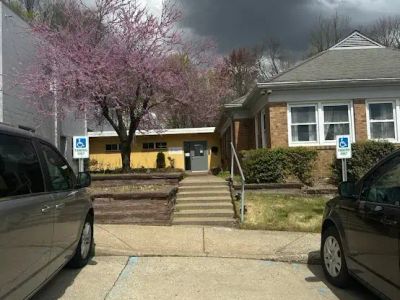
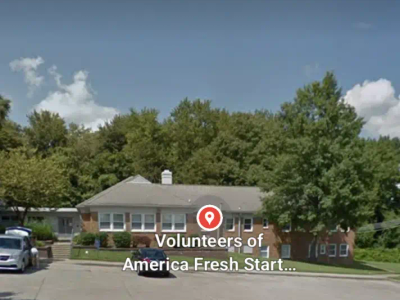
Volunteers of America - Fresh Start Recovery Center at Evansville House
Evansville, Indiana
1351 W. Buena Vista Road, Evansville, Indiana 47710

Community Health Network - Gallahue Mental Health Services
Greenfield, Indiana
145 West Green Meadows Drive, Greenfield, IN 46140
Oxford House - Marjo
Fort Wayne, Indiana
6222 Vance Ave, Fort Wayne, IN 46815
Pinnacle Treatment Centers - 2209 John R Wooden Drive
Martinsville, Indiana
2209 John R Wooden Drive, 3rd Floor Martinsville, IN 46151
Oxford House - Trails
Clarksville, Indiana
1548 Briarwood Dr, Clarksville, IN 47129
Oxford House - Brynlyn
Indianapolis, Indiana
5207 N Meridian St, Indianapolis, IN 46208
Oxford House - Knox
Greendale, Indiana
1145 Ridge Ave, Greendale, IN 47025
Oxford House - Lennon
Columbus, Indiana
1670 South Drive, Columbus, IN 47203
Oxford House - Xandros
Anderson, Indiana
931 W. 8th Street, Anderson, IN 46016
Why Trust Indiana Rehabs
As Hoosiers helping Hoosiers, we understand the unique challenges our communities face. Our team meticulously verifies every Indiana treatment center, ensuring you find trusted, local care that truly understands your journey.
About our listingsLevels of Care
Explore popular treatment options by levels of care, from flexible treatment in Outpatient centers to intensive care in Residential rehabs.
Free · 24/7 · Confidential
Talk to a Treatment Specialist
Call now to get matched with Indiana facilities that accept your insurance.
(888) 568-9930
Free
Ins. check
4.9★
Rating
HIPAA
Protected
Can't travel to a facility?
Licensed Indiana therapists via secure video — same-week appointments, evenings & weekends available.
Imagine standing at the edge of your day, the needs of your child pressed close to your heart while your own burdens feel almost too heavy to hold. Maybe it’s the struggle to find a safe place to sleep, uncertainty about where the next meal will come from, or the quiet ache of facing recovery on your own. In these moments, it can feel like the world expects you to do the impossible, care for both yourself and your little one without a guiding hand. But you’re not alone, and there are caring programs here in Indiana that are built to support mothers and children, making it possible to take the next step together.

Mother and Child Program
A mother and child program isn't just one type of service, it's a broad term for any form of support in Indiana designed to help mothers and their children heal and grow, together. The core purpose of these programs is to prevent families from being separated while a mother addresses challenges like substance use, mental health concerns, or housing instability. In the United States, about one in four children lives with a parent who has a substance use disorder, so keeping families intact during recovery is more important than ever[1]. A mother and child program provides a stable, nurturing environment where both you and your little one can thrive.
These programs recognize that your health and your child's welfare are deeply connected. Support can come in many forms, including:
- Residential treatment for mothers facing addiction
- Transitional housing that offers a safe place to live
- Specialized care for pregnant women and new mothers
- Support services for teen mothers who may be in foster care
Initiatives like Indiana's Pregnancy Promise Program are expanding to offer even more comprehensive care for expectant and new mothers with substance use disorder, showing a strong state-level commitment to family well-being[2].
Building on Personal Strengths to Create Loving Families
These programs are about more than just overcoming challenges; they're about empowering you as a mother. The goal is to build on your personal strengths and help you create a loving, stable home for your family. Instead of focusing only on problems, the approach is centered on building your confidence and self-sufficiency.
You’ll find that many programs offer a mix of supportive services tailored to your unique journey. Common components include parenting classes that provide new tools and strategies, individual counseling to help you heal, and workshops that teach valuable life skills. This combination of care helps you rediscover your capabilities and feel more prepared for the future.
Ensuring a Strong Foundation for Children
While you are getting the support you need, your child is also being cared for in a safe and positive environment. The benefits for children in these programs are immense. A stable home, even a temporary one, can make a world of difference in a child’s health and well-being. Many programs offer on-site childcare and early development support, ensuring your little one gets the attention and stimulation they need for healthy development.
This focus on the child helps break intergenerational cycles of trauma or instability. By providing a strong foundation for both you and your child, these services create an opportunity for a healthier, brighter future for your entire family. State-supported initiatives have shown positive outcomes, with participating mothers having significantly lower rates of re-arrest, which points to greater family stability[3].
Residential Component – Eligibility and Requirements
While some programs are residential, it’s important to know that eligibility requirements apply to all kinds of mother and child programs, including outpatient services and transitional housing. Each program has its own specific criteria, but there are some common factors you can expect when you begin your application. Having the right information ready can make the process feel much smoother.
Here are some of the typical eligibility requirements you might encounter:
- Proof of Pregnancy or Custody: You’ll likely need to show that you are pregnant or are the primary caregiver for at least one child.
- Age of Children: Many programs have age limits for children who can stay with their mother, often for those under the age of six, but this can vary.
- Specific Needs: Some programs are designed for mothers with a diagnosed substance use disorder, those experiencing homelessness, or those with specific mental health needs.
- Indiana Residency: Most state-supported programs require you to be a resident of Indiana.
It’s also possible that certain factors could make someone ineligible, such as a history of violent offenses or needs that are too complex for a particular program to handle. The best way to know for sure if you qualify is to reach out directly. A quick, confidential phone call can help you understand the requirements and see if a program is the right fit for your family. Many of these services are funded through state programs, and you can learn about Medicaid eligibility to see if you qualify for financial assistance[4].
Residential Component Processes
Once you’re enrolled in a mother and child program, it can be helpful to know what to expect. While the specifics will differ, most programs follow a general process designed to give you and your child the best possible support from day one. This journey is about building a new path forward, and it starts with a clear plan.
The first step is usually an intake process. This involves an assessment and a few interviews where caring staff will get to know you, your child, and your unique situation. It’s a judgment-free conversation aimed at understanding your strengths and needs. From there, they will work with you to create a personalized support or treatment plan that sets achievable goals for your time in the program[5].
During your stay, you can expect a structured but supportive routine. A typical program engagement involves a mix of individual and group therapy, case management to connect you with resources like Medicaid or WIC, parenting education classes, and life skills training. The goal is to equip you with the tools you need to feel confident and capable.
Finally, as you approach the end of the program, the focus will shift to your transition plan. Staff will work closely with you to ensure you have stable housing, ongoing support, and community resources in place. The ultimate aim is to prepare you and your child for a successful, independent life long after you’ve completed the program.
Finding Support for Your Family in Indiana
The most important thing to remember is that dedicated support exists right here in Indiana to help you and your children stay together and build a healthier future. You don’t have to navigate this journey alone. These programs were created for mothers just like you, and reaching out is a sign of incredible strength.
Taking that first step can feel overwhelming, but you can start small. Here are a few simple actions you can take to get started:
- Gather Your Documents: If you can, get together any identification, proof of residency, or documents related to your child’s custody.
- Make a Confidential Call: Contact a helpline or a program like VOA Fresh Start Family Focused Recovery to ask questions and get a confidential assessment.
- Ask About Services: When you talk to someone, ask about their specific services for children, what a typical day looks like, and what support is available after you leave.
Remember, every step you take toward getting help is a step toward stability for your family[6]. You have the power to create a better life for yourself and your little one.
Finding the right support for you and your child is a brave first step, and you don’t have to take it alone. There are compassionate people in Indiana ready to help you build a stable, healthy future for your family. If you’re ready to learn more or just need someone to talk to, please call us at (888) 568-9930. At Indiana Rehabs, we’re here to connect you with the resources you need. You can also contact us online for a confidential conversation about your options. Reaching out is the first step toward a brighter tomorrow.
Frequently Asked Questions About Mother and Child Programs in Indiana
What services are typically offered in a mother and child program?
Are these programs only for substance abuse?
Can I bring my older children with me to a residential program?
What is residential treatment?
What happens after I complete a mother and child program?
- National Institutes of Health. (06-03-2025). Millions of U.S. kids live with parents with substance use disorders. National Institutes of Health. nih.gov
- Indiana Family and Social Services Administration. (08-08-2024). Indiana to expand program for expectant, new mothers with substance use disorder. Indiana Family and Social Services Administration. in.gov
- Health Resources and Services Administration (HRSA). (2025). Indiana 2025 State Action Plan for Women/Maternal Health. Health Resources and Services Administration. mchb.tvisdata.hrsa.gov
- Indiana Medicaid. (n.d.). Indiana Medicaid: Members: Eligibility Guide. Indiana Medicaid. in.gov
- Indiana Office of Medicaid Policy and Planning. (n.d.). Statewide Transition Plan for Compliance with Home and Community-Based Services. U.S. Department of Health & Human Services. medicaid.gov
- The Annie E. Casey Foundation. (2025). 2025 KIDS COUNT Data Book. The Annie E. Casey Foundation. aecf.org