Peer-Led / Recovery Community Model Rehab Programs

Showing 20 of 138 Results (filtered)
Featured Rehab Centers

Addiction Rehab Centers - ARC at Fox Hill | Drug & Alcohol Rehab - Mooresville Indiana
Mooresville, Indiana
12168 N Mann Rd, Mooresville, IN 46158
Centerstone - New Castle
New Castle, Indiana
3221 S Memorial Dr, New Castle, IN 47362

Hamilton Center Inc: Mathew Maleakal S MD
Terre Haute, Indiana
620 8th Ave, Terre Haute, IN 47804
Get Personalized Rehab Matches in 60 Seconds
Tell us a few details and we’ll show a personalized shortlist of verified Indiana rehabs, making it simple to compare options and choose your next step with confidence.


Spero Health
Richmond, Indiana
18 SW 5th St, Richmond, IN 47374



Addiction Rehab Centers - ARC | Drug & Alcohol Rehab - Addiction Treatment in Indianapolis, IN
Indianapolis, Indiana
7322 Noel Rd, Indianapolis, IN 46278

CleanSlate Outpatient Addiction Medicine
Noblesville, Indiana
18051 River Rd Suite 101, Noblesville, IN 46062



Recover Together - Aurora
Aurora, Indiana
706 Green Blvd., Aurora, IN, 47001


Restored Life Continuum of Care
Kokomo, Indiana
302 S Reed Rd, Kokomo, IN 46901
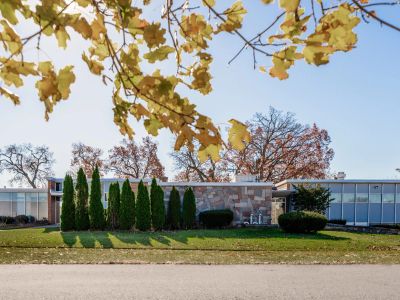

Cardinal Recovery
Franklin, Indiana
1130 West Jefferson St, Franklin, IN, 46131
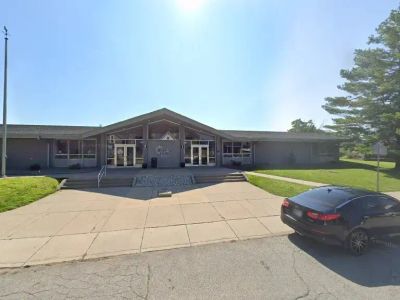
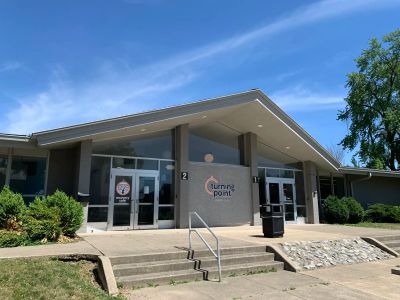
Turning Point SOC
Kokomo, Indiana
1234 N Courtland Ave, Kokomo, IN 46901
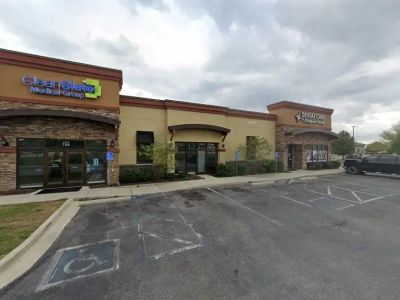
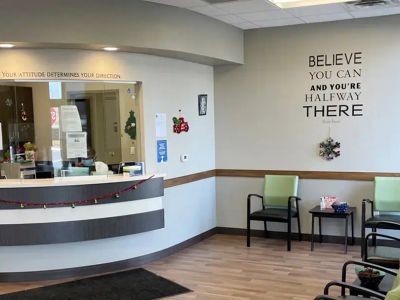
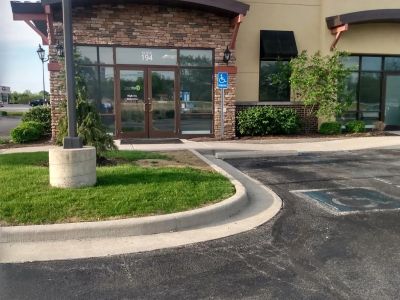
CleanSlate Outpatient Addiction Medicine
Plainfield, Indiana
2455 E Main St Suite #194, Plainfield, IN 46168
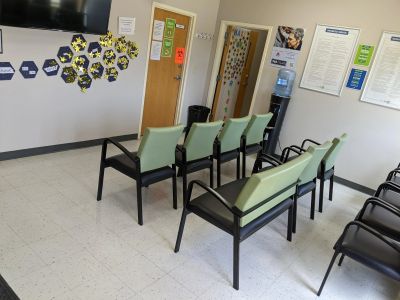
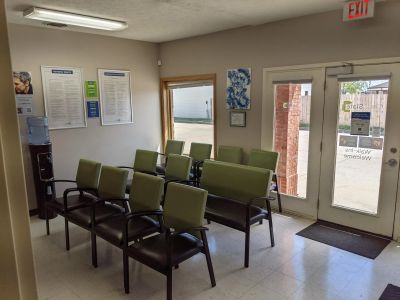

CleanSlate Outpatient Addiction Medicine
Lafayette, Indiana
30 Professional Ct #2A, Lafayette, IN 47905


Recovery Centers of America at Indianapolis
Indianapolis, Indiana
8530 Township Line Rd, Indianapolis, IN 46260
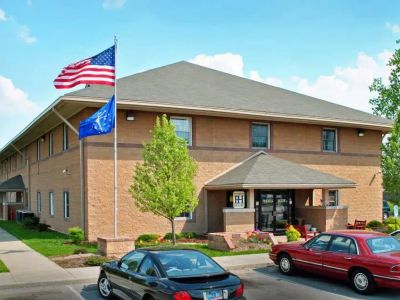

Aspire Indiana Health - Progress House
Indianapolis, Indiana
201 Shelby St., Indianapolis, IN, 46202

Centerstone - Madison
Madison, Indiana
3008 North Bevcher Street, Madison, IN 47250
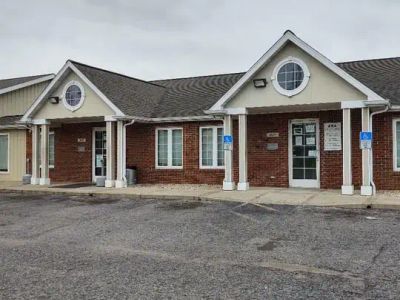
Community Medical Services
Marion, Indiana
317 S Norton Ave, Marion, IN 46952
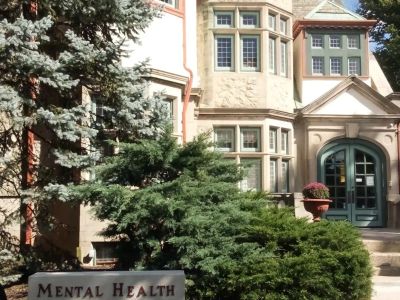

Mental Health America of Indiana
Indianapolis, Indiana
1431 N Delaware St, Indianapolis, IN 46202
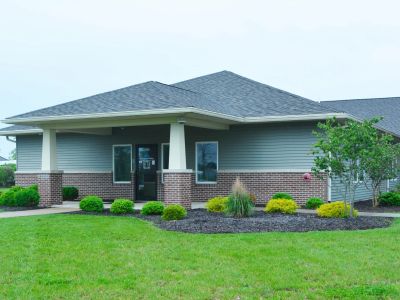

Pinnacle Treatment Centers - Cambridge City
Cambridge City, Indiana
2060 State Road 1 North, Cambridge City, IN, 47327

Centerstone - Mooresville
Mooresville, Indiana
11370 North State Route 67, Mooresville, IN, 46158
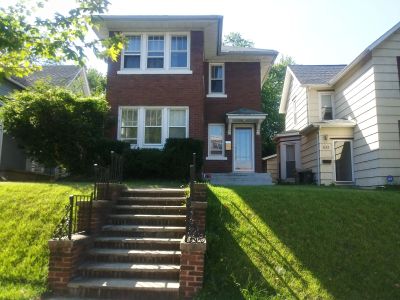


Oxford House - Emyla
South Bend, Indiana
631 North Lafayette Boulevard, South Bend, IN, 46601
Why Trust Indiana Rehabs
As Hoosiers helping Hoosiers, we understand the unique challenges our communities face. Our team meticulously verifies every Indiana treatment center, ensuring you find trusted, local care that truly understands your journey.
About our listingsLevels of Care
Explore popular treatment options by levels of care, from flexible treatment in Outpatient centers to intensive care in Residential rehabs.
Free · 24/7 · Confidential
Talk to a Treatment Specialist
Call now to get matched with Indiana facilities that accept your insurance.
(888) 568-9930
Free
Ins. check
4.9★
Rating
HIPAA
Protected
Can't travel to a facility?
Licensed Indiana therapists via secure video — same-week appointments, evenings & weekends available.
There’s a certain ache that comes with feeling alone in recovery, like you’re reaching out for someone who can’t quite see you. But then, something changes the instant you hear “me too” from someone who’s walked their own path through the darkness. That spark of genuine understanding, a sense that you’re truly seen, can make all the difference. Here in Indiana, peer-led recovery programs bring people together, showing you that hope and connection aren’t just possible, they’re within your reach.

What Is Peer-Based Recovery Support?
Peer-based recovery support is a special kind of help that comes from someone who has been there. It’s non-clinical assistance offered by individuals who have their own lived experience with addiction and recovery[1]. Think of a peer as a guide who has already navigated the path you’re on. They aren’t therapists or doctors; instead, they offer the kind of encouragement, hope, and practical advice that can only come from personal experience.
This approach is built on a foundation of shared understanding. While clinical treatment like therapy and medical care is essential for addressing the physical and psychological aspects of substance use disorders, peer support complements that formal care[2]. It fills the spaces in between, offering a supportive relationship that can reduce feelings of isolation and shame. The entire philosophy is centered on empowerment, showing you that you have the strength to build a new life and that you don’t have to do it alone. These peer support services are designed to meet you where you are, with compassion and without judgment.
Benefits of Peer Support
When you connect with someone who truly gets it, the benefits can be life-changing. Studies on peer support services consistently show positive outcomes for individuals navigating the challenges of long-term recovery. One of the biggest advantages is the simple, powerful feeling of not being alone anymore. Seeing someone else who has successfully rebuilt their life provides concrete proof that recovery is possible, which can inspire incredible hope and motivation.
Peer support also acts as a vital bridge, helping people stay engaged with formal treatment and connecting them to essential community resources[3]. Research shows that this connection improves engagement and helps individuals overcome common barriers to care[4]. Here are some of the key benefits:
- Reduced Isolation and Stigma: Connecting with peers in a safe environment helps dissolve the shame that so often accompanies addiction.
- Increased Hope and Self-Efficacy: Witnessing others’ success stories builds confidence in your own ability to achieve and maintain abstinence.
- Improved Engagement with Treatment: A peer coach or mentor can encourage you to stick with your treatment plan and help you navigate any challenges that arise.
- Practical, Real-World Guidance: Peers can offer tangible advice on everything from finding housing and employment to rebuilding relationships.
- A Stronger Sense of Community: Belonging to a group of supportive individuals creates a network that you can lean on during difficult times.
TYPES OF MUTUAL-HELP ORGANIZATIONS:
The term “peer-led recovery” covers a wide range of programs, and that’s a good thing. It means you have choices. Just as every person’s journey into addiction is unique, so is their path out of it. Finding the right fit is about understanding your own beliefs, needs, and what makes you feel most comfortable. The core principle is to support all pathways to recovery, recognizing that there isn't a one-size-fits-all solution[5]. To help you explore your options, we’ll look at three main types of mutual-help organizations: 12-step, secular, and religious.
TWELVE-STEP MUTUAL-HELP ORGANIZATIONS
When most people think of recovery groups, they often picture 12-step mutual-help organizations like Alcoholics Anonymous (AA) and Narcotics Anonymous (NA). Born from the founding of AA in 1935, this model is the most well-known and widespread. The core of the program involves working through twelve sequential steps, which guide individuals from admitting powerlessness over their addiction to making amends and helping others.
Key concepts include sponsorship, where a more experienced member guides a newcomer through the steps, and the belief in a "Higher Power." It's important to know that this Higher Power can be interpreted in many ways, it doesn't have to be a religious figure. For many, it can be the group itself, the universe, or any concept of a power greater than oneself. Regular attendance at meetings provides a consistent, supportive environment for sharing experiences and learning from others.
SECULAR MUTUAL-HELP ORGANIZATIONS
For those who prefer a non-spiritual approach to recovery, secular mutual-help organizations offer powerful, evidence-based alternatives. The most prominent example is SMART Recovery, which stands for Self-Management and Recovery Training. Instead of focusing on a higher power, SMART Recovery uses tools and techniques from cognitive-behavioral therapy (CBT) and other science-backed methods.
The program is built on a 4-Point Program that helps individuals build and maintain motivation, cope with urges, manage thoughts and feelings, and live a balanced life. The focus is on self-empowerment, teaching practical coping skills to achieve abstinence and improve self-efficacy. Other secular groups, like Secular Organizations for Sobriety (SOS), also provide a non-religious community for those seeking recovery without spiritual components. You can learn more about SMART-based programs and how they empower individuals through self-reliance.
RELIGIOUS MUTUAL-HELP ORGANIZATIONS
Faith can be a powerful anchor for many people in recovery. Religious mutual-help organizations integrate spiritual principles and community support to help individuals heal. A leading example is Celebrate Recovery, a Christ-centered, 12-step program designed to help people with their "hurts, habits, and hang-ups." While it uses a 12-step framework, its principles are rooted in Christian teachings.
These religiously-affiliated groups leverage the strength of a shared faith to foster a deep sense of community and purpose. Meetings often include worship, prayer, and study alongside personal sharing. For individuals whose faith is a central part of their lives, these programs offer a way to align their recovery journey with their spiritual beliefs, creating a holistic path to wellness.
Finding Peer-Led Recovery Programs in Indiana
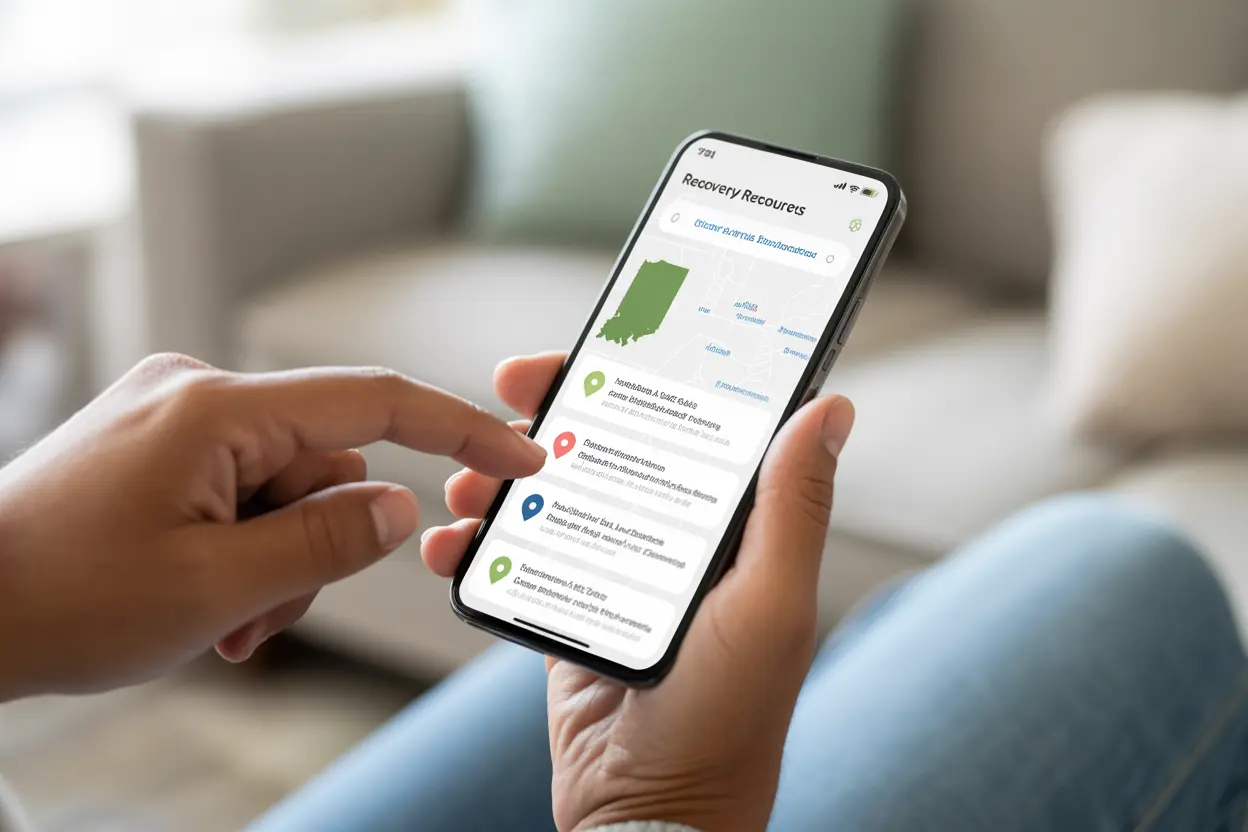
Knowing that these supportive communities exist is the first step; finding the right one is the next. Here in Indiana, you have many options, and taking the time to find a good fit can make all the difference. Start by thinking about what you need. Consider practical factors like the location of the Recovery Support Center, meeting times, and whether you prefer in-person or virtual meetings. You can find a lot of this info online through resources like the Indiana Recovery Network, which connects people to local recovery organizations.
Don’t be afraid to try a few different groups. Each meeting has its own personality, and the dynamic can vary widely. Attend a few different meetings to see where you feel most comfortable and understood. The goal is to find a Recovery Center or group where you feel safe enough to be vulnerable and supported enough to grow. When you’re ready to take that step, our directory can help you explore peer-led recovery programs across Indiana and find the community that’s waiting for you.
Your Path Forward with Peer Support
The journey of recovery can feel long and challenging, but you never have to walk it alone. The core message is simple: connection heals. Shared understanding is one of the most powerful tools you can have, and in Indiana, a welcoming community is within your reach. Whether you find strength in a 12-step group, empowerment in a secular program, or hope in a faith-based community, there is a path forward for you.
Embracing peer support means choosing hope and community over isolation. It’s about finding people who see your potential and will stand by you as you build a healthier, more fulfilling life. Your wellness journey is unique, and the right support system can help you navigate it with confidence and courage. The next step is yours to take, and a community is ready to welcome you.
You’ve already taken a huge step just by seeking out this information. If you're ready to find a community that understands, we're here to help. At Indiana Rehabs, we can connect you with the resources you need. For immediate support or to learn more about your options, don't hesitate to call us at (888) 568-9930 or reach out to us through our contact page. You are not alone, and help is available today.
Frequently Asked Questions About Peer-Led Recovery in Indiana
How is peer support different from therapy?
Do I have to be religious to join a peer support group?
What is a 12-step program?
Is peer support free?
What should I expect at my first meeting?
- (11-05-2024). Peer support workers for those in recovery. Substance Abuse and Mental Health Services Administration. samhsa.gov
- (September, 2023). Integrating peer recovery support services into treatment and recovery continuums of care. National Association of State Alcohol and Drug Abuse Directors. nasadad.org
- Phillips, J., & Ray, B. (10-20-2017). The use of peer recovery coaches to combat barriers to opioid use disorder treatment in Indiana. Richard M. Fairbanks School of Public Health. fsph.iupui.edu
- Ray, B., O’Donnell, D., & Gilbert, L. (2021). Implementation of peer recovery coach services for opioid overdose survivors in the emergency department. Implementation Science Communications. pmc.ncbi.nlm.nih.gov
- (03-09-2021). Recovery supports, peers, and Indiana recovery hubs. The National Council for Mental Wellbeing. thenationalcouncil.org