Rehabs Offering Methadone Maintenance

Showing 20 of 27 Results (filtered)
Featured Rehab Centers
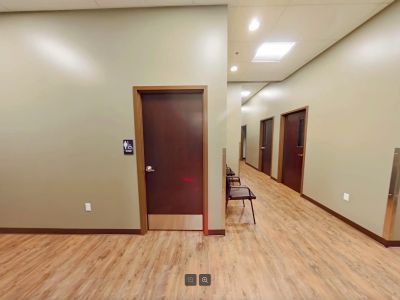


Comprehensive Treatment Centers - Evansville
Evansville, Indiana
1510 West Franklin Street, Evansville, IN 47710

Hamilton Center Inc: Mathew Maleakal S MD
Terre Haute, Indiana
620 8th Ave, Terre Haute, IN 47804
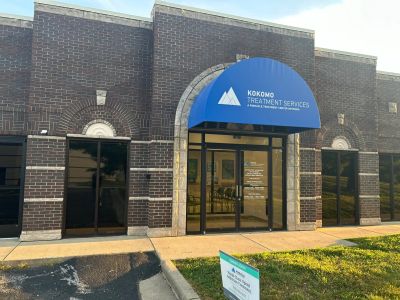
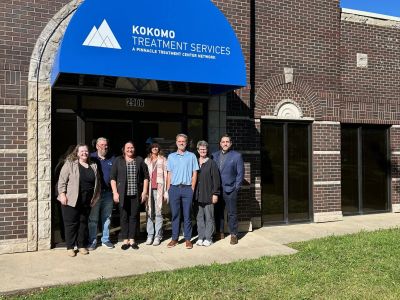
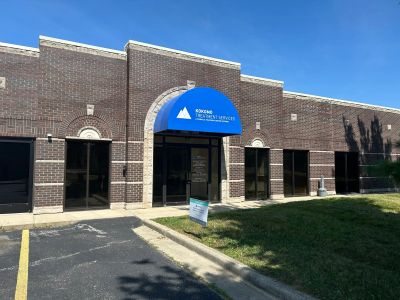
Pinnacle Treatment Centers - Kokomo
Kokomo, Indiana
2906 S. Reed Rd. Kokomo, IN 46902
Get Personalized Rehab Matches in 60 Seconds
Tell us a few details and we’ll show a personalized shortlist of verified Indiana rehabs, making it simple to compare options and choose your next step with confidence.
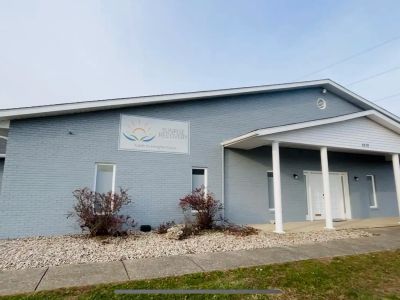
Sunrise Recovery - Drug and Alcohol Women's Rehab in Clarksville
Clarksville, Indiana
1610 Blackiston View Dr, Clarksville, IN 47129

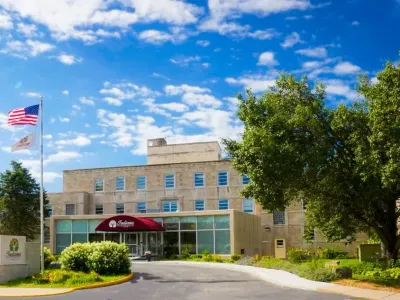
Indiana Center for Recovery - Alcohol & Drug Rehab Center Bedford
Bedford, Indiana
1600 23rd St, Bedford, IN 47421

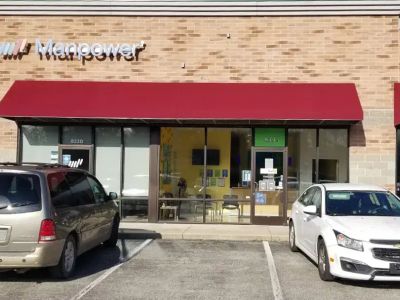
CleanSlate Outpatient Addiction Medicine
Greencastle, Indiana
833 Indianapolis Rd Suite E, Greencastle, IN 46135
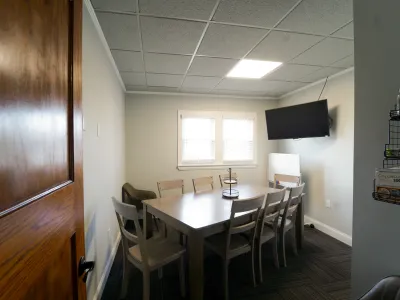
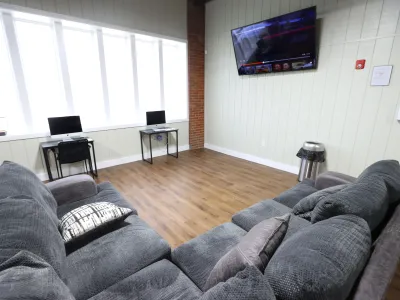
First City Recovery Center
Kokomo, Indiana
317 W Jefferson St, Kokomo, IN, 46901



Addiction Rehab Centers - ARC
Indianapolis, Indiana
7322 Noel Road, Indianapolis, IN, 46278
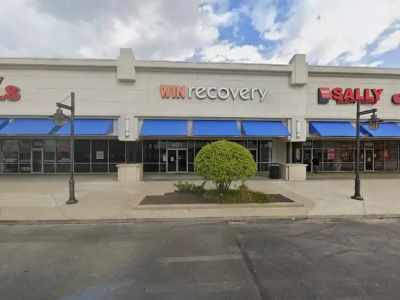

WIN Recovery
Plainfield, Indiana
401 Plainfield Commons Dr, Plainfield, IN 46168
Community Medical Services
Marion, Indiana
317 S Norton Ave, Marion, IN 46952

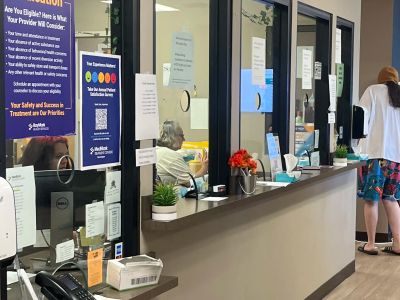
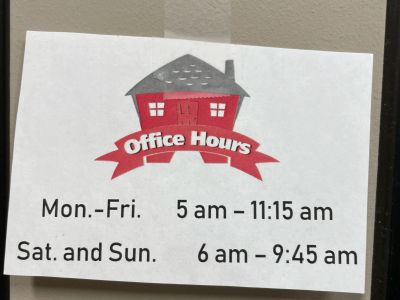
MedMark Treatment Centers Bloomington
Bloomington, Indiana
2100 Liberty Dr Suite A, Bloomington, IN 47403
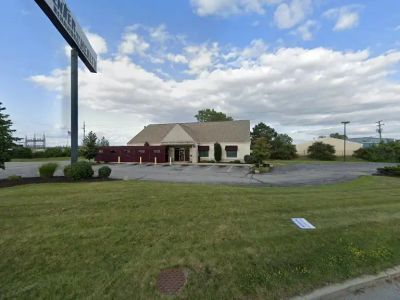
Center for Behavioral Health
Fort Wayne, Indiana
3910 Lima Rd, Fort Wayne, IN 46805




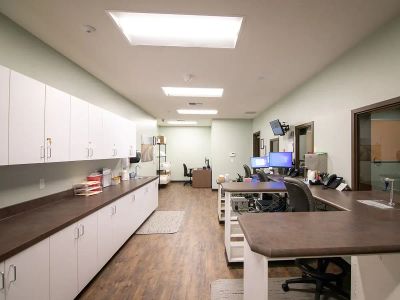

Comprehensive Treatment Centers - Richmond
Richmond, Indiana
4265 South A street, Richmond, IN, 47374

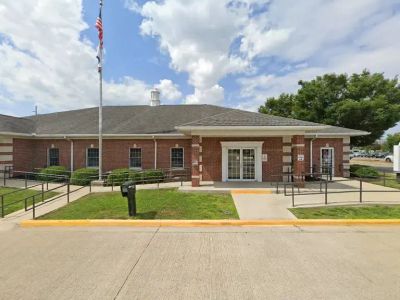
WIN Recovery
Terre Haute, Indiana
88 Wabash Ct, Terre Haute, IN 47807


Comprehensive Treatment Centers - East Indiana
Lawrenceburg, Indiana
816 Rudolph Way Lawrenceburg, IN 47025


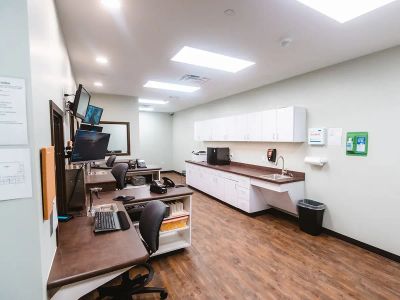
Comprehensive Treatment Centers - Indianapolis
Indianapolis, Indiana
2626 East 46th street, Indianapolis, IN, 46205

Victory Clinical Services - South Bend
South Bend, Indiana
4218 Western Ave, South Bend, IN 46619



Madison State Hospital
Madison, Indiana
711 Green Road, Madison, IN, 47250

Hamilton Center - Greencastle
Greencastle, Indiana
239 Hillsdale Avenue, Greencastle, IN 46135
Why Trust Indiana Rehabs
As Hoosiers helping Hoosiers, we understand the unique challenges our communities face. Our team meticulously verifies every Indiana treatment center, ensuring you find trusted, local care that truly understands your journey.
About our listingsLevels of Care
Explore popular treatment options by levels of care, from flexible treatment in Outpatient centers to intensive care in Residential rehabs.
Free · 24/7 · Confidential
Talk to a Treatment Specialist
Call now to get matched with Indiana facilities that accept your insurance.
(888) 568-9930
Free
Ins. check
4.9★
Rating
HIPAA
Protected
Can't travel to a facility?
Licensed Indiana therapists via secure video — same-week appointments, evenings & weekends available.
Are you tired of the daily struggle and ready to find a path forward that actually feels possible? Living with opioid use disorder can leave you feeling trapped in patterns you never chose, but there are options that bring real relief. methadone maintenance isn’t just another treatment; it’s a steady, researched approach to finding balance and reclaiming control. Here in Indiana, taking that next step and finding the right support can be simpler, and more hopeful, than you might expect.

INTRODUCTION
When you're dealing with opioid dependence, it can feel like your life is no longer your own. That’s where methadone maintenance treatment (MMT) comes in. It's a structured, evidence-based program designed to help people who are struggling with opioid use disorder. Methadone itself is a long-acting opioid agonist medication. This means it works on the same parts of the brain as other opioids, like heroin or prescription painkillers, but in a much more controlled and stable way.
MMT isn’t just about medication. It’s a comprehensive approach that combines the physical relief of methadone with the emotional and mental support of counseling and other services. The goal is to reduce and eliminate the use of illicit opioids, lessen the risk of overdose, and help you build a foundation for long-term recovery[1]. Research has shown that MMT is highly effective. For instance, patients on stable methadone doses are significantly less likely to use other opioids. Despite its success, a major treatment gap remains. It's estimated that fewer than 20% of people with opioid use disorder receive any of the FDA-approved medications that could help them. This highlights just how important it is to make treatments like MMT more accessible to those who need them here in Indiana.
Effects of methadone
So, how does methadone actually work? It’s all about what happens in your brain. When you use opioids, they attach to specific sites in your brain called opioid receptors, creating feelings of euphoria. When you stop, your body experiences intense cravings and painful withdrawal symptoms. Methadone works by binding to these same opioid receptors, but it does so more slowly and without producing the same high[1]. This action helps in two key ways.
First, it prevents the severe withdrawal symptoms that make it so hard to stop using opioids. Second, it reduces the persistent cravings that can lead to relapse. When taken at a stable, therapeutic dose, methadone creates what is known as a "blockade effect." This means it occupies the opioid receptors so that if you were to use another opioid like heroin or fentanyl, it wouldn't be able to produce the euphoric effects. The ultimate goal isn't to get you high; it's to help you feel normal and stable. A proper methadone dose allows you to function, go to work, care for your family, and fully engage in your recovery journey. While it's a powerful tool, it's also a medication with potential side effects. It’s important to be aware of them and talk to your doctor if you experience any.
Common side effects can include:
- Constipation
- Drowsiness or feeling sleepy, especially when first starting
- Excessive sweating
- Nausea or vomiting
- Lightheadedness
- Dry mouth
Risks and precautions
Like any medication, methadone comes with risks that you need to be aware of to ensure your safety. The most serious risk is overdose. This is particularly true during the initial phase of treatment when your body is still adjusting to the medication. An overdose can happen if the dose is too high or if it's mixed with other substances that slow down the central nervous system, such as alcohol, benzodiazepines (like Xanax or Valium), or even other opioids. It is absolutely critical to be honest with your provider about any and all substances you use.
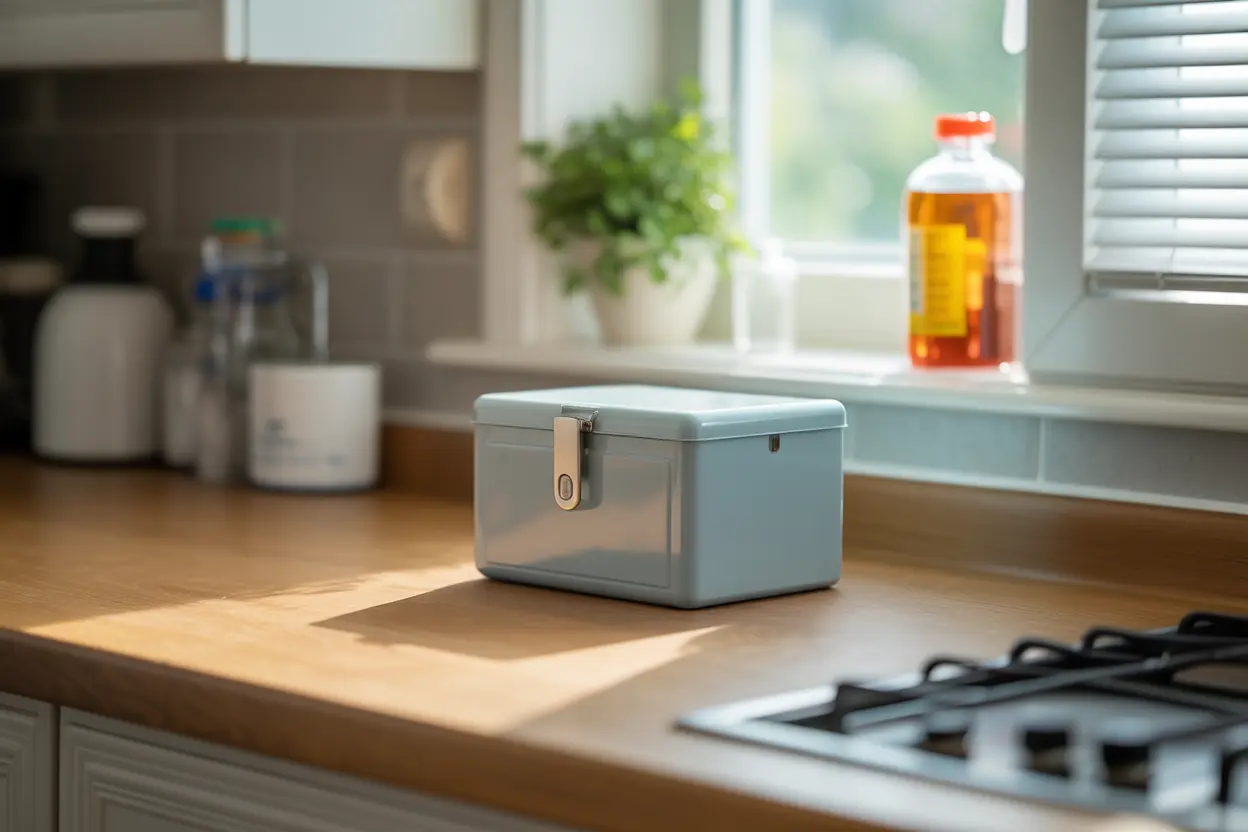
Adhering strictly to your prescribed dose is essential. Never take more methadone than you are prescribed, and don't share your medication with anyone. As you progress in treatment, you may earn take-home doses, which brings another layer of responsibility. These doses must be stored safely and securely, out of reach of children, pets, or anyone else in your household. Accidental ingestion can be fatal, so using a locked box is a crucial precaution to protect your loved ones.
Interactions between methadone and other medications
Methadone can interact with many other medications, which can lead to dangerous side effects or make your treatment less effective. Some interactions can increase the sedative effects of methadone, raising the risk of an overdose, while others can speed up how your body processes methadone, potentially causing withdrawal symptoms. It's vital to give your methadone provider and pharmacist a complete list of everything you take, including prescriptions, over-the-counter drugs, supplements, and any illicit substances.
Here are some common drug classes known to have significant interactions with methadone:
- Benzodiazepines: This class of drugs (often prescribed for anxiety) is especially dangerous when combined with methadone, significantly increasing the risk of fatal overdose[1].
- Certain Antibiotics: Some antibiotics can affect how your body metabolizes methadone.
- Some Antidepressants: Specific types of antidepressants can interact with methadone, so your doctor needs to know which ones you are taking.
- Antiretrovirals for HIV: Medications used to treat HIV can alter methadone levels in your body.
- Alcohol: Mixing alcohol with methadone increases sedation and the risk of overdose.
ENTERING TREATMENT
Taking the first step to start MMT can feel overwhelming, but knowing what to expect can make the process much smoother. It usually begins with a phone call to a methadone clinic. During this call, you can ask initial questions and schedule your first appointment for an assessment. This first visit is all about gathering information to make sure MMT is the right and safe choice for you. You’ll meet with a counselor and medical staff who will conduct a thorough evaluation.
This assessment typically includes a detailed review of your medical history, a discussion about your history of substance use to confirm opioid dependence, a physical exam, and a urine drug screen. This isn't about judgment; it's about getting a clear picture of your health to create a treatment plan that meets your specific needs. The team will explain the program's rules, expectations, and what you can expect from them in return. This is your opportunity to ask any questions you have about the treatment, the clinic, and the path ahead. The goal is to ensure you feel informed and comfortable before you commit.

Selection criteria
To be admitted into an MMT program, there are specific eligibility criteria set by federal regulations, which clinics in Indiana must follow[2]. These are in place to ensure that the treatment is appropriate for the individual. The main requirements usually include:
- A confirmed diagnosis of opioid use disorder.
- A history of opioid dependence for at least one year. There are some exceptions to this one-year rule, particularly for pregnant patients, individuals recently released from prison, or those who have previously been in MMT.
While these are the federal guidelines, it’s good to know that individual clinics may have their own specific protocols or admission processes. The best way to know for sure is to call the clinic you're considering and ask about their specific requirements. An initial assessment can help determine your eligibility.
Informed consent and treatment planning
Before you receive your first dose of methadone, you must provide informed consent. This is a crucial step that ensures you are an active participant in your own care. It means you've had a detailed conversation with the clinical staff and fully understand the benefits, the risks, the rules of the program, and any alternative treatment options available to you. You’ll likely sign paperwork confirming that you understand and agree to move forward with the treatment.
After consent is given, you’ll work with your counselor and the medical team to create a personalized treatment plan. This isn't a one-size-fits-all document; it’s a roadmap tailored to your unique situation and recovery goals. Your plan will outline key details like your starting medication dosage, your counseling schedule, and any other support services you might need. It’s a collaborative process where your input is valued, ensuring the plan reflects what you want to achieve in your recovery.
MANAGEMENT OF DOSING
The process of managing methadone doses is careful and methodical, broken down into distinct phases to ensure your safety and success in treatment. It all starts with the induction phase. During this initial period, you’ll begin with a low dose of methadone. The medical staff will monitor you closely and gradually increase the dose over several days or weeks. The goal is to find the right amount to relieve your withdrawal symptoms without causing oversedation.
Once you are past the initial stage, you'll move into the stabilization phase. This is where your clinical team works with you to find your optimal dose, the amount of methadone that keeps withdrawal symptoms and cravings at bay for a full 24 hours. This dose is different for everyone. Once you’re on a stable dose, you enter the maintenance phase. Here, you'll continue on your steady dose, which allows you to focus on counseling and rebuilding other areas of your life.
In the beginning, treatment requires a significant commitment. Most patients must visit the clinic every day to receive their methadone dose. This daily routine can feel restrictive, and some have described it as "liquid handcuffs." However, this structure is in place for safety and to provide consistent support during the most vulnerable stage of recovery. Over time, as you demonstrate stability, you can earn the privilege of take-home doses. This is based on factors like consistent attendance, negative urine drug screens, and the amount of time you've been in treatment[1]. During the COVID-19 pandemic, federal rules around take-homes were relaxed to ensure continuity of care, and many of these flexibilities have continued, though policies can vary by state and clinic[3].
Buprenorphine maintenance versus placebo or methadone maintenance for opioid dependence
Methadone is just one of several FDA-approved medications used to treat opioid use disorder[2]. The other two main options are buprenorphine (often known by the brand name Suboxone) and naltrexone (often known as Vivitrol). Each medication works differently and is suited to different needs and circumstances. Understanding the differences can help you have a more informed conversation with a provider about what might be the best fit for you.
Research has shown that while both methadone and buprenorphine are effective, methadone may be more successful at keeping people in treatment long-term. For example, one study found that flexible-dose buprenorphine was less effective than methadone at retaining participants in treatment. This doesn't mean buprenorphine isn't a great option, it is for many, but it highlights that one isn't universally "better" than the other. The right choice depends on your individual history with opioid dependence, your support system, and what is practically accessible to you.
| Feature | Methadone | buprenorphine (e.g., Suboxone) | naltrexone (e.g., Vivitrol) |
|---|---|---|---|
| How It Works | How It Works: Full Opioid Agonist | How It Works: Partial Opioid Agonist | How It Works: Opioid Antagonist |
| What This Means | What This Means: Activates opioid receptors to prevent withdrawal and cravings. | What This Means: Activates opioid receptors but with a "ceiling effect," lowering overdose risk. | What This Means: Blocks opioid receptors, preventing any opioid from having an effect. |
| Administration | Administration: Daily liquid or tablet. | Administration: Daily film or tablet that dissolves under the tongue. | Administration: Monthly injection. |
| Dispensing Location | Dispensing Location: Only at federally regulated Opioid Treatment Program (OTP) clinics. | Dispensing Location: Prescribed by certified doctors and picked up at a pharmacy. | Dispensing Location: Administered by a healthcare provider in a clinical setting. |
| Key Considerations | Key Considerations: Often preferred for individuals with a high level of physical dependence. Daily clinic visits are required initially. | Key Considerations: Offers more flexibility than methadone. Must be in a state of withdrawal before the first dose to avoid precipitated withdrawal. | Key Considerations: Requires full detoxification from all opioids before starting. There is no potential for misuse. |
Required resources in Indiana
Finding the right methadone maintenance program in Indiana is a critical step in your recovery journey. Knowing what to look for and what questions to ask can empower you to choose a clinic that best fits your needs. As you start your search, it helps to be prepared. Think about not just the location, but also the quality of care and the environment of the program.

When you're evaluating different clinics, here are some important factors to consider and questions to ask:
- Accreditation: Is the clinic accredited by SAMHSA and the state of Indiana[4]? This ensures they meet federal standards for care.
- Counseling Services: What kind of counseling and therapy do they offer? Do they provide individual, group, or family therapy?
- Staff Professionalism: How do the staff treat patients? Do they seem respectful, compassionate, and knowledgeable?
- Take-Home Policies: What are the clinic’s specific rules for earning take-home doses of methadone?
- Payment Options: How can you pay for treatment? It's especially important to ask if they accept Indiana Medicaid, as this is a common way to cover costs[5]. You can also explore options on paying for rehab.
It’s also important to be aware of potential challenges. In some of Indiana’s more rural areas, there may be fewer clinics, which can create transportation issues. Don't be discouraged by this. Planning ahead for travel or exploring telehealth counseling options can help. The directory of SAMHSA's National Treatment Facility Locator is a great starting point for seeing what programs are available near you.
Taking the Next Step Toward Recovery
Making the decision to seek help for opioid use disorder is one of the most courageous things you can do. methadone maintenance is more than just a medication; it's a life-saving, evidence-based medical treatment that can provide the stability you need to reclaim your life and build a future you believe in[6]. Remember, asking for help isn’t a sign of weakness, it's a profound act of strength. Having the right support system around you is crucial, and it all starts with taking that first step, no matter how small it feels.
You don't have to figure this all out on your own. There are people and programs right here in Indiana ready to help. Today, you can take one small, manageable step forward. You could start by browsing the list of clinics on this page to see what's available near you. You could also call our confidential helpline at (888) 568-9930 to speak with someone who understands and can guide you through your options. Or, you could simply share this information with a loved one you trust. Whatever you choose, know that recovery is possible. We at Indiana Rehabs are here to help you find your way. Please contact us to learn more.
Frequently Asked Questions About Methadone Maintenance in Indiana
How long does methadone maintenance treatment last?
Can you work while on methadone?
Is methadone just replacing one drug with another?
What happens if I miss a dose of methadone?
How much does methadone treatment cost in Indiana?
- Substance Abuse and Mental Health Services Administration. (11-06-2024). Methadone Take-Home Flexibilities Extension Guidance. Substance Abuse and Mental Health Services Administration. samhsa.gov
- Substance Abuse and Mental Health Services Administration. (02-05-2025). Substance Use Disorders - Statutes, Regulations, and Guidelines. Substance Abuse and Mental Health Services Administration. samhsa.gov
- The Pew Charitable Trusts. (09-19-2022). Overview of Opioid Treatment Program Regulations by State. The Pew Charitable Trusts. pewtrusts.org
- Indiana Family and Social Services Administration. (07-14-2020). DMHA: Opioid Treatment Program. Indiana Family and Social Services Administration. in.gov
- Indiana Health Coverage Programs. (06-01-2023). IHCP bulletin BT202357. Indiana Health Coverage Programs. in.gov
- Clark, R. E., et al. (October, 2010). methadone maintenance and the Cost and Utilization of Health Care Among Opioid-Dependent Patients. American Journal of Public Health. pmc.ncbi.nlm.nih.gov