12-Step Informed Rehab Programs

Showing 20 of 89 Results (filtered)
Featured Rehab Centers
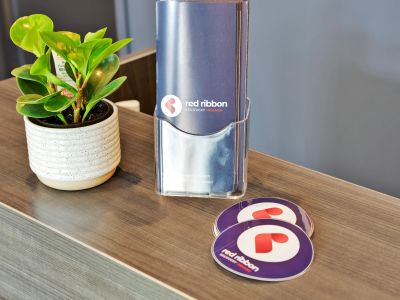

1411 W County Line Rd, Suite 1411A, Greenwood, IN 46142
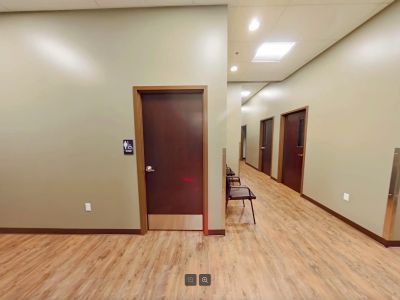
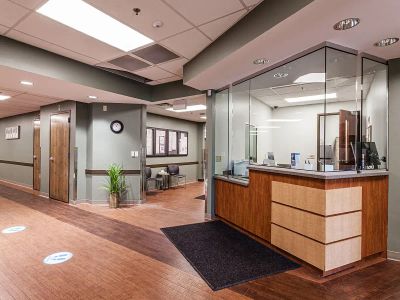
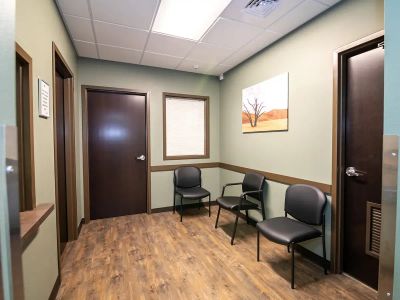
Comprehensive Treatment Centers - Evansville
Evansville, Indiana
1510 West Franklin Street, Evansville, IN 47710
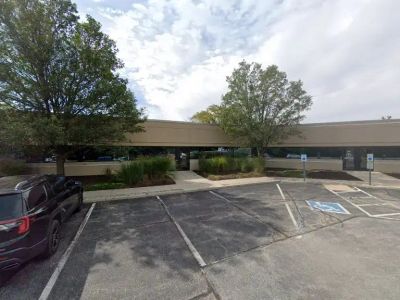

Addiction Rehab Centers - ARC At Bayside | Indianapolis Drug & Alcohol Rehab
Indianapolis, Indiana
5929 Lakeside Blvd, Indianapolis, IN 46278
Get Personalized Rehab Matches in 60 Seconds
Tell us a few details and we’ll show a personalized shortlist of verified Indiana rehabs, making it simple to compare options and choose your next step with confidence.

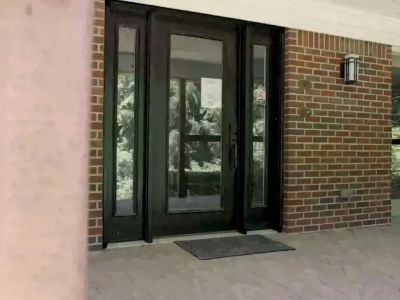
Addiction Rehab Centers - ARC at Fox Hill | Drug & Alcohol Rehab - Mooresville Indiana
Mooresville, Indiana
12168 N Mann Rd, Mooresville, IN 46158
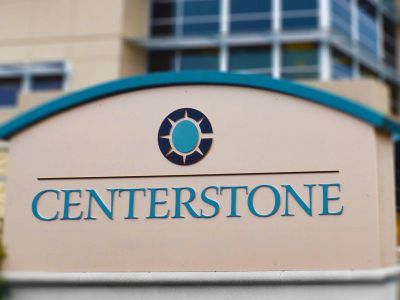
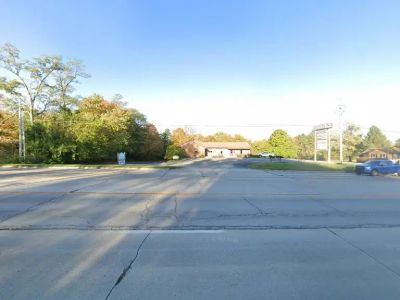
Centerstone - New Castle
New Castle, Indiana
3221 S Memorial Dr, New Castle, IN 47362
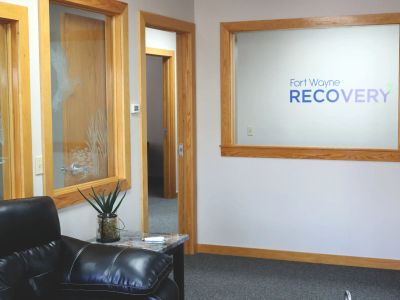
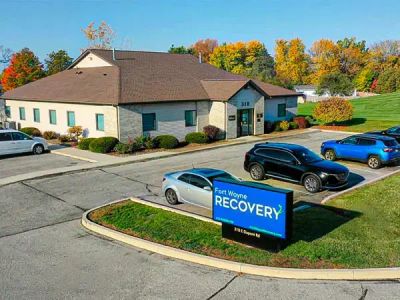
Fort Wayne Recovery
Fort Wayne, Indiana
310 E Dupont Rd, Fort Wayne, IN 46825


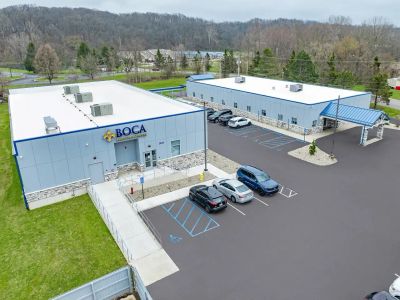
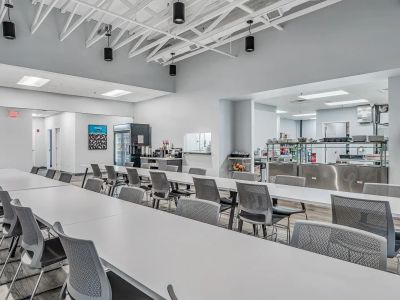
Boca Recovery Center - Fort Wayne, Indiana
Fort Wayne, Indiana
111 W Berry St #211, Fort Wayne, IN 46802
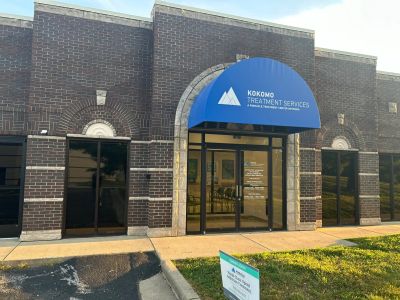
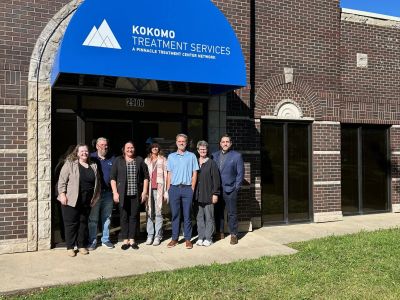
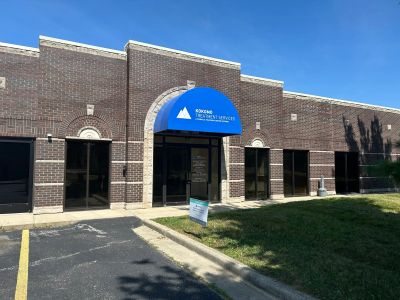
Pinnacle Treatment Centers - Kokomo
Kokomo, Indiana
2906 S. Reed Rd. Kokomo, IN 46902
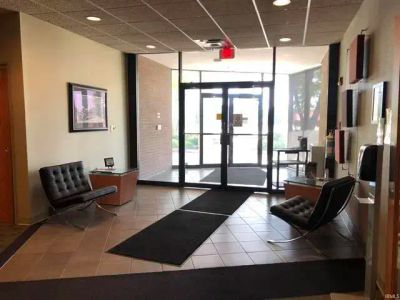

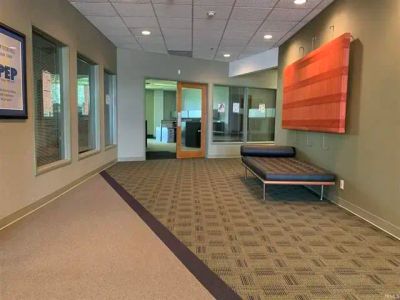
Restored Life Continuum of Care
Kokomo, Indiana
302 S Reed Rd, Kokomo, IN 46901
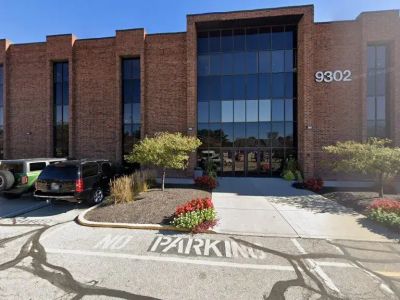

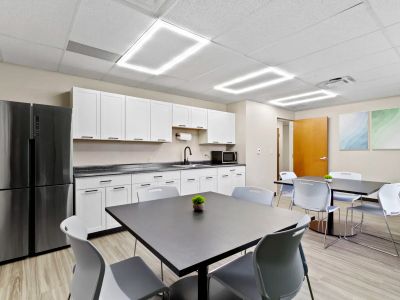
Spark Recovery - Outpatient Drug Addiction Treatment Indianapolis
Indianapolis, Indiana
9302 N Meridian St Ste 101, Indianapolis, IN 46260
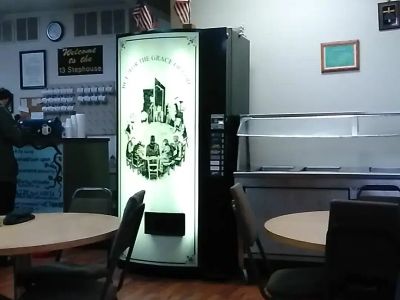
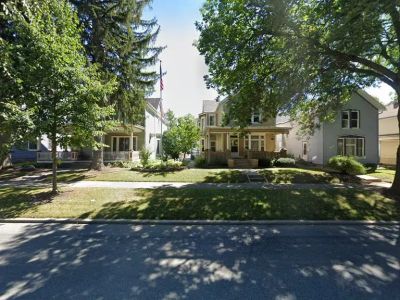
The Thirteen Step House
Fort Wayne, Indiana
1317 W Washington Blvd, Fort Wayne, IN, 46802
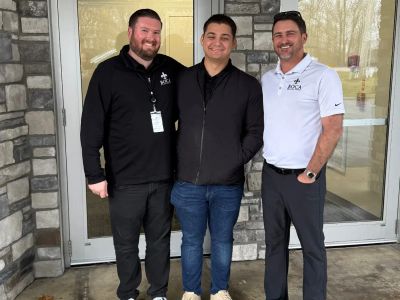
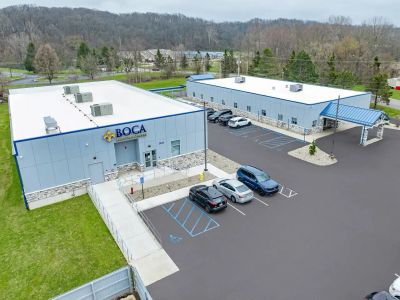
Boca Recovery Center - Indiana Drug and Alcohol Rehab
Huntington, Indiana
3040 W Park Dr, Huntington, IN 46750



Elevate Recovery
Kokomo, Indiana
209 N Webster St, Kokomo, IN 46901
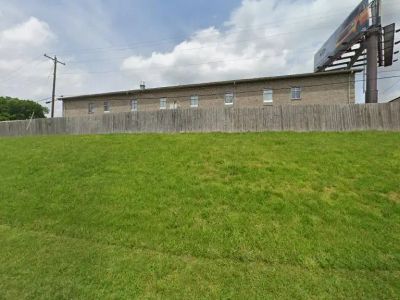

Serenity House Inc
Clarksville, Indiana
200 Homestead Ave, Clarksville, IN 47129



Avenues Recovery Center at Indianapolis
Indianapolis, Indiana
7960 Shadeland Ave, Indianapolis, IN 46250


House of Hope of Madison County
Anderson, Indiana
902 High street, Anderson, IN, 46012

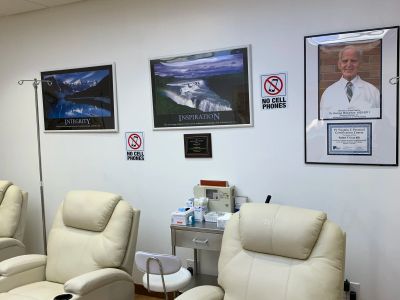
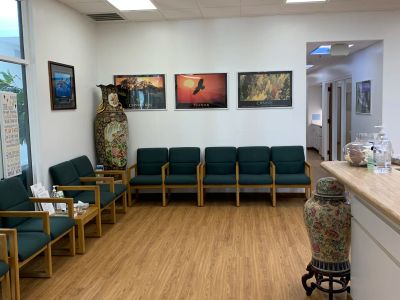
Kentuckiana Integrative Medicine
Jeffersonville, Indiana
405 E Court Ave #102, Jeffersonville, IN 47130
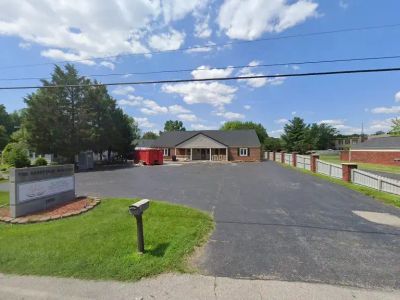
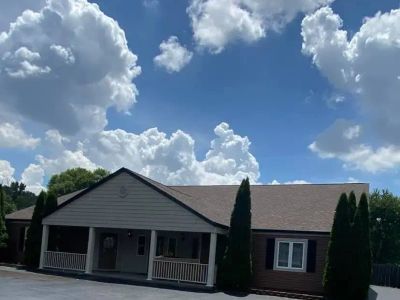
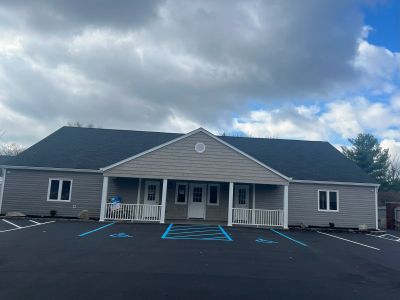
Sunrise Recovery - Drug and Alcohol Outpatient Rehab in Jeffersonville
Jeffersonville, Indiana
1505 Allison Ln, Jeffersonville, IN 47130


215 North Rogers Street, Bloomington, IN 47404
Why Trust Indiana Rehabs
As Hoosiers helping Hoosiers, we understand the unique challenges our communities face. Our team meticulously verifies every Indiana treatment center, ensuring you find trusted, local care that truly understands your journey.
About our listingsLevels of Care
Explore popular treatment options by levels of care, from flexible treatment in Outpatient centers to intensive care in Residential rehabs.
Free · 24/7 · Confidential
Talk to a Treatment Specialist
Call now to get matched with Indiana facilities that accept your insurance.
(888) 568-9930
Free
Ins. check
4.9★
Rating
HIPAA
Protected
Can't travel to a facility?
Licensed Indiana therapists via secure video — same-week appointments, evenings & weekends available.
You’ve likely heard of the 12 Steps, but what does it really mean when a rehab center describes itself as “12-step informed”? Is it just another way of saying it’s like an AA meeting, or is there something more? It’s natural to feel lost in the terminology when you’re hoping to find the right way forward. The truth is, a 12-step informed program blends the wisdom of long-standing recovery traditions with modern, evidence-based therapies, giving you room to find a path that fits your beliefs and your life.

What is 12-step therapy?
When you’re looking into addiction treatment, the term “12-step therapy” can be confusing. It’s not the same as walking into a church basement for an Alcoholics Anonymous meeting. Instead, a 12-step informed rehab uses the core principles of the 12-Step philosophy as a helpful framework within a professional, clinical setting. Think of it as the best of both worlds: the time-tested wisdom of peer support blended with modern, evidence-based treatment.
Unlike traditional 12-Step groups like AA or Narcotics Anonymous (NA), which are led by peers, a 12-step informed program is guided by licensed clinicians. These professionals integrate the steps with proven therapeutic methods. For example, you might explore the idea of making amends (Step 9) while working with a therapist on communication skills using cognitive behavioral therapy (CBT). This approach allows your treatment plan to be deeply personalized. It respects your individual beliefs and experiences while providing a clear, structured path toward recovery.
The goal is flexibility. It acknowledges that recovery isn’t one-size-fits-all. By combining the communal knowledge of 12-Step traditions with the scientific backing of psychological care, this model offers a comprehensive and adaptable foundation for healing.
Breaking Down the 12-Steps
The 12 Steps, originally created by Alcoholics Anonymous (AA), can feel intimidating at first. But at their core, they offer a practical guide for self-reflection, accountability, and building a new life in sobriety. In a 12-step informed rehab, these steps are presented as tools for personal growth, not rigid rules. Here’s a simple breakdown of their core themes:
- Steps 1-3: Acknowledging the Challenge and Finding Hope. This is about honesty. It starts with admitting that your life has become unmanageable due to substance use and accepting that you need support. This is also where the concept of a "Higher Power" comes in. It’s important to know that this doesn't have to be a religious figure. For many, a Higher Power can be the recovery group itself, nature, the universe, or your own inner strength. It’s about finding something bigger than yourself to lean on for hope and guidance.
- Steps 4-7: Taking Personal Inventory and Healing. These steps guide you through a courageous process of self-examination. You’ll look at past behaviors and resentments, not to dwell on them, but to understand them. With the support of a sponsor or therapist, you share this inventory, admit your wrongs, and become ready to let them go. This phase is about cleaning house emotionally and mentally to make room for healing.
- Steps 8-9: Making Amends. Here, the focus shifts to repairing relationships. You’ll make a list of people you’ve harmed and become willing to make amends to them, where it is safe and appropriate to do so. This isn’t just about saying "I'm sorry." It's about taking responsibility and acting in a way that rebuilds trust with others and with yourself.
- Steps 10-12: Maintaining Growth and Helping Others. The final steps are about maintaining your progress for the long haul. You’ll continue to practice self-reflection, stay connected to your source of strength or spirituality, and eventually, carry the message of recovery to others who are struggling. This final step reinforces your own sobriety by allowing you to give back the support you received.
Is the 12-step programme effective?
This is a question many people ask, and the answer isn't a simple yes or no. You might have heard critics cite a low success rate, sometimes as low as 5–10 percent, for programs like AA. However, that figure doesn't tell the whole story. The effectiveness of any 12-step approach, whether in a community group or a rehab facility, is deeply personal and depends heavily on how much a person engages with the process.
Research has shown that for those who actively participate, attending meetings, working the steps with a sponsor, and building a support network, the outcomes can be very positive. The key is consistent involvement. For individuals who remain sober for five years or more, studies indicate that the relapse rate drops significantly, often to under 15%. This suggests that when the principles are applied over the long term, they provide a strong foundation for lasting recovery.
Ultimately, a 12-step program works best for those who connect with its philosophy of surrender, community support, and spiritual principles. It provides a free, accessible, and lifelong network of support that has helped millions of people achieve and maintain abstinence. For others, a different approach might be a better fit. The most effective path is the one that resonates with you and empowers you on your journey.
Comparing 12-Step Approaches to Alternative Methods
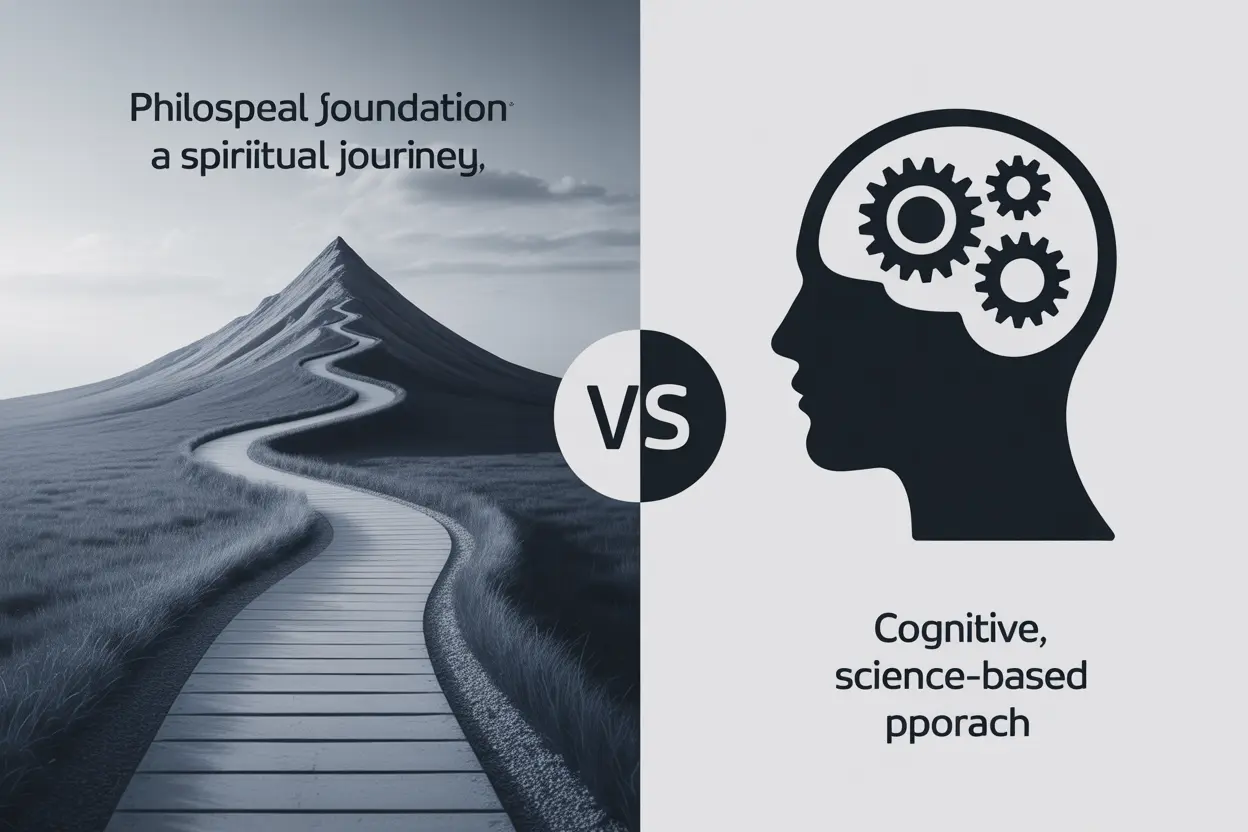
It’s important to remember that the 12-step model is just one of many paths to recovery. What works for one person may not work for another, and that’s perfectly okay. Today, there are excellent, evidence-based alternatives that offer different philosophies and tools for achieving sobriety. Understanding these options can help you find the approach that feels right for you.
Some of the most well-known alternatives include SMART Recovery, LifeRing Secular Recovery, and Moderation Management. Each has a unique perspective on addiction and recovery, moving away from the spiritual framework of traditional 12-step programs. Instead, they often focus on self-empowerment, cognitive skills, and personal responsibility. Let’s look at how their core ideas compare.
| Approach | Core Philosophy | Key Tools & Methods |
|---|---|---|
| 12-Step (AA, NA) | Acceptance & Surrender: Acknowledges powerlessness over addiction and relies on a Higher Power and group support for recovery. | The 12 Steps, sponsorship, group meetings, and sharing personal stories. |
| SMART Recovery | Self-Empowerment: Teaches self-reliance and skills to manage thoughts, feelings, and behaviors. | 4-Point Program based on CBT and motivational interviewing, cost-benefit analysis, and urge coping techniques. |
| LifeRing Secular Recovery | Secular Peer Support: Emphasizes personal responsibility and the "Sober Self" within each individual. It is not anti-religious but focuses on human efforts. | Group meetings where members "empower each other" through conversation and shared experience. |
| Moderation Management | Harm Reduction: Designed for individuals with less severe alcohol problems who wish to reduce their drinking, not necessarily achieve total abstinence. | Goal setting, drink tracking, self-monitoring, and learning strategies for moderate consumption. |
Why Choose a 12-Step Alternative?
While 12-step programs have a long history of success, they aren't a perfect fit for everyone. Many people explore non-12-step rehabs and support groups for very valid reasons. The right approach to recovery is the one that aligns with your personal beliefs, values, and needs.
- Preference for a Secular Approach: Some people are uncomfortable with the spiritual elements of the 12 steps, including the repeated references to "God" or a "Higher Power." Secular alternatives provide a path to recovery without any religious or spiritual requirements.
- Disagreement with "Powerlessness": The concept of being "powerless" (Step 1) can feel discouraging to some. Alternatives like SMART Recovery focus on self-empowerment, teaching that you have the internal resources and can learn the skills needed to overcome addiction.
- Focus on Scientific and Evidence-Based Therapies: Many alternative programs are built on modern psychological principles, such as cognitive behavioral therapy (CBT) and dialectical behavior therapy (DBT). This scientific foundation appeals to those who prefer a more clinical or data-driven approach to recovery.
It's also important to know that you don't have to choose just one path. Many people find success by combining different approaches. It’s entirely possible to attend SMART Recovery meetings to build coping skills while also having a sponsor in AA for community and support. The goal is to build a recovery plan that works for you.
SPECIAL POPULATIONS, WHO MAY NEED MORE OR DIFFERENT HELP?
The journey to recovery is unique for everyone, and some individuals face specific challenges that require a more tailored approach. While the principles of the 12 steps can be widely applied, a truly effective treatment plan considers the distinct needs of different groups. A 12-step informed rehab is often well-equipped to provide this specialized care because it can integrate other therapies to address these needs.
For example, women often face different societal pressures, trauma histories, and family responsibilities than men. Research suggests that women's-only groups can create a greater sense of safety and solidarity, allowing them to discuss sensitive issues more openly. A tailored program might focus on topics like childcare, relationships, and self-esteem in a supportive, gender-specific environment.
Individuals with dual diagnoses, meaning they have both a substance use disorder and a co-occurring mental health condition like depression, anxiety, or PTSD, also require specialized attention. A 12-step informed model is ideal here because it allows clinicians to treat both conditions at the same time. While the 12 steps provide a framework for sobriety, therapies like DBT or trauma-informed care can address the underlying mental health challenges, leading to more sustainable recovery.
Furthermore, cultural and religious backgrounds can influence how a person views addiction and recovery. For some ethnic minorities, the traditional 12-step language may not fully resonate. A culturally competent program will adapt its approach to respect and incorporate a person's cultural values, beliefs, and experiences, making the path to healing feel more inclusive and relevant.
Find Rehabs Near You With Alternatives to AA
Now that you understand the different philosophies, you can start looking for a treatment center in Indiana that feels like the right fit. The best way to make an informed decision is to explore your local options and speak directly with them about their approach. Every facility is different, and finding one that aligns with your personal beliefs is a crucial first step.
You can use our directory to find rehabs near you and filter your search by the type of program you’re interested in, including "12-step informed," "non-12-step," and more. Once you have a few options, don't hesitate to call them. When you speak with an admissions counselor, ask specific questions: Are your clinicians licensed? What kind of training do they have in both 12-step and other evidence-based modalities? How do you create a personalized treatment plan?
Many people worry about their job security when considering treatment. It’s important to know that you may have legal protections. The Family and Medical Leave Act (FMLA) and the Americans with Disabilities Act (ADA) can provide job-protected leave for medical treatment, including substance abuse recovery. Asking about these protections and how the facility handles insurance can ease your mind and help you focus on what matters most, your health.
Your Path to Recovery Starts Here
The most important takeaway is that your path to recovery is yours alone. There is no single "right" way to heal. A 12-step informed program is a powerful option that blends structure, community wisdom, and clinical expertise, but it's one of many paths. Whether you connect with the spiritual principles of the 12 steps or prefer the self-empowerment of an alternative like SMART Recovery, what matters is finding a program that resonates with you.
The "best" treatment is the one where you feel seen, understood, and supported. It’s the one that aligns with your beliefs and gives you the tools you need to build a life free from substance abuse. You have the strength to start this journey, and you don’t have to do it alone. If you're ready to explore your options and find the support you deserve, please take the next step.
You can start by finding a treatment program that fits your needs. Our team at Indiana Rehabs is here to help you understand your options. If you have questions or are ready to get started, you can call our confidential helpline at (888) 568-9930 or visit our contact page. Taking that first step is a sign of incredible strength.