
Rehabs Offering Couples Therapy

Showing 20 of 47 Results (filtered)
Featured Rehab Centers


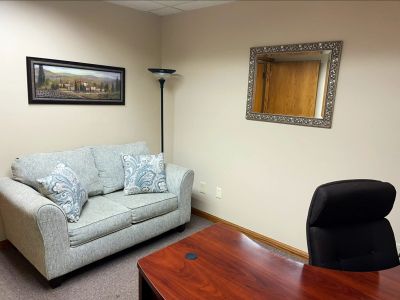
Foundations Counseling Center
Merrillville, Indiana
8973 Broadway, Merrillville, IN 46410

Hamilton Center Inc: Mathew Maleakal S MD
Terre Haute, Indiana
620 8th Ave, Terre Haute, IN 47804



JRNY Counseling LP
Carmel, Indiana
708 Adams St suite 209, Carmel, IN 46032
Get Personalized Rehab Matches in 60 Seconds
Tell us a few details and we’ll show a personalized shortlist of verified Indiana rehabs, making it simple to compare options and choose your next step with confidence.


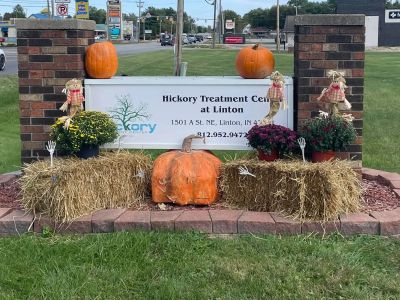
1501 A St NE, Linton, IN 47441

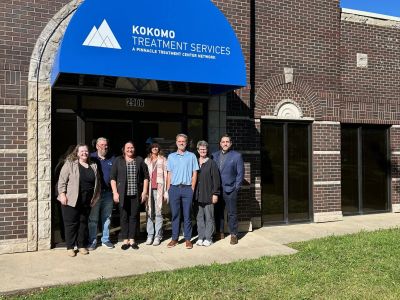

Pinnacle Treatment Centers - Kokomo
Kokomo, Indiana
2906 S. Reed Rd. Kokomo, IN 46902
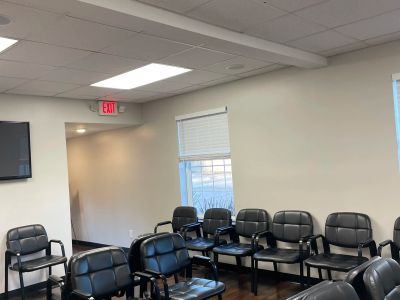

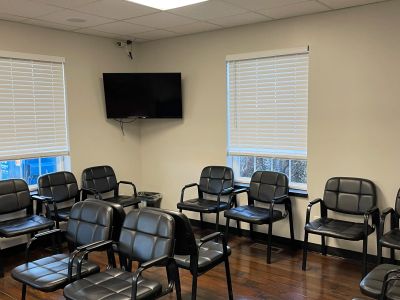
Dr. Malek’s Office – Primary Care, Senior Care & Mental Health
Evansville, Indiana
4972 Lincoln Ave #101, Evansville, IN 47715



Avenues Recovery Center at Indianapolis
Indianapolis, Indiana
7960 Shadeland Ave, Indianapolis, IN 46250


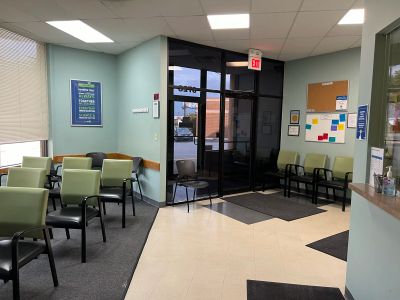
CleanSlate Outpatient Addiction Medicine
Kokomo, Indiana
3728 S Reed Rd, Kokomo, IN 46902

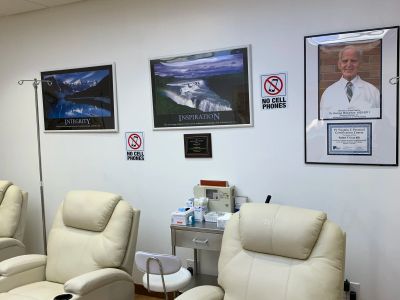

Kentuckiana Integrative Medicine
Jeffersonville, Indiana
405 E Court Ave #102, Jeffersonville, IN 47130


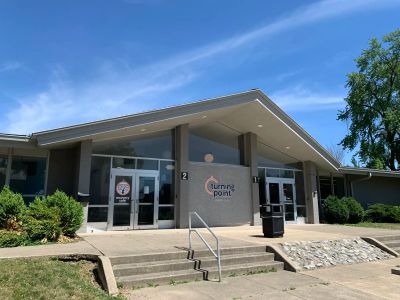
Turning Point SOC
Kokomo, Indiana
1234 N Courtland Ave, Kokomo, IN 46901

The Way of Rockport Indiana
Rockport, Indiana
317 Main Street, Rockport, IN, 47635
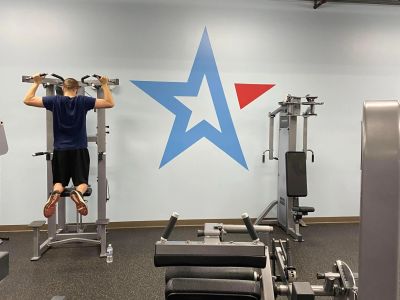
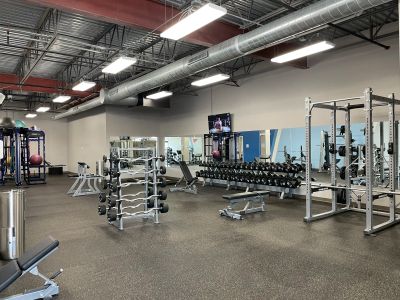


Griffin and Associates, LLC
Terre Haute, Indiana
2901 Ohio Blvd Suite 116-8, Terre Haute, IN 47803



Fresh Start Counseling Services - Merrillville
Merrillville, Indiana
3490 West 81st Avenue, Merrillville, IN 46410

Agape Counseling and Human Services
Indianapolis, Indiana
5150 East stop 11 Road, Indianapolis, IN, 46237

Northside Mental Health
Indianapolis, Indiana
6507 Ferguson St #201, Indianapolis, IN 46220



Oases Counseling Center LLC
Greenfield, Indiana
635 N State St B, Greenfield, IN 46140
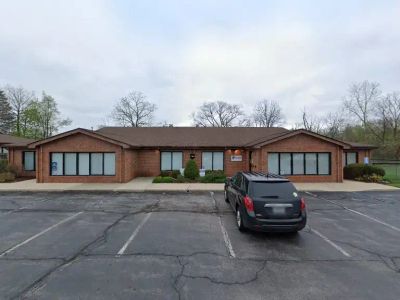


Regional Mental Health Center - Hobart
Hobart, Indiana
7783 East Ridge Road, Hobart, IN, 46342
Personal Counseling Services
Clarksville, Indiana
1205 Applegate Ln, Clarksville, IN 47129


Volunteers of America - Veterans Resource Center
Fort Wayne, Indiana
2833 S. Calhoun Street, Fort Wayne, Indiana 46807
Why Trust Indiana Rehabs
As Hoosiers helping Hoosiers, we understand the unique challenges our communities face. Our team meticulously verifies every Indiana treatment center, ensuring you find trusted, local care that truly understands your journey.
About our listingsLevels of Care
Explore popular treatment options by levels of care, from flexible treatment in Outpatient centers to intensive care in Residential rehabs.
Free · 24/7 · Confidential
Talk to a Treatment Specialist
Call now to get matched with Indiana facilities that accept your insurance.
(888) 568-9930
Free
Ins. check
4.9★
Rating
HIPAA
Protected
Can't travel to a facility?
Licensed Indiana therapists via secure video — same-week appointments, evenings & weekends available.
Maybe you’ve found yourselves stuck in that familiar argument, the conversation looping in circles until you both feel exhausted and unheard. It’s a lonely, frustrating place to be, but it’s one many couples know all too well. couples therapy isn’t about pointing fingers; it’s about discovering new ways to break those stubborn cycles and rekindle the understanding and closeness you both want.
THE PROMINENCE OF COUPLE THERAPY
couples therapy is a specialized type of psychotherapy designed to help partners in an intimate relationship improve their connection, resolve conflicts, and build a healthier future together. It’s a space where you and your partner can explore the dynamics that are causing distress and learn new skills to navigate challenges. The goal isn’t to decide who is right or wrong, but to foster mutual understanding and strengthen the foundation of your relationship.
This kind of support is for everyone. Whether you’re married, in a long-term partnership, dating, or part of an LGBTQ+ couple, therapy can offer a path forward. It’s for any two people who are committed to each other and want to make their relationship work better. The need for this support is clear. When relationships are strained, it affects every part of our lives. Partners in distressed relationships are more likely to experience a mood disorder, anxiety, or a substance use disorder, showing just how deeply our individual well-being is tied to the health of our partnerships. In fact, research shows that including a significant other in treatment for substance use can significantly improve outcomes.[1]
It’s important to have realistic expectations. Therapy is a collaborative journey, not a quick fix. It requires honesty, vulnerability, and a willingness from both partners to do the work. The therapist acts as a guide, providing tools and insights, but the real change happens when you both commit to applying what you learn in your daily lives. The effectiveness of couples therapy often depends on this shared commitment to creating a stronger, more resilient bond.
COUPLE THERAPY: AN EVOLVING FIELD
If you’re picturing a stuffy, old-fashioned office where a therapist just listens and nods, you might be surprised by modern couples therapy. Today’s approaches are built on decades of scientific research into what makes relationships thrive or falter. It's an active, evidence-based field that uses proven strategies to help partners reconnect and build lasting change. Therapists now have a toolbox of different models and interventions, allowing them to tailor the process to your unique needs.

Some of the most respected models include:
- The gottman method: Developed from over 40 years of research observing thousands of couples, this approach is like a practical roadmap. It helps partners build friendship, manage conflict constructively, and support each other's hopes and dreams.
- Emotionally Focused Therapy (EFT): This model focuses on the emotional bond between partners. It helps you understand the deeper feelings and attachment needs that drive your arguments, allowing you to break negative cycles and create a more secure connection.
- Integrative Behavioral Couple Therapy (IBCT): This therapy blends two important ideas: acceptance and change. It helps you understand and accept the differences you can’t change in each other, while also giving you practical skills to change the behaviors that are causing problems.
A great therapist won’t force you into a one-size-fits-all box. Instead, they will often draw from different models of couple therapy to create an approach that feels right for you, your partner, and the specific challenges you’re facing.
A brief history of couple therapy
It might seem obvious now to treat relationship problems by seeing both partners together, but this is a relatively new idea. For a long time, if a couple was having issues, each person would go to their own individual therapy. The idea of "conjoint sessions," where both partners are in the room, didn't gain much traction until the mid-20th century. This shift came from the world of family therapy, where pioneers realized that to help one person, you often needed to understand the whole family system. By the mid-1960s, still only about 15% of therapists were seeing couples together. The field has grown tremendously since then, recognizing that a relationship is its own entity, and to heal it, you have to work with it directly.
FOUNDATION IN RELATIONAL SCIENCE
What makes modern couples therapy so effective is its foundation in relational science. Instead of relying on guesswork, therapists now use strategies backed by rigorous research. Scientists like Dr. John Gottman spent decades in the "Love Lab," observing real couples interact. They recorded everything from conversation patterns to physiological responses to identify the specific behaviors that could predict divorce with stunning accuracy. This research also revealed what happy, successful couples do differently. They build what Gottman calls a "sound relationship house," filled with trust, fondness, and shared meaning. This scientific understanding of relationships allows therapists to move beyond just managing conflict and help couples build the positive interactions that are essential for long-term happiness.
CONVERGING METHODS
The field of couples therapy is becoming more flexible and personalized. Many therapists today take an integrative or pluralistic approach, meaning they don't stick rigidly to just one model. Instead, they draw on techniques from different evidence-based therapies to create a plan that fits a couple's specific situation. For example, a therapist might use the emotional focus of EFT to help a couple understand their attachment needs, while also teaching them practical communication skills from the gottman method. This integrative couple therapy allows for a more creative and effective therapeutic approach. It acknowledges that every relationship is unique and that the path to healing should be just as individualized.
COMMON ELEMENTS OF COUPLE THERAPY
While every therapist has their own style, the journey of couples therapy generally follows a predictable path. It’s a structured process designed to make you feel safe, understood, and empowered to make real changes. The therapy process provides a confidential, neutral ground where you can talk about difficult topics, like communication, finances, parenting, or infidelity, without fear of judgment.

Typically, you can expect the process to unfold in a few key stages:
- Assessment: The first few sessions are about getting to know you. The therapist will want to hear from both of you about the history of your relationship, the challenges you’re facing, and what you each hope to achieve. Sometimes, this includes an individual session with each partner to get a fuller picture.
- Goal Setting: Once the therapist understands your situation, you’ll work together to set clear, achievable goals. This isn't about the therapist telling you what your relationship should look like; it's a collaborative process to define what a happy, healthy partnership means to you.
- Active Work: This is the heart of therapy. During these sessions, you’ll learn and practice new skills. This might involve new ways of communicating, strategies for resolving conflict, or exercises to rebuild intimacy and trust. The therapist will guide and support you as you work through old patterns and build new, healthier ones.
- Looking Ahead: As you make progress and feel more confident in your ability to navigate challenges together, therapy will begin to wind down. The final sessions often focus on creating a plan to maintain your progress and handle future issues on your own.
The systemic view: Sequences and vulnerability cycles
One of the most powerful ideas in couples therapy is the systemic view. Instead of seeing one person as "the problem," systemic therapy looks at the relationship itself as a system. Your therapist will help you identify the negative interaction patterns, or "cycles," that you get stuck in. Maybe one partner's criticism leads to the other partner's withdrawal, which then leads to more criticism. It’s a loop that leaves both of you feeling hurt and alone. By mapping out this vulnerability cycle, you can stop blaming each other and start seeing the pattern as the real enemy. This non-blaming approach allows you both to team up against the cycle, rather than against each other.
Pragmatic focus on relationship satisfaction
couples therapy is not just about talking endlessly about your feelings. It is a practical, results-oriented process focused on one primary goal: increasing your relationship satisfaction. Success isn’t measured by a therapist’s standard, but by yours. Are you arguing less and connecting more? Do you feel more like a team? Are you better able to solve problems together? The therapy is geared toward achieving these tangible outcomes. You’ll learn concrete communication skills and conflict resolution techniques that you can use right away to make a noticeable difference in your day-to-day life together.
Ethical considerations
Trust is the foundation of effective therapy, and that starts with a clear ethical framework. In couples therapy, the "client" is the relationship itself. This means the therapist remains a neutral, unbiased third party, dedicated to the health of your partnership. They won't take sides or decide who is right. Their role is to create a safe space where both partners feel equally heard, respected, and understood. Confidentiality is also a cornerstone of this process. What you share in your sessions is protected, allowing both of you to be open and vulnerable without fear.[2] This commitment to neutrality and privacy ensures that the therapy room remains a sanctuary for healing and growth.
Taking the Next Step in Your Relationship
Deciding to start couples therapy is a significant sign of strength and commitment. Finding the right therapist is the next crucial step. In Indiana, there are many qualified professionals ready to help, and thanks to a growing number of facilities offering family and couples counseling, support is within reach.[3] Here are a few things to consider as you search for a therapist who is the right fit for you and your partner:
- Credentials and Specialization: Look for a licensed professional with specific training in couples counseling. Credentials like LMFT (Licensed Marriage and Family Therapist) indicate a therapist has specialized education and experience in working with relational dynamics.
- Therapeutic Approach: Think about the models we discussed, like the gottman method or EFT. Does one approach resonate more with you? Many therapists list their primary approaches on their websites, which can help you find a good match.
- Insurance and Cost: Before you start, it’s wise to clarify costs. Check to see if your insurance plan covers couples therapy. If not, ask therapists if they offer a sliding scale fee based on income.
- Logistics and Fit: Consider practical matters like location. Do you prefer in-person sessions, or would the flexibility of telehealth be better for your schedules? Most importantly, you both need to feel comfortable with the therapist. Many offer a brief, free consultation call. Use this as an opportunity to ask questions and get a feel for their personality.
There are also dedicated programs in Indiana, like the VOA Fresh Start Family Focused Recovery, that integrate family and couple support into their services. Taking the time to do an assessment of your needs and explore your options will empower you to find the best possible support for your relationship.
Taking that first step can feel intimidating, but it’s an act of hope for your shared future. You don’t have to have all the answers or know how to fix things on your own. The right therapist can provide the guidance and support you need to find your way back to each other. If you’re ready to explore your options, our team at Indiana Rehabs is here to help. You can call us at (888) 568-9930 or contact us to connect with a treatment provider who specializes in supporting couples just like you. Reaching out is the first step toward building a stronger, more connected relationship.
Frequently Asked Questions About Couples Therapy
What if my partner refuses to go to therapy?
How long does couples therapy take?
What's the difference between couples therapy and individual therapy?
Can couples therapy help with infidelity?
Will a therapist tell us if we should break up?
Is it ever too late to start couples therapy?
- van der Maas, M. T. et al. (2020-03-12). The Effect of Significant-Other Involvement in Treatment for Illicit Substance Use Disorders: A Meta-analysis. National Center for Biotechnology Information. pmc.ncbi.nlm.nih.gov
- (2019-11-25). 839 IAC 1-4-4 - Standards for the competent practice of marriage and family therapy. Cornell Law School. law.cornell.edu
- (2019). National Survey of Substance Abuse Treatment Services (N-SSATS): Indiana. Substance Abuse and Mental Health Services Administration. samhsa.gov