
Rehabs Offering Psychoeducation

Showing 20 of 50 Results (filtered)
Featured Rehab Centers

Addictions Recovery Centers - South Bend
South Bend, Indiana
2012 Ironwood Circle, South Bend, IN, 46635

Indiana Center For Recovery - Alcohol & Drug Rehab Center Carmel
Carmel, Indiana
14555 Hazel Dell Pkwy #140, Carmel, IN 46033

Methodist Hospitals Rehab Center
Merrillville, Indiana
101 E 87th Avenue Pavilion A, Third Floor, Merrillville, IN 46410
Get Personalized Rehab Matches in 60 Seconds
Tell us a few details and we’ll show a personalized shortlist of verified Indiana rehabs, making it simple to compare options and choose your next step with confidence.

Spero Health - Connersville
Connersville, Indiana
531 North Central Avenue Suite 6, Connersville, IN 47331
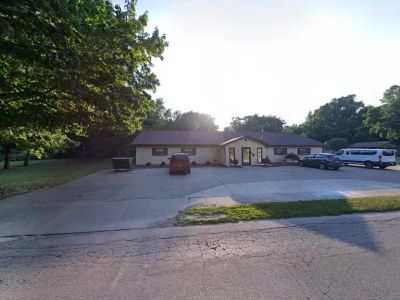


Through The Gate
Crawfordsville, Indiana
811 Whitlock Ave, Crawfordsville, IN 47933

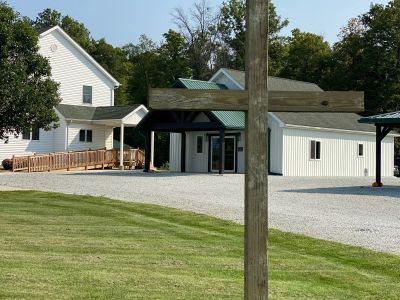

Valley of Grace
Kokomo, Indiana
5254 County Rd North 500 E, Kokomo, IN 46901
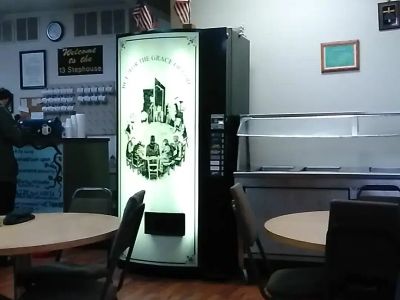
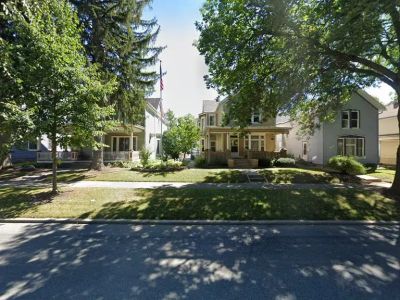
The Thirteen Step House
Fort Wayne, Indiana
1317 W Washington Blvd, Fort Wayne, IN, 46802

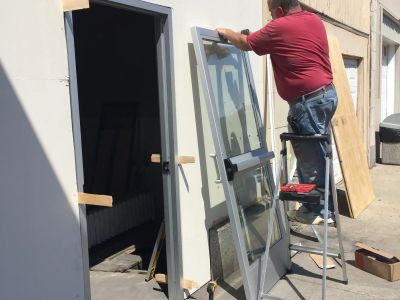
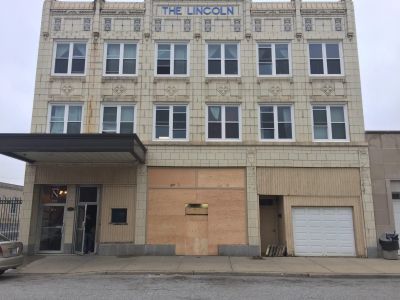
Better Roads Recovery Ministry
Hammond, Indiana
519 State St #1533, Hammond, IN 46320
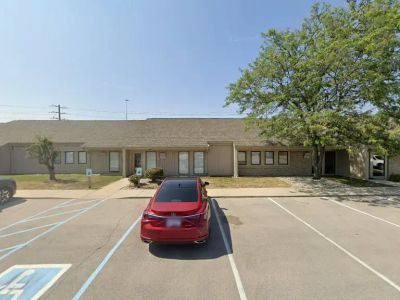
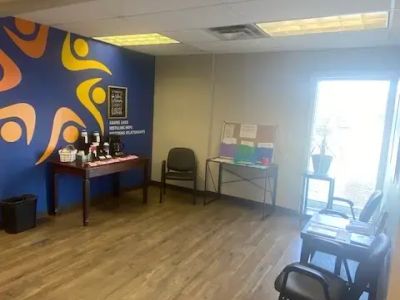
SperoHealth - Indianapolis
Indianapolis, Indiana
8202 Clearvista Parkway, Indianapolis, IN, 46256



Avenues Recovery Center at Indianapolis
Indianapolis, Indiana
7960 Shadeland Ave, Indianapolis, IN 46250
Amethyst House - Women's House
Bloomington, Indiana
322 West 2nd Street, Bloomington, IN 47401

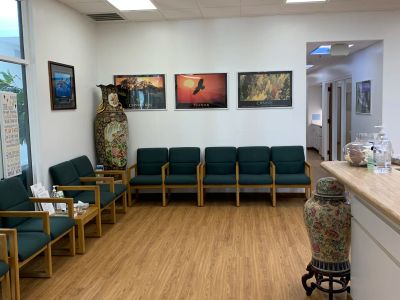
Kentuckiana Integrative Medicine
Jeffersonville, Indiana
405 E Court Ave #102, Jeffersonville, IN 47130

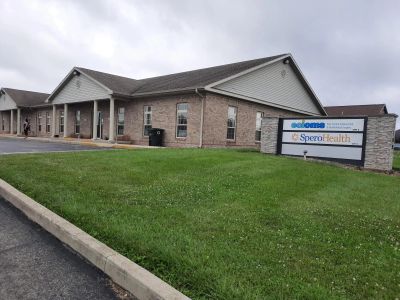

SperoHealth - Muncie
Muncie, Indiana
3700 North Briarwood Lane, Muncie, IN, 47304

Centerstone Recovery Transitional Housing
Lexington, Indiana
2520 Parker Ln, Lexington, IN 47138
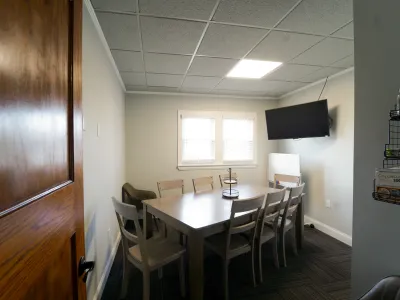
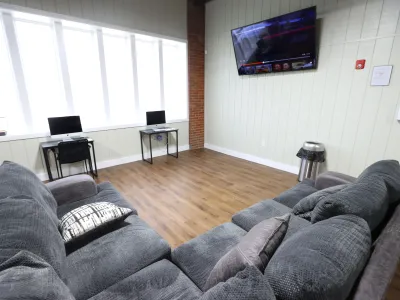
First City Recovery Center
Kokomo, Indiana
317 W Jefferson St, Kokomo, IN, 46901
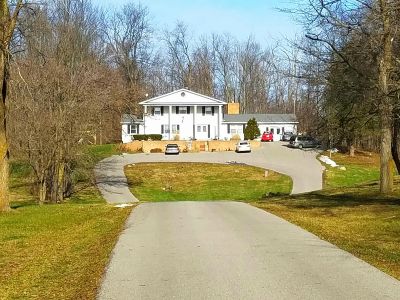
Rose Garden Recovery Community
Syracuse, Indiana
72876 Co Rd 29, Syracuse, IN 46567


Fresh Start Counseling Services - Merrillville
Merrillville, Indiana
3490 West 81st Avenue, Merrillville, IN, 46410
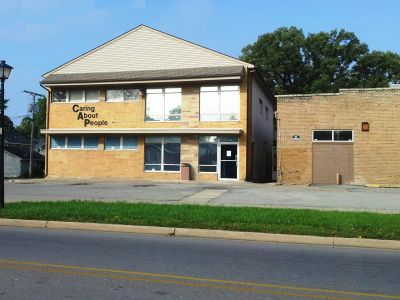
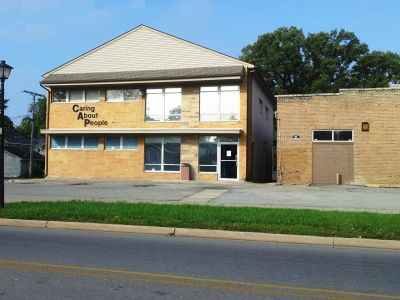
Caring About People - Counseling
Fort Wayne, Indiana
1417 N Anthony Blvd, Fort Wayne, IN 46805

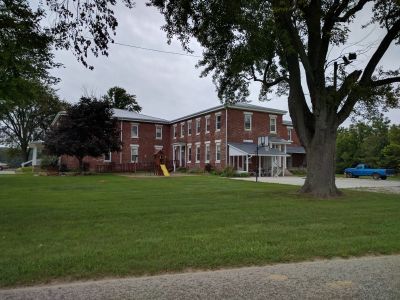
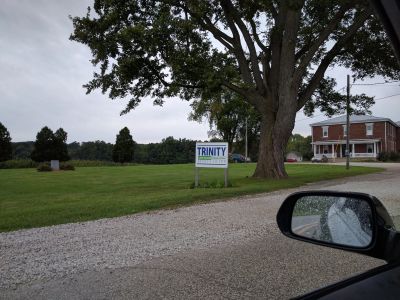
Trinity Life Ministry
Crawfordsville, Indiana
1101 Whitlock Ave, Crawfordsville, IN 47933


Wooded Glen Recovery Center
Henryville, Indiana
2602 Hebron Church Rd., Henryville, IN, 47126
Why Trust Indiana Rehabs
As Hoosiers helping Hoosiers, we understand the unique challenges our communities face. Our team meticulously verifies every Indiana treatment center, ensuring you find trusted, local care that truly understands your journey.
About our listingsLevels of Care
Explore popular treatment options by levels of care, from flexible treatment in Outpatient centers to intensive care in Residential rehabs.
Free · 24/7 · Confidential
Talk to a Treatment Specialist
Call now to get matched with Indiana facilities that accept your insurance.
(888) 568-9930
Free
Ins. check
4.9★
Rating
HIPAA
Protected
Can't travel to a facility?
Licensed Indiana therapists via secure video — same-week appointments, evenings & weekends available.
Have you ever wished you had a clear roadmap when facing the confusion and uncertainty of a mental health diagnosis? Feeling lost is common, like you’re stuck in a maze of new terms and worries, searching for answers that actually help. psychoeducation is that empowering guide, turning complexity into clarity and giving both you and your loved ones the tools to move forward with confidence and hope.
WHAT IS PSYCHOEDUCATION?
At its heart, psychoeducation is an evidence-based therapy that gives individuals and their families the knowledge and skills to understand and cope with a mental health condition or illness. Think of it as a form of education-based counseling. Instead of just talking about feelings, this approach focuses on providing clear, practical information about a diagnosis, its symptoms, and the most effective treatment options available.
The core idea is to demystify mental health. When a person receives a diagnosis, they often feel overwhelmed and powerless. psychoeducation was developed to change that, empowering patients and their loved ones to become active partners in the recovery process. It’s not a standalone cure, but it’s a critical component of a comprehensive treatment plan. By building a strong foundation of understanding, it helps other forms of therapy, like cognitive behavioral therapy (CBT), become even more effective.[1] This approach provides the "why" behind the treatment, making the journey toward wellness feel less like a mystery and more like a manageable path forward.
GOALS OF PSYCHOEDUCATION
The primary goal of psychoeducation is to empower you with information, turning confusion into confidence. It works by breaking down complex topics into understandable parts, helping you and your family feel more in control. Here are some of the key objectives:
- Increasing Knowledge: The first step is always understanding. psychoeducation provides detailed information about a specific mental illness, including its causes, symptoms, and prognosis. This helps to normalize the experience and answer the "why is this happening?" questions.
- Developing Skills: It’s not just about knowing, it’s about doing. Sessions focus on teaching practical coping mechanisms and problem-solving skills to manage symptoms effectively and navigate daily challenges.
- Empowering Individuals: Knowledge is power. By understanding their condition and treatment options, individuals can become active participants in their own care, making informed decisions that align with their recovery goals.
- Reducing Stigma: Mental health conditions are often surrounded by shame and misinformation. psychoeducation works to dismantle stigma by explaining the biological and psychological factors at play, which helps reduce self-blame among individuals and judgment from others.[2]
- Improving Treatment Adherence: When individuals understand how and why a treatment works, they are more likely to stick with it. This includes attending therapy sessions, taking medication as prescribed, and engaging in self-care practices.
- Strengthening Support Systems: By involving loved ones, family-focused psychoeducation helps create a supportive home environment, which is crucial for long-term recovery.
VARIOUS TYPES OF PSYCHOEDUCATION
psychoeducation isn't a one-size-fits-all approach. It can be tailored to fit the unique needs of different individuals, families, and situations.[3] The right format depends on the specific diagnosis, the person's comfort level, and the overall treatment plan. Whether delivered one-on-one or in a group setting, the goal remains the same: to provide clarity and practical skills for managing a mental health condition.[4]

Individual Psychoeducation
Individual psychoeducation involves one-on-one sessions between a client and a therapist. This format offers a private, confidential space to learn and ask questions that might feel too sensitive to bring up in a group. It allows the therapist to tailor information directly to the person's specific symptoms, experiences, and learning style. These sessions are often used at the beginning of treatment to build a solid foundation of understanding before moving on to other therapeutic work.
GROUP PSYCHOEDUCATION
In group psychoeducation, several individuals facing similar challenges come together to learn with a facilitator. This setting is incredibly powerful for reducing feelings of isolation. Hearing from peers who are going through the same thing helps participants realize they aren't alone. These groups, often focused on a specific disorder like anxiety or ADHD, allow for shared learning where members can exchange coping strategies and offer mutual support.
FAMILY PSYCHOEDUCATION
Family psychoeducation brings family members and caregivers into the learning process. A mental health condition doesn't just affect one person; it impacts the entire family system. This approach helps loved ones understand the illness, its treatment, and how they can provide effective support. It focuses on improving communication, setting healthy boundaries, and reducing stress at home, creating a stronger support system for everyone involved.
HOW EFFECTIVE IS PSYCHOEDUCATION
psychoeducation is widely recognized as an effective, evidence-based practice for a reason: it works.[5] Studies consistently show that when individuals and their families understand a mental health condition, treatment outcomes improve significantly. For example, research has demonstrated that family involvement through psychoeducation can lower relapse rates by a remarkable amount. This approach is a key component in many effective outpatient programs.[6]
Beyond preventing relapse, its efficacy is seen in better treatment adherence, as clients who understand the "why" behind their care are more likely to stick with it. It also leads to an enhanced quality of life and a noticeable reduction in symptoms. However, it's important to remember that psychoeducation is most powerful when it's part of a comprehensive treatment plan that may include other therapies and medication. Its success relies on active participation and a willingness to learn and apply new skills.
PSYCHOEDUCATION IN VARIOUS PSYCHIATRIC DISORDERS
psychoeducation is not a rigid, one-size-fits-all therapy. It is carefully adapted to address the unique challenges of different mental health conditions and substance use disorders.[7] The information, skills, and strategies taught are tailored to the specific symptoms and life impacts of the diagnosis, whether it's schizophrenia, ADHD, or anxiety. This ensures that each person receives relevant, practical guidance that truly makes a difference in their recovery journey.

PSYCHOEDUCATION FOR BIPOLAR DISORDER
For individuals with bipolar disorder, psychoeducation is a cornerstone of effective management. Sessions focus on helping patients and their families recognize the early warning signs of both manic and depressive episodes. A key part of the curriculum is learning about the importance of lifestyle regularity, including consistent sleep schedules, daily routines, and stress management techniques. It also emphasizes the critical role of medication adherence and helps everyone collaborate on a relapse prevention plan to navigate potential challenges.
PSYCHOEDUCATION FOR ANXIETY AND DEPRESSIVE DISORDERS
When it comes to anxiety, psychoeducation often starts by explaining the body’s "fight-or-flight" response. Understanding this biological process can demystify panic attacks and persistent worry, making them feel less frightening. Clients learn practical relaxation techniques and coping skills to manage symptoms. For depression, the focus might be on the cognitive model, a core component of CBT that explores how thoughts, feelings, and behaviors are interconnected. This helps individuals identify and challenge negative thought patterns that contribute to depressive feelings.
PSYCHOEDUCATION FOR SUBSTANCE USE DISORDER
For those navigating recovery from a substance use disorder, psychoeducation helps them understand addiction as a chronic but treatable disease. This perspective shift reduces shame and empowers individuals to take control of their recovery. Key topics include identifying personal triggers, developing strategies to cope with cravings, and creating a solid relapse prevention plan. Education also covers the effects of substances on the brain and body, which reinforces the motivation to maintain a sober lifestyle. This is particularly vital in communities facing unique challenges, like those addressing Substance Use in Rural Areas.
Finding the Right Support in Indiana
Ultimately, psychoeducation is a powerful tool that equips individuals and their families with the knowledge and skills needed to navigate the path to recovery. It transforms uncertainty into empowerment, providing a clear roadmap for managing mental health and substance use conditions. In Indiana, many treatment centers offer this evidence-based therapy as a core part of their programs, ensuring you have access to high-quality care.[8] Finding qualified providers is a crucial step in your journey. For official information on state-certified services, you can consult resources like the Indiana Division of Mental Health and Addiction. Our directory can also help you find local providers who offer psychoeducation services tailored to your needs.
Taking that first step can feel overwhelming, but you don’t have to do it alone. Gaining a deeper understanding of a condition is a foundational part of healing, and the right support can make all the difference. If you’re ready to learn more or find a treatment program in Indiana, our team at Indiana Rehabs is here to help. You can explore our resources or call us at (888) 568-9930 to speak with a caring specialist. Please don't hesitate to contact us to start your journey toward clarity and recovery today.
Frequently Asked Questions About Psychoeducation
What happens during a psychoeducation session?
Is psychoeducation the same as therapy?
Who can benefit from psychoeducation?
How do I know if psychoeducation is working?
Is psychoeducation covered by insurance?
- Indiana University, Center for Evaluation. (2020). An evaluation of trauma-focused cognitive behavioral therapy. Indiana Department of Child Services. in.gov
- Carr, A. (2024). family therapy and systemic interventions for child‐focussed problems: The current evidence base. Journal of family therapy. onlinelibrary.wiley.com
- Substance Abuse and Mental Health Services Administration. (2019). Indiana 2019 Mental Health National Outcome Measures (NOMS). SAMHSA. samhsa.gov
- Centers for Medicare & Medicaid Services. (2023). Healthy Indiana Plan (HIP) IMD/SMI Demonstration Summative Evaluation Report. Medicaid.gov. medicaid.gov
- Chaval, A., Cooper, K., & Torres, M. (2023). Evidence-based Treatment for Substance Use Disorders in Community Mental Health. Community Mental Health Journal. pmc.ncbi.nlm.nih.gov
- French, M. T. et al. (2003). Effectiveness and Cost-effectiveness of Four Treatment Modalities for Substance Use Disorders. Journal of Mental Health Policy and Economics. pmc.ncbi.nlm.nih.gov
- U.S. Department of Health & Human Services. (2021). State Residential Treatment for Behavioral Health: A National Qualitative Study of State Regulations and Written Policies - Indiana. AS-PE. aspe.hhs.gov
- Indiana Family and Social Services Administration. (2020). FSSA: DMHA: Certification and Licensure Rules and Indiana Code. in.gov. in.gov