
Transcranial Magnetic Stimulation (TMS) Therapy in Indiana



Showing 20 of 26 Results (filtered)
Featured Rehab Centers

Centerstone - New Castle
New Castle, Indiana
3221 S Memorial Dr, New Castle, IN 47362

Crossroads Healing Center - Addiction & Mental Health Treatment in Indiana
Connersville, Indiana
450 Erie Ave, Connersville, IN 47331


Indiana Center for Recovery - Alcohol & Drug Rehab Center Jeffersonville
Jeffersonville, Indiana
601 N Shore Dr Suite 102-103, Jeffersonville, IN 47130
Get Personalized Rehab Matches in 60 Seconds
Tell us a few details and we’ll show a personalized shortlist of verified Indiana rehabs, making it simple to compare options and choose your next step with confidence.
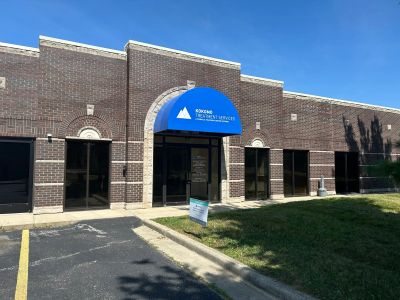
Pinnacle Treatment Centers - Kokomo
Kokomo, Indiana
2906 S. Reed Rd. Kokomo, IN 46902



Indiana Center for Recovery - Alcohol & Drug Rehab Center Indianapolis
Indianapolis, Indiana
5510 S Emerson Ave, Indianapolis, IN 46237



Indiana Center for Recovery
Bloomington, Indiana
1004 West 1st Street, Bloomington, IN, 47403

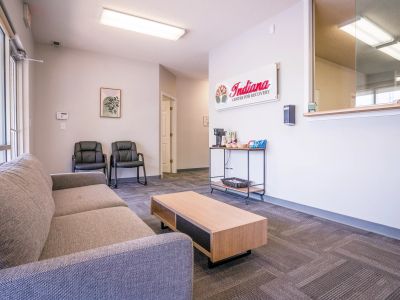
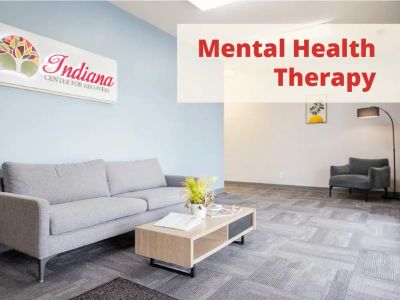
Indiana Center For Recovery - Alcohol & Drug Rehab Lafayette
Lafayette, Indiana
2529 Schuyler Ave #700, Lafayette, IN 47905



Indiana Center for Recovery- Alcohol & Drug Rehab Center Merrillville
Merrillville, Indiana
1578 E 85th Ave, Merrillville, IN 46410

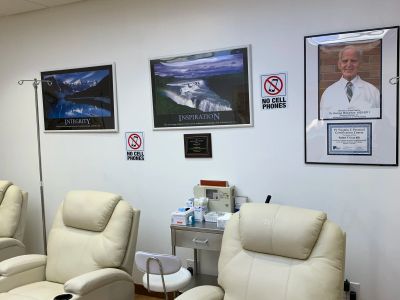

Kentuckiana Integrative Medicine
Jeffersonville, Indiana
405 E Court Ave #102, Jeffersonville, IN 47130
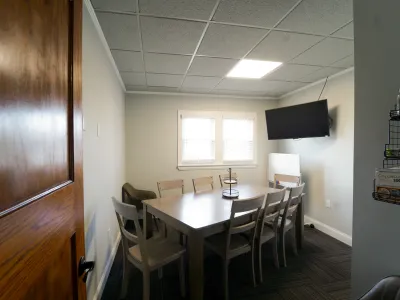
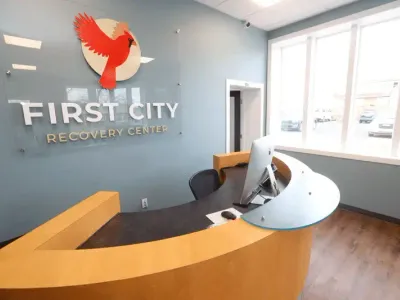
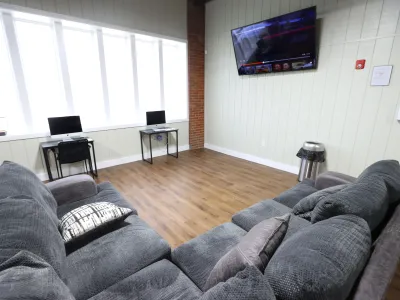
First City Recovery Center
Kokomo, Indiana
317 W Jefferson St, Kokomo, IN, 46901



215 W 4th St, Mishawaka, IN 46544
Centerstone - Serenity House
Richmond, Indiana
115 N 13th St, Richmond, IN 47374

Centerstone - Mapleview Apartments
Columbus, Indiana
2999 9th St, Columbus, IN 47201

Centerstone - Martinsville
Martinsville, Indiana
1175 Southview Drive, Martinsville, IN, 46151


Truth Treatment Center
Indianapolis, Indiana
7112 Madison Ave, Indianapolis, IN 46227

Centerstone - North Vernon
North Vernon, Indiana
1260 East Buckeye Street, North Vernon, IN, 47265


Centerstone - Greensburg
Greensburg, Indiana
1530 Commerce Park West Drive, Greensburg, IN, 47240

Centerstone – Hillcrest House
Seymour, Indiana
1216 N Hillcrest Dr, Seymour, IN 47274

Centerstone
Columbus, Indiana
2412 Indiana Ave, Columbus, IN 47201

Centerstone - Children and Family Services
Union City, Indiana
224 N Columbia St, Union City, IN 47390
Why Trust Indiana Rehabs
As Hoosiers helping Hoosiers, we understand the unique challenges our communities face. Our team meticulously verifies every Indiana treatment center, ensuring you find trusted, local care that truly understands your journey.
About our listingsLevels of Care
Explore popular treatment options by levels of care, from flexible treatment in Outpatient centers to intensive care in Residential rehabs.
Free · 24/7 · Confidential
Talk to a Treatment Specialist
Call now to get matched with Indiana facilities that accept your insurance.
(888) 568-9930
Free
Ins. check
4.9★
Rating
HIPAA
Protected
Can't travel to a facility?
Licensed Indiana therapists via secure video — same-week appointments, evenings & weekends available.
You’ve tried therapy, medications, maybe even lifestyle changes, but the weight of depression still lingers, each new approach starting with hope and ending in disappointment. It’s exhausting, and after so many false starts, it’s hard not to feel like you’re running out of options. If you’re searching for something different, there’s a reason to take heart: non-invasive, drug-free treatments like TMS are opening new doors, and understanding how it works could be the first real step toward feeling better.
What is transcranial magnetic stimulation (TMS)?
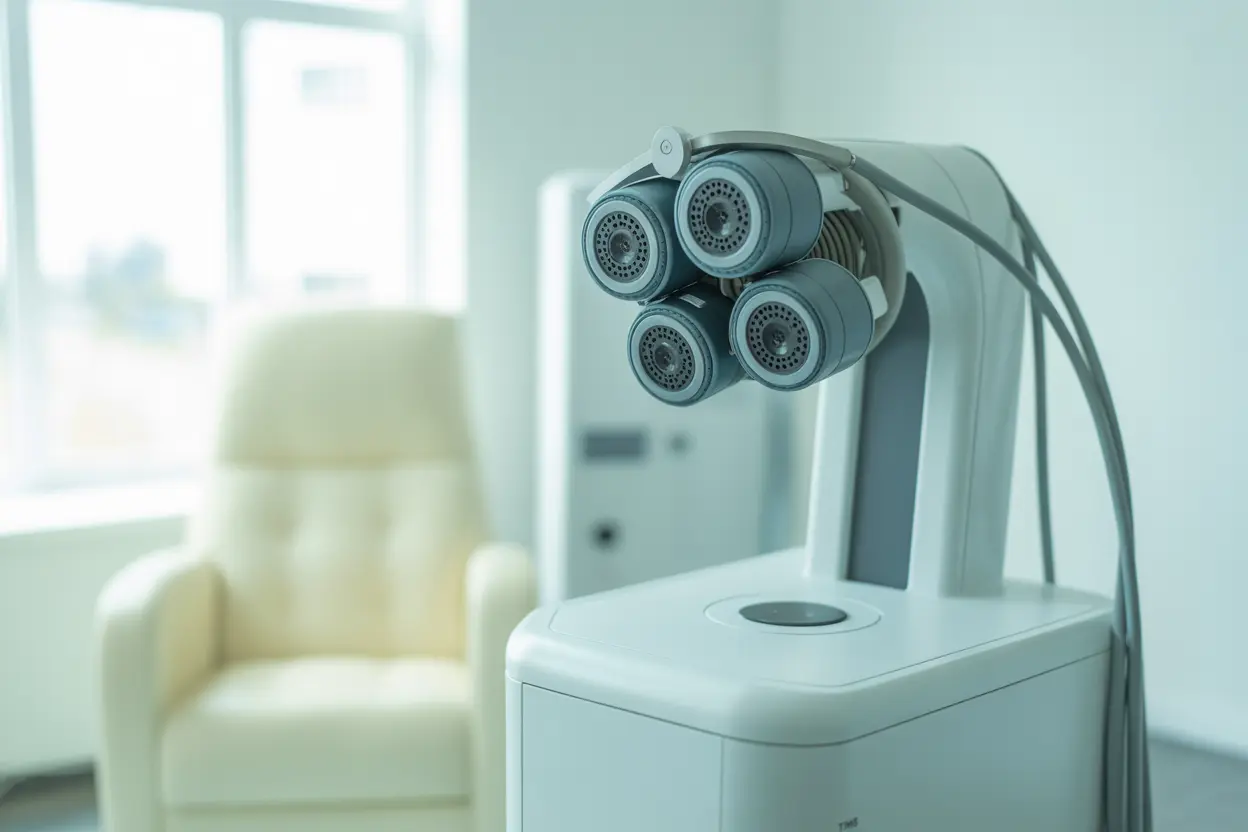
If you're hearing about TMS therapy for the first time, it might sound complicated, but the idea behind it is quite straightforward. At its core, transcranial magnetic stimulation is a non-invasive medical treatment that uses magnetic fields to gently stimulate specific areas of the brain. The technology is similar to what’s used in an MRI machine, so it’s a well-established and safe way to interact with the body’s neural pathways.
The Food and Drug Administration (FDA) has approved TMS as a treatment for several conditions, most notably for Major Depressive Disorder (MDD) and Obsessive-Compulsive Disorder (OCD)[1]. It’s typically recommended for individuals who have tried other depression treatments, like medication and psychotherapy, without finding the relief they need. Think of it as a next step when the usual paths haven't led to a better place. It offers a different approach by working directly with the brain’s own electrical activity to help restore balance and improve mood.
How does TMS work?
So, how does a magnetic field actually help with depression? It all starts with a small electromagnetic coil. During a TMS session, this coil is gently placed against your scalp near your forehead. The coil then delivers a series of repetitive, focused magnetic pulses to a very specific part of your brain: the dorsolateral prefrontal cortex.
This area of the brain plays a huge role in regulating your mood, but in people experiencing depression, it's often underactive. The magnetic pulses from the coil pass harmlessly through the skull and create tiny electrical currents that stimulate the nerve cells in this region[2]. You can think of it like gently "waking up" or "re-tuning" the part of your brain responsible for mood control. Over a series of treatments, this stimulation helps restore normal brain activity, which can lead to a significant reduction in depression symptoms. It’s a way of helping your brain help itself get back on track.
Different types of TMS
While the basic principle remains the same, there are a couple of common types of TMS you might hear about. The most widely used is Repetitive TMS (rTMS). Just as the name suggests, this involves delivering magnetic pulses in quick succession, or trains of pulses, to stimulate the brain. It's the standard and most-studied form of this treatment.
Another type is Deep TMS (dTMS). This approach uses a specially designed H-coil, which is shaped differently to stimulate a broader and deeper area of the brain. While both rTMS and dTMS are effective, your provider will help determine which type of coil and treatment protocol is the best fit for your specific needs and condition.
What you can expect
Starting any new treatment can feel intimidating, but the TMS process is designed to be as comfortable and straightforward as possible. Knowing what to expect from beginning to end can help ease any worries you might have. Here’s a simple breakdown of the journey.
Before your first appointment
Your journey with TMS will begin with an initial consultation. During this meeting, a psychiatrist or provider will conduct a thorough evaluation to make sure TMS is a safe and appropriate option for you. They’ll review your medical history, discuss your past treatments, and answer any questions you have.
If you’re a good candidate, you’ll schedule what’s called a "mapping session." This is a crucial first step where the technician customizes the treatment just for you. They'll place the coil on your head to find the exact location of your motor cortex by sending single pulses until they see a small twitch in your thumb. This helps them identify the precise spot to target for mood regulation and determine the right energy level, or motor threshold, for your unique brain. It’s a painless process that ensures every treatment is tailored for the best possible results.
During each treatment
When you arrive for a treatment session, you’ll be shown to a comfortable chair where you can relax. You’ll be awake and alert the entire time, you can read, listen to music, or just sit back. The technician will place the magnetic coil against your head in the location determined during your mapping session. For your comfort, you’ll be given earplugs to muffle the sound.
Once the session begins, you'll hear a series of clicking sounds and feel a light tapping or tingling sensation on your scalp. Many people get used to this feeling after the first few sessions. The entire procedure is quite short, with a typical session lasting between 20 to 40 minutes. It's a simple, passive process where you can just take a moment for yourself while the technology does its work.
After each treatment
One of the biggest advantages of TMS is that there is no recovery time needed. As soon as your session is over, you can get up and go about your day. You can drive yourself home, return to work, or head to any other appointments you have. There’s no need for sedation or a lengthy recuperation period.
Some people might experience mild side effects, like a headache or some scalp discomfort at the treatment site, but this is usually temporary and tends to fade shortly after the session. Most people find that these minor effects lessen as they get used to the treatments. You can continue with all your normal daily activities without interruption.
How effective is TMS?
When you've dealt with treatment-resistant depression, the most important question is, "Does it actually work?" For many people, TMS is a very effective option. Studies have shown that TMS can produce significant results where other treatments have fallen short. On average, response rates, which mean a significant reduction in symptoms, are around 43% to 46% for people with major depression[3][1]. Remission rates, meaning symptoms go away completely, are around 31%[1].
While results can vary from person to person, many individuals experience a meaningful improvement in their mood, energy levels, and overall quality of life. For some, the effects are long-lasting. To help sustain the positive results, some people may benefit from occasional maintenance therapy sessions after their initial course of treatment is complete.
What are the side effects?
One of the main reasons people consider TMS is its reputation for being a well-tolerated treatment with minimal side effects. Unlike medications that affect the entire body, TMS is targeted directly at a specific brain region, which helps reduce the risk of systemic complications. However, like any medical procedure, it’s not entirely without potential side effects, though most are mild and temporary[2].
Common side effects
The side effects that people experience most often are usually mild and tend to decrease as the treatment course progresses. These can include:
- Mild headaches that typically respond well to over-the-counter pain relievers.
- Scalp discomfort or sensitivity at the site where the coil was placed.
- A tingling or twitching sensation in the facial muscles during the session.
These effects generally occur shortly after a session and resolve on their own without causing any lasting issues.
Uncommon side effects
Serious side effects from TMS are very rare. The most significant risk is the possibility of a seizure. However, the risk of seizure is extremely low, occurring in less than 0.01% of sessions. To ensure safety, every person is carefully screened for a history of epilepsy or other seizure risk factors before starting treatment. There is also a small risk of hearing problems if proper ear protection isn't used during the sessions, which is why earplugs are always provided. Your provider will discuss all potential risks with you to make sure you can make an informed decision.

Who is TMS not for?
While TMS is a safe treatment for many, it's not the right fit for everyone. There are specific contraindications that can make the procedure unsafe. The primary concern involves the strong magnetic fields, which means anyone with non-removable metal implants in or near their head cannot receive TMS therapy. This is because the magnets could potentially move or heat the metal, causing serious injury.
Examples of these implants include:
- Aneurysm clips or coils
- Stents in the neck or brain
- Deep brain stimulators
- Cochlear implants or other ear implants
- Shrapnel or bullet fragments in or near the head
It's important to note that braces and standard dental fillings are generally not a problem. Additionally, TMS is not recommended for people with pacemakers or a personal history of seizures or epilepsy, as the treatment involves stimulating the brain's electrical activity[1]. A thorough psychiatric evaluation before starting treatment will ensure it's a safe choice for you.
How does TMS compare to ECT?
When exploring treatments for severe depression, you might also hear about Electroconvulsive Therapy (ECT). While both TMS and ECT are effective brain stimulation therapies, they are very different procedures. ECT works by passing an electrical current through the brain to intentionally induce a brief, controlled seizure, which requires the use of general anesthesia.
TMS, on the other hand, uses magnetic pulses instead of an electrical current and does not cause a seizure. Because of this, it doesn't require any anesthesia or sedation, and you can remain awake and alert throughout the entire session. The biggest advantage of TMS over ECT is its much milder side effect profile. ECT is often associated with cognitive side effects, such as confusion and memory loss, which are not risks with TMS therapy[4]. For many, this makes TMS a more appealing option with less impact on daily life.
| Feature | TMS (transcranial magnetic stimulation) | ECT (Electroconvulsive Therapy) |
|---|---|---|
| Procedure | Uses magnetic pulses to stimulate specific brain regions. | Uses an electrical current to induce a controlled seizure. |
| Anesthesia | Not required. Patient is awake and alert. | General anesthesia is required. |
| Seizure Induction | Does not induce a seizure. | Induces a brief, therapeutic seizure. |
| Common Side Effects | Mild headache, scalp discomfort. | Memory loss, confusion, nausea, muscle aches. |
| Recovery Time | None. Can resume daily activities immediately. | Requires recovery time from anesthesia. |
How to access care
If you think TMS might be the right step for you, getting started is a straightforward process. The first thing to do is talk with your psychiatrist or primary care provider. They can help you determine if you're a good candidate and provide a referral if needed.
Here in Indiana, you can use our directory to find qualified TMS providers near you. It's a great resource for comparing your options and finding a clinic that fits your needs. Before you commit to treatment, it’s also very important to contact your health insurance company. They can tell you exactly what your plan covers, as insurance coverage for TMS can vary. Asking about pre-authorization requirements and potential out-of-pocket costs will help you plan ahead and avoid any surprises. Please note that a listing in our directory is for informational purposes only and does not serve as an endorsement.
Taking the Next Step in Your Mental Health Journey
Living with depression can feel like an uphill battle, but you don't have to fight it alone. TMS therapy offers a non-invasive, FDA-approved treatment that has brought hope and relief to many people, especially when other methods haven't worked. With no downtime and a low risk of side effects, it allows you to continue with your daily life while investing in your mental health. If you're ready to explore new treatment options, talking to a healthcare provider about TMS could be the next right step on your path to recovery.
Finding the right help is closer than you think. To learn more or to find a treatment center in Indiana, call us at (888) 568-9930. Our team at Indiana Rehabs is here to support you. You can also contact us to start the conversation. Taking this step is a sign of strength, and we're here to help you navigate the journey.
Frequently Asked Questions About TMS Therapy for Depression
Is TMS therapy painful?
How many sessions of TMS will I need?
Does insurance cover TMS therapy?
Can I continue my regular medications during TMS?
When will I start to see results from TMS?
Are the results of TMS therapy permanent?
- Centers for Medicare & Medicaid Services. (2015). transcranial magnetic stimulation (TMS) in the treatment of adults with major depressive disorder. CMS.gov. cms.gov
- Perera, T. et al. (2019). Use of transcranial magnetic stimulation for depression. Focus (Am Psychiatr Publ). pmc.ncbi.nlm.nih.gov
- Cao, B. et al. (2025). Accelerated repetitive transcranial magnetic stimulation in the treatment of major depressive disorder. Translational Psychiatry. pmc.ncbi.nlm.nih.gov
- Vo, K. T. et al. (2025). Resource utilization and economic outcomes following repetitive transcranial magnetic stimulation. Journal of Medical Economics. pmc.ncbi.nlm.nih.gov