
Rehabs for Postpartum Mood & Anxiety (PMADs)

Showing 20 of 22 Results (filtered)
Featured Rehab Centers



Boca Recovery Center - Indiana Drug and Alcohol Rehab
Huntington, Indiana
3040 W Park Dr, Huntington, IN 46750



Cardinal Recovery
Franklin, Indiana
1130 West Jefferson St, Franklin, IN, 46131



Indiana Center for Recovery - Alcohol & Drug Rehab Center Bedford
Bedford, Indiana
1600 23rd St, Bedford, IN 47421
Get Personalized Rehab Matches in 60 Seconds
Tell us a few details and we’ll show a personalized shortlist of verified Indiana rehabs, making it simple to compare options and choose your next step with confidence.

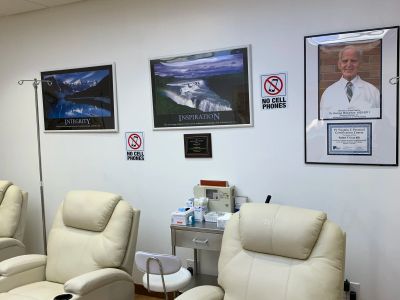

Kentuckiana Integrative Medicine
Jeffersonville, Indiana
405 E Court Ave #102, Jeffersonville, IN 47130



First City Recovery Center
Kokomo, Indiana
317 W Jefferson St, Kokomo, IN, 46901


Aspire Indiana Health - Anderson
Anderson, Indiana
215 West 19th St Anderson, Anderson, IN, 46016


Marion VAMC - Evansville Health Care Center
Evansville, Indiana
6211 East Waterford Boulevard, Evansville, IN, 47715

Southern Hills Counseling Center - Rockport
Rockport, Indiana
107 North 2nd street, Rockport, IN, 47635



LifeSpring Health Systems - Washington County Office
Salem, Indiana
1321 South Jackson Street, Salem, IN, 47167



LifeSpring Health Systems - Turning Point Center
Jeffersonville, Indiana
1060 Sharon Drive, Jeffersonville, IN, 47130



Meridian Women's Recovery Home
Muncie, Indiana
1101 Wheeling Ave, Muncie, IN 47303


Meridian Health Services - Portland
Portland, Indiana
931 West Water Street, Portland, IN 47371
Meridian Health Services - Bluffton
Bluffton, Indiana
1025 S. Main St., Suite 1 Bluffton Indiana 46714
Ascension Medical Group St Vincent - Kokomo Primary Care
Kokomo, Indiana
615 Saint Joseph Dr Kokomo, IN 46901
Ascension Medical Group St Vincent - Broad Ripple Primary & Specialty Care
Indianapolis, Indiana
1001 Broad Ripple Ave Indianapolis, IN 46220
Ascension Medical Group St Vincent - Kokomo Primary Care
Kokomo, Indiana
188 E Southway Blvd Kokomo, IN 46902
Pinnacle Treatment Centers - 2209 John R Wooden Drive
Martinsville, Indiana
2209 John R Wooden Drive, 3rd Floor Martinsville, IN 46151
Meridian Health Services - Marion
Marion, Indiana
911 N. Western Ave. Marion IN 46952
LifeSpring Health Systems - Dubois County Services
Jasper, Indiana
480 Eversman Drive Jasper, IN 47546
Centerstone – Pierson House
Richmond, Indiana
76 S 14th St, Richmond, IN 47374
Why Trust Indiana Rehabs
As Hoosiers helping Hoosiers, we understand the unique challenges our communities face. Our team meticulously verifies every Indiana treatment center, ensuring you find trusted, local care that truly understands your journey.
About our listingsLevels of Care
Explore popular treatment options by levels of care, from flexible treatment in Outpatient centers to intensive care in Residential rehabs.
Free · 24/7 · Confidential
Talk to a Treatment Specialist
Call now to get matched with Indiana facilities that accept your insurance.
(888) 568-9930
Free
Ins. check
4.9★
Rating
HIPAA
Protected
Can't travel to a facility?
Licensed Indiana therapists via secure video — same-week appointments, evenings & weekends available.
The nursery’s all set, the tiny socks folded just so, and your baby finally home in your arms, yet instead of the joy you imagined, there’s a heaviness or worry that just won’t let go. You might be wondering why, or even feeling guilty that sadness and anxiety are taking up so much space at a time that’s supposed to be precious. Please know, these feelings aren’t a reflection of your love and you’re not alone. Postpartum anxiety and depression are common, treatable conditions, and there’s real, compassionate help waiting for you right here in Indiana.
What is postpartum depression?
After giving birth, it's easy to feel like you should be experiencing nothing but happiness. But for many women, the reality is much more complicated. Postpartum depression (PPD) is a serious but treatable medical condition that can affect any mother after the birth of her baby. It's not a character flaw or a sign of weakness, and it’s certainly not your fault. The feelings of intense sadness, anxiety, or despair are caused by a mix of hormonal shifts and the overwhelming life changes that come with a new baby. In the United States, about one in seven women are diagnosed with PPD[1]. Understanding what you're feeling is the first step toward getting the right support. Many new moms struggle to tell the difference between PPD and the "baby blues," but they are not the same.
Postpartum blues or baby blues
It’s very common to feel emotional and overwhelmed in the first few days or weeks after childbirth. This is often called the "baby blues." It's a mild, temporary condition that affects a large number of new mothers. Symptoms usually appear within a few days of delivery and can include:
- Sudden mood swings
- Feeling sad, weepy, or crying for no clear reason
- Irritability or impatience
- Feeling anxious or restless
- Difficulty sleeping, even when the baby is asleep
The key difference is that the baby blues are short-lived. These feelings typically go away on their own within two weeks without needing any medical treatment[2]. It's a normal part of the adjustment to motherhood and the huge hormonal shifts happening in your body. If these feelings don't fade or they start to get worse, it might be a sign of postpartum depression or anxiety.
Do I have postpartum anxiety or postpartum depression?
While people often talk about postpartum depression, it's also common for new mothers to experience postpartum anxiety. In fact, about 20% of women have a maternal anxiety disorder[3]. The two conditions can happen at the same time, but they have distinct core symptoms. PPD is mainly characterized by overwhelming sadness and a loss of interest in things you used to enjoy. Postpartum anxiety, on the other hand, is dominated by constant, excessive worry and fear. Understanding the difference in symptoms can help you communicate what you're feeling to a healthcare provider.
| Symptom | Postpartum Depression (PPD) | Postpartum Anxiety (PPA) |
|---|---|---|
| Core Feeling | Persistent sadness, emptiness, hopelessness | Constant worry, dread, or a sense of danger |
| Primary Thoughts | I'm a bad mother; I'm worthless; life isn't worth living. | What if the baby stops breathing? What if I drop the baby? |
| Behavior | Withdrawal from loved ones, loss of interest in activities, crying spells. | Racing thoughts, inability to relax, constant checking on the baby. |
| Physical Signs | Fatigue, changes in appetite or sleep, unexplained aches. | Dizziness, hot flashes, rapid heartbeat, nausea. |
What are the symptoms of postpartum depression?

The symptoms of postpartum depression are more intense and last longer than those of the baby blues. They can interfere with your ability to care for your baby and handle daily tasks. It's important to remember that every mother's experience is different, and you may not have every symptom on the list. If you've been experiencing several of the following for more than two weeks, it's a good idea to talk to a healthcare provider.
- Emotional Symptoms: Severe mood swings, overwhelming sadness, or feeling empty and numb. You might feel guilty, worthless, or ashamed, or think you're a bad mother.
- Behavioral Symptoms: Withdrawing from family and friends, losing interest in activities you once enjoyed, or having trouble bonding with your baby.
- Physical Symptoms: Feeling exhausted all the time (beyond normal new-mom tiredness), significant changes in appetite (eating much more or less), trouble sleeping or sleeping too much, and unexplained headaches or body aches.
What causes postpartum depression?
There isn’t one single trigger for postpartum depression. Instead, it’s usually caused by a combination of physical and emotional factors that come together after childbirth. The dramatic drop in hormones like estrogen and progesterone plays a significant role. These hormones skyrocket during pregnancy and then plummet within hours of delivery, which can trigger mood swings and depressive symptoms. Beyond hormones, other factors contribute to the risk. Chronic sleep deprivation is a huge stressor, and the emotional weight of caring for a newborn can feel isolating and overwhelming. If you have a personal or family history of depression, your risk is also higher.
Who Is at Risk for Postpartum Depression?
Any new mother can develop PPD, regardless of age, income, or culture. However, certain factors can increase your risk for postpartum depression. Knowing these can help you and your loved ones be more aware of the signs. Common risk factors include:
- A personal or family history of depression, anxiety, or bipolar disorder[4].
- Previous experience with PPD (this increases the risk of recurrence to 30%).
- A difficult or traumatic pregnancy or birth experience.
- Having a baby with health problems or special needs.
- Stressful life events happening around the same time, like financial trouble or relationship problems.
- A weak support system or feeling isolated from friends and family.
It’s also worth noting that postpartum depression doesn’t only affect the mother. Partners can also experience mood changes after a baby is born, with some estimates suggesting around 4% are affected.
How is postpartum depression treated?

If you think you might have postpartum depression, please know that you can feel better. Reaching out is the first and most important step on the path to recovery. Diagnosis usually starts with a conversation with a healthcare provider, like your OB-GYN or family doctor. They will likely ask you to fill out a screening questionnaire, such as the Edinburgh Postnatal Depression Scale, to understand your symptoms. In Indiana, healthcare providers are encouraged to screen new mothers for mental health conditions during and after pregnancy[5]. From there, your provider can recommend a treatment plan, which is often a combination of therapy, medication, and building a strong support system.
Psychological and psychosocial treatments for postpartum depression
Therapy, or psychotherapy, is one of the most effective treatments for postpartum depression[4]. It gives you a safe space to talk about your feelings and develop coping strategies. Two types of counseling are particularly helpful:
- cognitive behavioral therapy (CBT): This approach helps you identify and change negative thought patterns and behaviors that contribute to depression. A therapist can teach you practical skills to manage your thoughts and reactions.
- Interpersonal Therapy (IPT): IPT focuses on improving your relationships and communication skills. It can help you navigate the changes in your social roles and build a stronger support network.
Connecting with others who understand what you're going through is also incredibly powerful. Support groups, including peer support programs, can reduce feelings of isolation and shame by reminding you that you aren't alone in this experience.
What medications can I take for postpartum depression?
For some women, antidepressant medication can be a very helpful part of treatment, especially if symptoms are moderate to severe. The most commonly prescribed medications are selective serotonin reuptake inhibitors (SSRIs), which are generally considered effective and have a good safety profile. A big question for many mothers is whether it's safe to take medication while breastfeeding. The good news is that many antidepressants are considered safe to use while nursing, but it’s a decision you should always make with your healthcare provider. They can help you weigh the benefits and potential risks to find a medication that works for you and your baby. Recently, a new, faster-acting oral medication called Zuranolone (Zurzuvae) was approved by the FDA specifically for PPD, offering another promising option.
Finding Postpartum Treatment in Indiana
If you're a Hoosier, you don't have to look far to find compassionate care. The best place to start is often by talking to your OB-GYN or primary care provider. They can give you a referral to a mental health professional who specializes in perinatal mood disorders. For many new mothers, leaving the house for appointments can be a challenge. That's why telehealth options for therapy have become an invaluable resource, offering accessible mental health care from the comfort of your home. You can also find local support through resources like the Indiana Maternal & Infant Health Program Catalog. Our goal is to make it easier for you to connect with the right help. You can use our online tool to filter and find Indiana providers who specialize in postpartum mood and anxiety treatment.
Postpartum psychosis
It's important to know about a rare but very serious condition called postpartum psychosis. It affects only about 0.1% of new mothers but is considered a medical emergency requiring immediate attention[4]. The symptoms are severe and come on suddenly, often within the first two weeks after birth. They are very different from the symptoms of PPD or anxiety. Signs of postpartum psychosis include:
- Severe confusion and disorientation
- Hallucinations (seeing or hearing things that aren't there)
- Delusions (holding strong beliefs that are not based in reality)
- Paranoia, often focused on the baby
- Attempts to harm oneself or the baby
If you or someone you know is showing any of these symptoms, it is critical to get help right away. Call 911 or go to the nearest emergency room immediately. You can also call or text the National Suicide & Crisis Lifeline at 988 for urgent support.
Taking the First Step Toward Healing
Navigating motherhood is a journey, and it’s okay if yours doesn’t look like the pictures you see online. Postpartum depression and anxiety are common health conditions, not a reflection of your love for your baby or your strength as a person. But if left untreated, these conditions can affect your well-being and make it harder to bond with your child. Poor maternal mental health can also increase risks for your baby's own emotional and developmental health down the road[6]. The most important thing to remember is that you are not alone, and with the right care and support, you will get better. Reaching out for help is a sign of incredible strength and the first step toward feeling like yourself again.
You deserve to enjoy this time with your new baby without the weight of anxiety or depression. The compassionate care you need is available right here in Indiana. If you're ready to talk to someone who understands, call us at (888) 568-9930 to learn more about treatment options near you. At Indiana Rehabs, we're here to help you find the support you and your family deserve. Please don't hesitate to contact us and begin your journey toward healing today.
Frequently Asked Questions About Postpartum Depression Treatment in Indiana
How is postpartum depression diagnosed?
Can postpartum depression affect my baby?
How long can postpartum depression last?
My partner is showing signs of depression after the baby was born. Is that possible?
- (2019). Impact of Perinatal Mood & Anxiety Disorder Education for Mothers. IU ScholarWorks. scholarworks.indianapolis.iu.edu
- Ghaemi, S., Rettew, A. E., & Ghaemi, N. (01-22-2025). Perinatal Depression. StatPearls. ncbi.nlm.nih.gov
- The Policy Center for Maternal Mental Health. (05-02-2025). Fact Sheet: Maternal Mental Health. The Policy Center for Maternal Mental Health. policycentermmh.org
- (2025). Journal of Student Research at Indiana University East. IU ScholarWorks. scholarworks.iu.edu
- The Policy Center for Maternal Mental Health. (2024). Indiana - 2023 Report Card. The Policy Center for Maternal Mental Health. policycentermmh.org
- Medicaid and CHIP Payment and Access Commission. (01-01-2025). Access in Brief: Postpartum Mental Health in Medicaid. MACPAC. macpac.gov