
Rehabs for Non-Suicidal Self-Injury (Self-Harm/NSSI)

Showing 20 of 22 Results (filtered)
Featured Rehab Centers


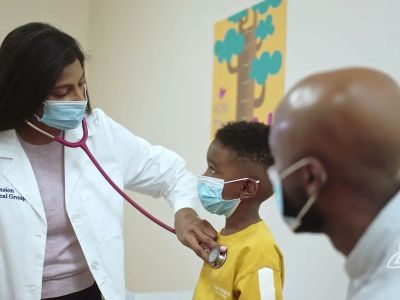
1185 County Rd 1000 W, Linton, IN 47441



New Vista North
Indianapolis, Indiana
4010 W 86th St suite d, Indianapolis, IN 46268



Boca Recovery Center - Indiana Drug and Alcohol Rehab
Huntington, Indiana
3040 W Park Dr, Huntington, IN 46750
Get Personalized Rehab Matches in 60 Seconds
Tell us a few details and we’ll show a personalized shortlist of verified Indiana rehabs, making it simple to compare options and choose your next step with confidence.



Indiana Center for Recovery - Alcohol & Drug Rehab Center Bedford
Bedford, Indiana
1600 23rd St, Bedford, IN 47421



First City Recovery Center
Kokomo, Indiana
317 W Jefferson St, Kokomo, IN, 46901

Woodview Psychology Group
Indianapolis, Indiana
70 E 91st Street Suite 210, Indianapolis, IN, 46240


Aspire Indiana Health - Anderson
Anderson, Indiana
215 West 19th St Anderson, Anderson, IN, 46016

Southern Hills Counseling Center - Rockport
Rockport, Indiana
107 North 2nd street, Rockport, IN, 47635



Brentwood Springs
Newburgh, Indiana
4488 Roslin Road, Newburgh, IN, 47630



LifeSpring Health Systems - Washington County Office
Salem, Indiana
1321 South Jackson Street, Salem, IN, 47167



LifeSpring Health Systems - Turning Point Center
Jeffersonville, Indiana
1060 Sharon Drive, Jeffersonville, IN, 47130



McArthur Counseling Center
Warsaw, Indiana
3201 E Center St Ext, Warsaw, IN 46582



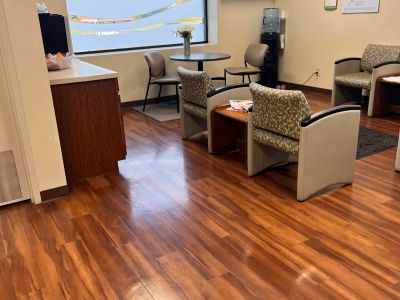
Valle Vista Health System
Greenwood, Indiana
898 East Main street, Greenwood, IN, 46143



Edgewater Health
Gary, Indiana
1110 West 6th Avenue, Gary, IN, 46402



Northeastern Center Noble County Office - Kendallville
Kendallville, Indiana
1930 East Dowling Street, Kendallville, IN 46755



Resource Treatment Center
Indianapolis, Indiana
1404 South State Avenue, Indianapolis, IN, 46203

Cummins Mental Health Center
Avon, Indiana
6655 East USHighway 36 Avon IN, 46123
Ascension Medical Group St Vincent - Kokomo Primary Care
Kokomo, Indiana
188 E Southway Blvd Kokomo, IN 46902
LifeSpring Health Systems - Dubois County Services
Jasper, Indiana
480 Eversman Drive Jasper, IN 47546
Why Trust Indiana Rehabs
As Hoosiers helping Hoosiers, we understand the unique challenges our communities face. Our team meticulously verifies every Indiana treatment center, ensuring you find trusted, local care that truly understands your journey.
About our listingsLevels of Care
Explore popular treatment options by levels of care, from flexible treatment in Outpatient centers to intensive care in Residential rehabs.
Free · 24/7 · Confidential
Talk to a Treatment Specialist
Call now to get matched with Indiana facilities that accept your insurance.
(888) 568-9930
Free
Ins. check
4.9★
Rating
HIPAA
Protected
Can't travel to a facility?
Licensed Indiana therapists via secure video — same-week appointments, evenings & weekends available.
Sometimes the weight of your emotions feels so heavy it’s almost unbearable, and the urge to find some kind of release takes over, if only for a moment’s relief. Self-harm often comes from a place of deep hurt, a silent way of trying to cope when everything else feels out of reach. If this sounds familiar, you’re not alone, and it isn’t something you have to face forever, there are gentle, effective ways to learn new coping skills and start to heal, especially with the right support by your side.

What is self-harm?
Self-harm, clinically known as nonsuicidal self-injury (NSSI), is when someone intentionally hurts their body as a way to deal with intense emotional pain. It's a physical response to overwhelming feelings that are hard to put into words. This behavior is a coping mechanism, not a mental illness in itself, but it’s a clear sign of deep emotional distress. People who self-harm are trying to find an outlet for feelings like sadness, anger, shame, or numbness. The physical pain can feel like a distraction, a way to feel something when you’re numb, or a way to turn invisible hurt into something tangible and real.
It’s crucial to understand that self-harm is different from a suicide attempt. The intent behind nonsuicidal self-injury isn't to end one's life, but to survive the emotional storm happening inside[1]. However, it's also a serious risk factor. While the goal isn't suicide, the intense pain that leads to self-harm can also lead to suicidal thoughts. The behavior itself can become more severe over time, increasing the risk of an accidental, life-threatening injury.
Self-harm is most common among adolescents, often starting between the ages of 13 and 14[2]. This is a time of immense change and emotional pressure, and for some, self-injury becomes a way to manage that stress. Understanding the behavior and the pain behind it is the first step toward finding healthier ways to manage difficult emotions and learning better emotional regulation skills.
Why People Self-Harm
The reasons behind self-harm are complex and deeply personal, but they almost always stem from an inability to cope with overwhelming emotions in a healthy way. When feelings like sadness, rage, guilt, or emptiness become too much to bear, self-injury can feel like the only way to get some relief. It's not about seeking attention; it's about trying to survive an internal crisis.
For many, self-harm serves one of these functions:
- To regulate intense emotions: The act of self-injury can provide a momentary release from emotional pain. It's a way to break through emotional numbness or, conversely, to calm down when feelings are completely out of control[2].
- To distract from emotional pain: Physical pain can be a powerful distraction from distressing thoughts or memories. It pulls focus from the internal turmoil to a tangible, physical sensation that feels more manageable.
- To feel something real: When someone feels emotionally numb or disconnected from the world, the physical pain of an injury can make them feel alive and grounded in reality.
- To punish oneself: Feelings of deep shame, guilt, or self-hatred can sometimes lead to self-punishment through physical harm.
Self-harm is often linked to underlying mental health conditions that amplify emotional distress. It frequently co-occurs with depression, anxiety disorders, eating disorders, and trauma-related conditions[3]. It's a symptom of a deeper problem, a signal that someone is hurting and needs support to find healthier ways of coping.
What Are the Signs of Self-Harm?
Recognizing the signs of self-harm can be difficult, as people often go to great lengths to hide their injuries and the emotional pain behind them. The signs can be both physical and behavioral. If you're worried about someone, paying attention to these changes can be the first step in getting them help.
Physical Signs
- Unexplained cuts, scratches, bruises, or burns, often in patterns.
- Frequent "accidents" that seem to cause injury.
- Scars, especially on arms, legs, or torso.
- Keeping sharp objects like razors, knives, or glass shards on hand.
- Bloodstains on clothing, bedding, or tissues.
Behavioral and Emotional Signs
- Wearing long sleeves or pants, even in hot weather, to hide injuries.
- Withdrawing from friends, family, and activities they once enjoyed.
- Sudden changes in mood, increased irritability, or emotional instability.
- Making statements about feeling hopeless, worthless, or overwhelmed.
- Difficulties with relationships and responsibilities at school or work.
- Signs of depression or anxiety, such as low mood, loss of interest, or constant worry.
What are the possible risks of not treating self-harm?
While self-harm is a way to cope in the short term, it comes with serious long-term risks if the underlying issues aren't addressed. The behavior can create a cycle of shame and secrecy that makes it even harder to reach out for help, and the physical and emotional consequences can become more severe over time.
Medically, the risks are significant. Wounds can become infected, leading to serious health complications. Depending on the method, there's a danger of permanent scarring, nerve damage, or accidentally causing a more severe injury than intended[4]. Psychologically, untreated self-harm can deepen feelings of guilt and isolation, worsening the very emotions that trigger the behavior. It can interfere with school, work, and relationships, making it difficult to function and connect with others.
Perhaps the greatest risk is the link to suicide. Although nonsuicidal self-injury is distinct from a suicide attempt, engaging in this behavior is a strong predictor of future suicidal thoughts and attempts[5]. The emotional pain driving the self-harm can intensify, leading to feelings of hopelessness and a greater risk of suicidal ideation. Getting treatment is essential to break the cycle and address the root causes before the behavior escalates.
How is self-harm treated?
Finding help for self-harm is about more than just stopping the behavior; it's about healing the emotional pain that causes it. Treatment focuses on understanding the root of your distress and building new, healthier coping skills to manage difficult feelings. There is no one-size-fits-all solution, but a comprehensive self harm treatment plan often involves a combination of therapy, and sometimes medication for co-occurring conditions like depression or anxiety, all supported by a strong network of family or friends.

The goal is to replace the momentary relief of self-injury with lasting strategies for emotional well-being. This journey takes courage, but with the right professional help, it is entirely possible to find a path toward healing.
Psychotherapy
Psychotherapy, or talk therapy, is the cornerstone of self-harm treatment. It provides a safe, confidential space to explore the emotions and experiences that lead to self-injury. Several therapeutic approaches have proven effective:
- dialectical behavior therapy (DBT) is often considered the gold standard for treating self-harm. It was specifically designed to help people manage intense emotions and self-destructive behaviors. DBT teaches practical skills in four key areas: mindfulness (staying present), distress tolerance (surviving crises without making them worse), emotion regulation (understanding and managing feelings), and interpersonal effectiveness (communicating needs and building healthy relationships). These skills provide concrete alternatives to self-harm when emotions feel overwhelming. Learning the techniques of dialectical behavior therapy has strong support for helping people develop healthier coping mechanisms[2].
- cognitive behavioral therapy (CBT) helps you identify the negative thought patterns and beliefs that contribute to your emotional distress. By recognizing these connections, you can learn to challenge unhelpful thoughts and change your behavioral responses, reducing the urge to self-harm.
- family therapy can be especially helpful for adolescents, as it involves loved ones in the healing process. It helps improve communication, resolve conflicts, and create a supportive home environment that promotes recovery.
What Can Parents Do to Help?
Discovering that your child is self-harming can be shocking and frightening, but your response can make a significant difference in their recovery. The goal is to approach the situation with love and concern, not anger or panic. Here are some steps you can take to help:
- Stay Calm and Communicate Openly: Try to manage your own fear and create a safe space for your child to talk. Listen without judgment and validate their pain by saying something like, "It sounds like you've been hurting so much."
- Express Your Love and Concern: Make it clear that you love them and are there to support them. Reassure them that you will get through this together as a family.
- Encourage Professional Help: Self-harm is a complex issue that requires professional support. Explain that therapy is a tool to help them learn new ways to cope with their pain, and offer to help them find a therapist who is a good fit. Seeking mental health treatment is a critical part of recovery[3].
- Create a Safe Environment: Temporarily remove or secure items that could be used for self-harm, such as razors or sharp objects. Frame this as a way to keep them safe while they learn new coping skills.
- Get Support for Yourself: Supporting a loved one through this is challenging. Consider seeking your own support through therapy or parent support groups to help you navigate this difficult time. For more guidance, explore resources for supporting family members through mental health challenges.
Taking the Next Step: Finding Self-Harm Treatment in Indiana
If you or someone you care about is struggling with self-harm, please know that immediate help is available. If you're in crisis, you can call or text the 988 Suicide & Crisis Lifeline at any time to connect with a trained counselor for free, confidential support. For ongoing care, finding the right therapist or treatment program is a crucial step toward healing.
In Indiana, resources are available to help you start this journey. The state has seen thousands of hospitalizations for self-inflicted injuries among young people, highlighting the urgent need for accessible, quality care[6]. When searching for a provider, look for professionals who specialize in treating self-harm, particularly those with experience in DBT or CBT. You can use directories to find qualified therapists and treatment centers across the state. State resources like the Indiana Division of Mental Health Addiction (DMHA) can also point you toward vetted services and information.
Reaching out is a brave and powerful act. You don't have to carry this burden alone. Healing is not about erasing the scars but about learning to live with them as a reminder of the strength it took to overcome the pain. The right support system can help you build a life where you feel in control of your emotions and hopeful about your future. If you’re ready to explore your options, our team at Indiana Rehabs is here to help you find the right path. Call us at (888) 568-9930 or contact us to connect with treatment services in Indiana today.
Frequently Asked Questions About Self-Harm Treatment in Indiana
What is the main goal of self-harm treatment?
Is self-harm a sign of suicide?
What's the difference between DBT and CBT for self-harm?
Where can I find help for self-harm in Indiana?
Does health insurance cover self-harm treatment?
Can someone be hospitalized for self-harm?
- Sheftall, A. H., & Bridge, J. A. (04-14-2024). Suicidality and Non-Suicidal Self-Injury: A Narrative Review. Preventive Medicine. pmc.ncbi.nlm.nih.gov
- Klonsky, E. D., Victor, S. E., & Sodi, I. (2014). Non-suicidal self-injury. The Canadian Journal of Psychiatry. pmc.ncbi.nlm.nih.gov
- Ruch, D. A. et al. (11-02-2023). Nonsuicidal Self-Injury in Preadolescents. Pediatrics. publications.aap.org
- Geffner, S. P. et al. (12-02-2021). Adverse clinical outcomes among youths with nonsuicidal self-injury and suicide attempts. Journal of Child Psychology and Psychiatry. acamh.onlineliibrary.wiley.com
- Vink, D. et al. (08-22-2025). Genetic and environmental aetiologies of the transition from non-suicidal self-injury to a suicide attempt. Molecular Psychiatry. nature.com
- Indiana State Department of Health. (n.d.). Indiana Youth & Young Adult Self-inflicted Injury & Suicide Data. Indiana State Department of Health. in.gov