Rehabs Serving Couples
Showing 20 of 30 Results (filtered)
Featured Rehab Centers

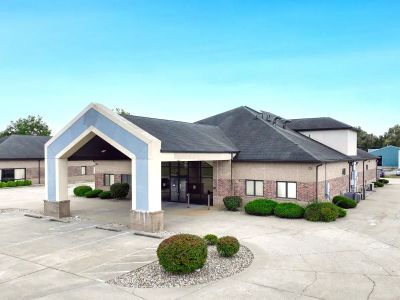
Addiction Rehab Centers - ARC at Fox Hill | Drug & Alcohol Rehab - Mooresville Indiana
Mooresville, Indiana
12168 N Mann Rd, Mooresville, IN 46158
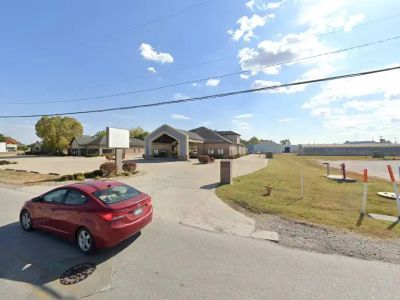
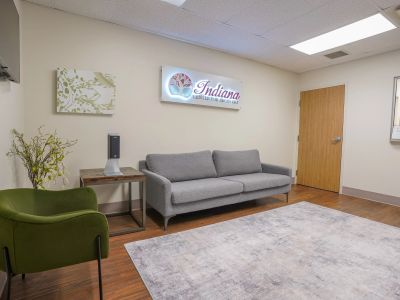
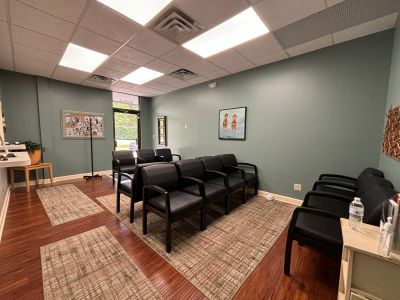
Indiana Center For Recovery- Alcohol & Drug Rehab Terre Haute
Terre Haute, Indiana
135 E Hospital Ln, Terre Haute, IN 47802
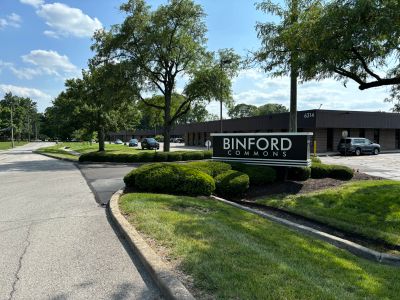
Get Personalized Rehab Matches in 60 Seconds
Tell us a few details and we’ll show a personalized shortlist of verified Indiana rehabs, making it simple to compare options and choose your next step with confidence.
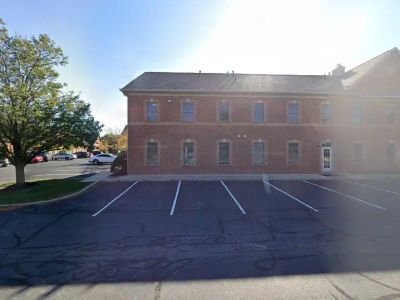


JRNY Counseling LP
Carmel, Indiana
708 Adams St suite 209, Carmel, IN 46032
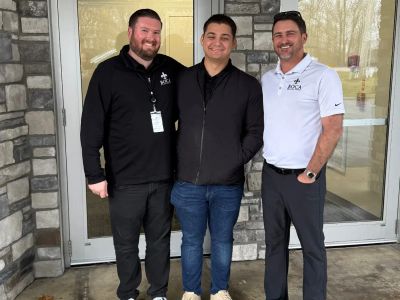
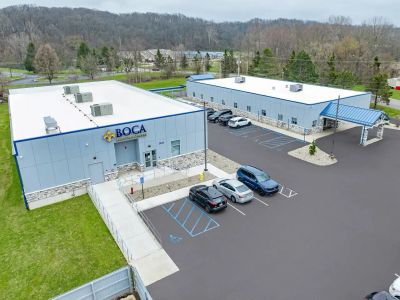

Boca Recovery Center - Indiana Drug and Alcohol Rehab
Huntington, Indiana
3040 W Park Dr, Huntington, IN 46750
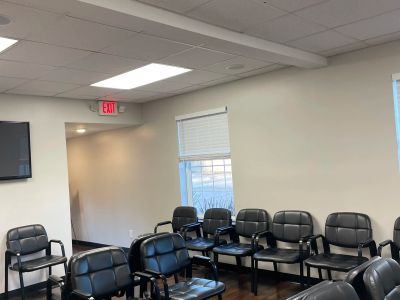
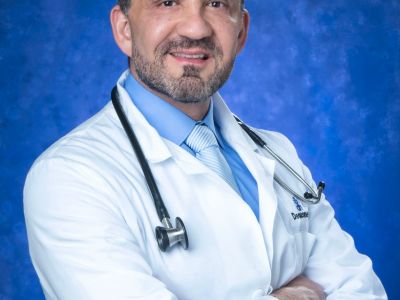
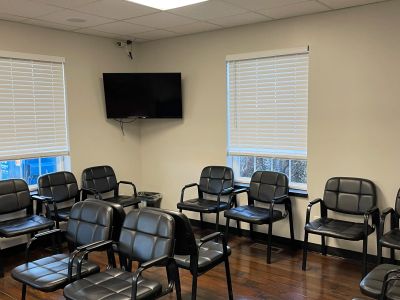
Dr. Malek’s Office – Primary Care, Senior Care & Mental Health
Evansville, Indiana
4972 Lincoln Ave #101, Evansville, IN 47715


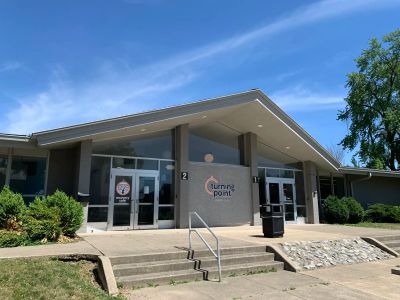
Turning Point SOC
Kokomo, Indiana
1234 N Courtland Ave, Kokomo, IN 46901

The Way of Rockport Indiana
Rockport, Indiana
317 Main Street, Rockport, IN, 47635

Griffin and Associates, LLC
Terre Haute, Indiana
2901 Ohio Blvd Suite 116-8, Terre Haute, IN 47803


Fresh Start Counseling Services - Merrillville
Merrillville, Indiana
3490 West 81st Avenue, Merrillville, IN 46410

Northside Mental Health
Indianapolis, Indiana
6507 Ferguson St #201, Indianapolis, IN 46220
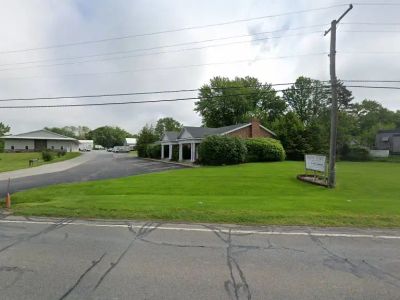

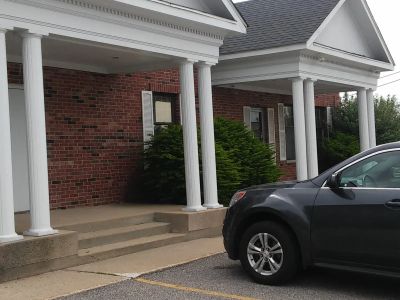
Fresh Start Counseling Services - Valparaiso
Valparaiso, Indiana
1552 West Lincoln Way, Valparaiso, IN 46385
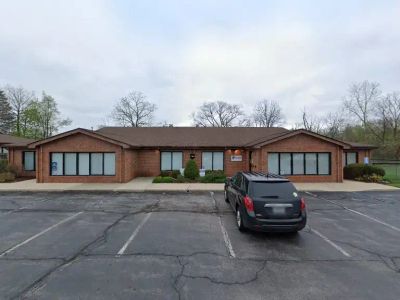
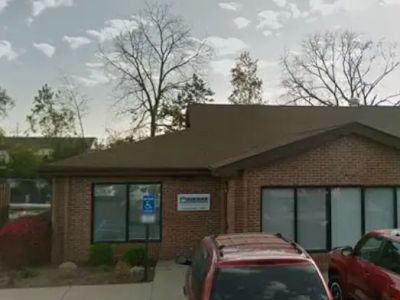
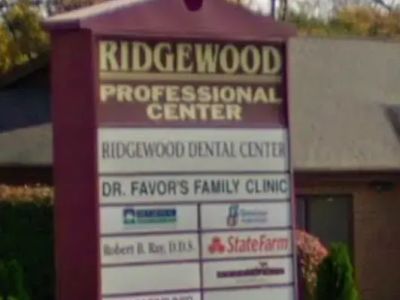
Regional Mental Health Center - Hobart
Hobart, Indiana
7783 East Ridge Road, Hobart, IN, 46342
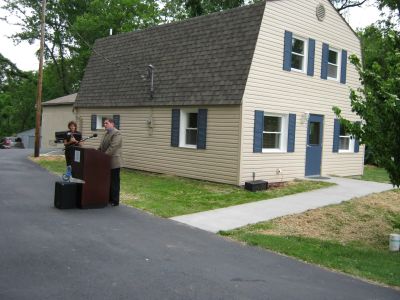
Personal Counseling Services
Clarksville, Indiana
1205 Applegate Ln, Clarksville, IN 47129

Regional Mental Health Center - Strawhun Center
Merrillville, Indiana
8555 Taft Street, Merrillville, IN 46410
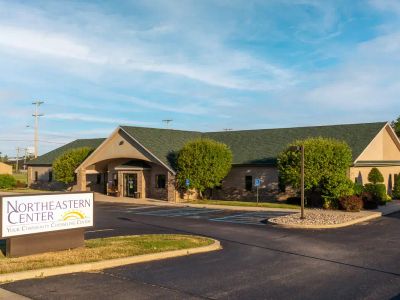


Northeastern Center Noble County Office - Kendallville
Kendallville, Indiana
1930 East Dowling Street, Kendallville, IN 46755
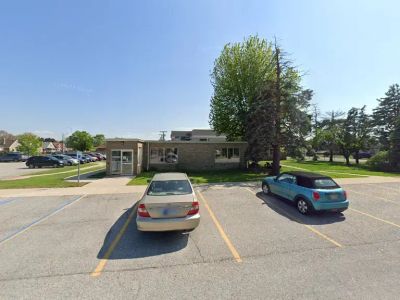

Regional Mental Health Center - 5900 Hohman Avenue
Hammond, Indiana
5900 Hohman Avenue, Hammond, IN, 46320

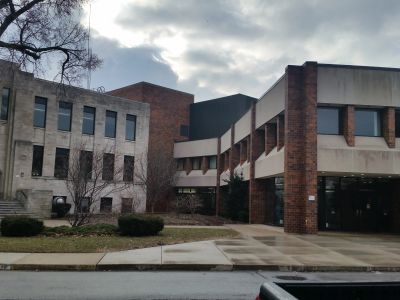
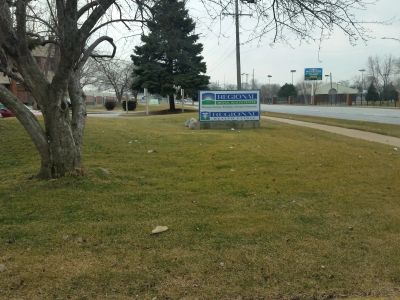
Regional Mental Health Center - Stark Center
East Chicago, Indiana
3903 Indianapolis Boulevard, East Chicago, IN 46312

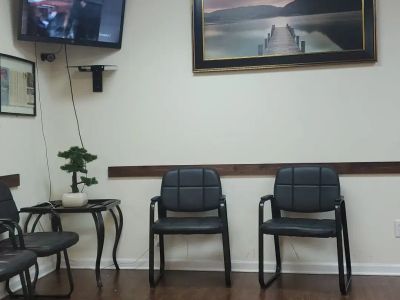
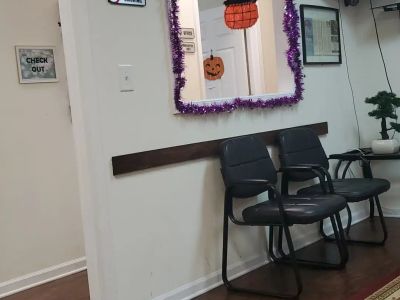
Mid-America Pscyhological & Counseling Services
Merrillville, Indiana
8300 South Broadway Suite F-1, Merrillville, IN 46410
Why Trust Indiana Rehabs
As Hoosiers helping Hoosiers, we understand the unique challenges our communities face. Our team meticulously verifies every Indiana treatment center, ensuring you find trusted, local care that truly understands your journey.
About our listingsLevels of Care
Explore popular treatment options by levels of care, from flexible treatment in Outpatient centers to intensive care in Residential rehabs.
Free · 24/7 · Confidential
Talk to a Treatment Specialist
Call now to get matched with Indiana facilities that accept your insurance.
(888) 568-9930
Free
Ins. check
4.9★
Rating
HIPAA
Protected
Can't travel to a facility?
Licensed Indiana therapists via secure video — same-week appointments, evenings & weekends available.
Trying to rebuild a bridge from opposite sides during a storm—that’s what facing addiction as a couple can feel like. The distance grows, misunderstandings pile up, and sometimes it seems impossible to reach one another through the noise and hurt. But just as storms can pass, healing together is not only possible but can bring you closer than before. With the right support, taking those first steps side by side can help lay down a stronger, more hopeful foundation for your future.
What Is a Drug and Alcohol Rehab Program for Couples?
A couples rehab program is a specialized form of addiction treatment where both partners enter rehab together to work on their sobriety and their relationship at the same time. The answer to the common question, "Can couples go to drug and alcohol rehab together?" is a clear yes. Many facilities in Indiana offer specific programs designed for partners facing the challenges of substance use.
The structure of this treatment is designed to heal both the individual and the partnership. It’s a blend of different therapeutic approaches. You and your partner will participate in individual counseling to focus on your personal triggers and recovery goals. You’ll also attend group therapy sessions with others to build a supportive community. Most importantly, you will engage in joint couples therapy sessions. These are dedicated to rebuilding the relationship by improving communication, re-establishing trust, and learning how to support each other’s sobriety. This type of care acknowledges that addiction impacts the entire family dynamic and aims to heal it from the ground up.
How Addiction Impacts Relationships

When addiction enters a relationship, it often brings a host of painful challenges that can leave both partners feeling isolated and overwhelmed. It’s a difficult cycle that doesn’t just affect the person using substances; it reshapes the entire dynamic of the partnership. In Indiana, the strain of substance use on families is a significant concern, affecting household stability and emotional well-being[1]. If you’re experiencing this, please know you’re not alone.
The impact of addiction on a relationship often includes:
- Breakdown of trust: Addiction is often accompanied by dishonesty and broken promises, which steadily erodes the trust that forms the foundation of a healthy partnership.
- Financial strain: The cost of drugs or alcohol, combined with potential job loss or legal troubles, can create immense financial pressure and conflict.
- Poor communication: Meaningful conversation is often replaced by arguments, blame, or avoidance. It becomes difficult to talk about anything other than the addiction itself.
- Enabling behaviors and codependency: Sometimes, one partner may unintentionally enable the other’s substance use by making excuses or shielding them from consequences. This can lead to an unhealthy codependency where both partners’ well-being is tangled in the cycle of addiction.
- Emotional distance: The focus on the substance can push everything else aside, creating a deep emotional gap between partners who once felt close.
Are Addiction Treatment Programs for Couples Beneficial?
Yes, addiction treatment programs designed for couples can be incredibly beneficial. When both partners commit to the recovery process together, they create a powerful support system that can significantly improve their chances of long-term sobriety. Instead of one person going through treatment alone and returning to a home environment that may not have changed, couples rehab helps rebuild a healthier foundation for the relationship itself.
The benefits of attending treatment as a couple are clear and focus on creating a shared path to healing. With a significant number of Indiana residents facing substance use disorder, having effective treatment options is crucial[2]. Here are some of the main advantages:
- Shared motivation and support: Going through recovery with your partner means you have a built-in support system. You can motivate each other during tough moments and celebrate successes together.
- Learning to communicate effectively: Therapy sessions teach couples new, healthier ways to talk to one another, resolve conflicts without anger, and express their needs constructively.
- Rebuilding trust in a safe environment: With the guidance of a therapist, you can begin to address past hurts and work on rebuilding the trust that addiction has damaged.
- Addressing shared triggers: Couples learn to identify and manage the unique triggers within their relationship and home environment that might lead to relapse.
- Creating a unified plan for long-term recovery: Treatment provides the tools to build a shared future centered on sobriety, with mutual goals and accountability.
What to Expect in Drug and Alcohol Rehabilitation for Couples
When you and your partner decide to enter a drug and alcohol rehabilitation program, the journey begins with a thorough assessment. This initial step is crucial for creating tailored treatment plans that address not only your individual needs but also your goals as a couple. From there, you will move through different stages of care designed to provide comprehensive support. The path to recovery is structured to help you detox safely, engage in intensive therapy, and build the skills needed for a sober future together. Finding the right programs can feel overwhelming, but resources like SAMHSA's FindTreatment.gov can help you locate nearby facilities. You can also explore the different levels of care available in Indiana to understand all your options.
Medical Detox Facilities for Couples
The first step for many is medical detox. This process is designed to help you manage withdrawal symptoms safely under the care of medical professionals. The main priority during detox is your health and safety. Facility policies on accommodations can vary; some may allow couples to go through detox in the same wing or nearby rooms, while others may require separate spaces to ensure each person receives focused medical attention. The staff will make sure you are as comfortable as possible while your body clears itself of substances.
Inpatient and Outpatient Addiction Treatment Programs for Couples
After detox, you’ll transition into a treatment program. You generally have two main options: inpatient or outpatient rehab. Inpatient, or residential care, provides a highly structured, 24/7 environment where you live at the facility. This is often best for couples who need intensive support and a break from outside triggers. While policies differ on whether married couples can stay in the same room, the focus is always on creating a therapeutic and recovery-focused setting. In contrast, outpatient rehab offers more flexibility, allowing you and your partner to live at home while attending scheduled therapy sessions. This can be a great option for couples with jobs or family commitments.
Evidence-Based Couples Therapy Modalities
The core of any good couples rehab program is therapy based on proven, research-backed methods. These are known as "evidence-based" therapies. One of the most common and effective modalities is Behavioral Couples Therapy (BCT)[3]. BCT focuses on improving the relationship by encouraging abstinence through positive reinforcement and teaching better communication skills. The therapist helps you and your partner create a "recovery contract" to support each other’s sobriety. Other approaches, like Emotion-Focused Therapy (EFT), may also be used to help you reconnect on a deeper emotional level.
When are Treatment Programs for Couples Not Helpful?
While couples rehab can be a powerful tool for healing, it’s not the right choice for every situation. The safety and well-being of each partner must always come first. The most significant reason to avoid couples treatment is the presence of domestic violence. If there is an active or recent history of physical, emotional, or sexual abuse, entering therapy together can be unsafe and counterproductive. In these cases, the focus must be on individual safety and treatment.
Couples rehab may also be less helpful if one partner is being coerced or is not genuinely committed to recovery. True healing requires both people to be willing participants. Additionally, if one partner is dealing with a severe mental health condition that requires intensive, individual focus, it may be best for each person to attend separate programs first. The goal is to build a foundation of stability and safety. Once that is established, you can transition to outpatient couples therapy to work on the relationship. The priority is ensuring everyone has access to safe and appropriate care for domestic abuse and addiction.
Does Health Insurance Cover Addiction Treatment Programs for Couples?
Yes, health insurance plans generally cover addiction treatment, but the specifics for couples programs can be a bit more complex. Since treatment is billed for each individual, coverage will depend on the separate insurance plans of each partner. You will likely need to verify your benefits individually to understand what is covered. Most insurance providers, including Indiana Medicaid, offer coverage for essential services like detox, therapy, and residential care[4].
The best way to figure out your payment options is to call the admissions team at a treatment center you’re considering. They can help you navigate the process and explain your coverage in clear, simple terms. You can also contact your insurance provider directly. Our team is here to help you understand your insurance coverage for rehab and find a program that fits your needs.
Overcoming Addiction Together

Choosing to face addiction and heal together is one of the most powerful decisions a couple can make. The recovery journey is not a quick fix but a long-term commitment to a new way of life. It’s about more than just stopping substance use; it’s about rebuilding your lives, your trust, and your future, side by side. Continuing care after treatment is essential for maintaining sobriety and navigating the challenges that will arise.
Staying connected to support through aftercare programs and ongoing therapy helps reinforce the skills you learned in rehab. Research shows that it can take years before the risk of relapse significantly drops, which underscores the importance of a strong, ongoing commitment to recovery[5]. By supporting one another and staying engaged with your aftercare plan, you can build a lasting foundation for a healthier, happier future together.
Taking that first step is often the hardest part, but you don’t have to do it alone. The path to recovery is paved with hope, and healing as a couple can transform your relationship into a source of strength. If you and your partner are ready to start a new chapter, we’re here to help you find the right path forward. You can call us at (888) 568-9930 to speak with a caring specialist, or contact us to explore your options. At Indiana Rehabs, we believe in the power of healing together.
- Richard M. Fairbanks School of Public Health. (2020). Substance Misuse in Indiana. Indiana University. fsph.iupui.edu
- Substance Abuse and Mental Health Services Administration. (2021). Behavioral Health Barometer: Indiana, Volume 6. U.S. Department of Health and Human Services. samhsa.gov
- O'Donohue, W. T., Fortner, M., & Soto, C. (2023). Evidence-based Treatment for Substance Use Disorders in Community Settings: A Train-the-Trainer Approach. International Journal of Mental Health and Addiction. pmc.ncbi.nlm.nih.gov
- Indiana Family and Social Services Administration. (n.d.). Substance Use Disorder (SUD)/Serious Mental Illness (SMI) Treatment. State of Indiana. in.gov
- Division of Mental Health and Addiction. (2020). 2020 Indiana State Epidemiological Profile. Indiana Family and Social Services Administration. in.gov